Gopchang 곱창
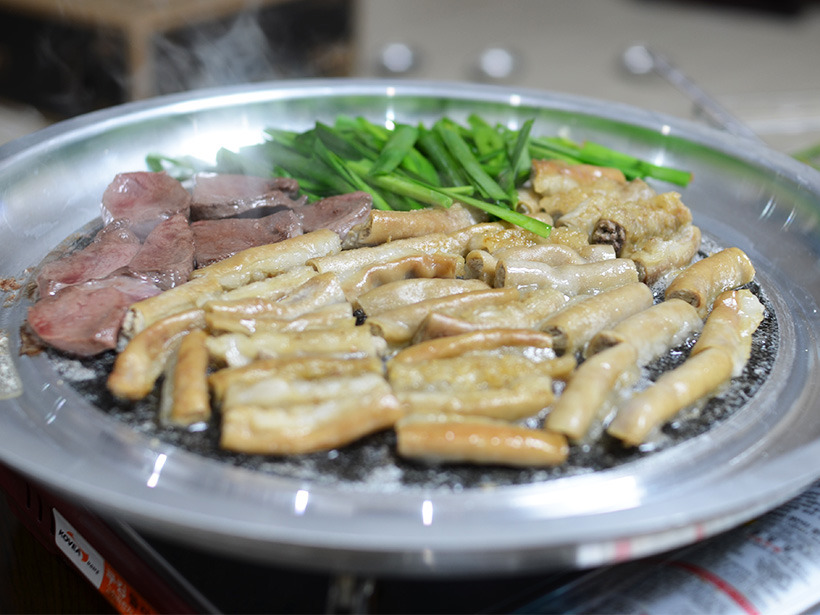
Gopchang (곱창) are small intestines, and the Korea Food Promotion Institute says gopchang means the small intestine of a cow. Menus also use the name for pig's intestines. In the past it was an inexpensive dish for ordinary people who could not afford to eat beef. These days it has become an expensive delicacy.
In Seoul, gopchang is easy to find in restaurant areas and alleys built around it. Wangsimni has a gopchang alley with many shops side by side, and the Jung-gu office lists Hwanghak-dong Gopchang Alley, a short walk from Sindang Station. Both are near the Majang-dong livestock market, and for Wangsimni, Seoul City explains that the slaughterhouses next door made the innards easy to get.
The same word covers several dishes, so it helps to know the main ones before you order.
Kinds of gopchang
Gopchang-gui 곱창구이
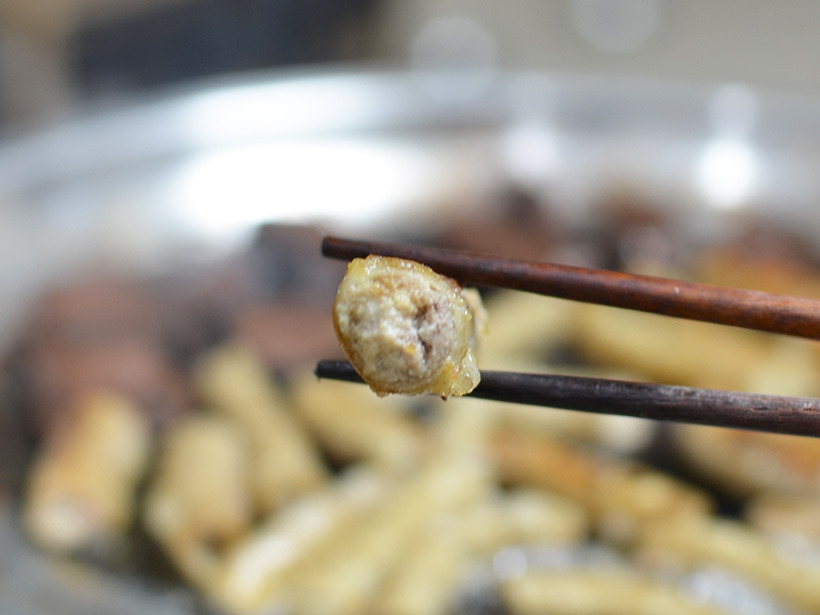
Gui (구이) means grilled. Gopchang-gui is beef innards that are either marinated and grilled, or simply grilled and served with a seasoned dipping sauce. The Korea Food Promotion Institute says the cooking is mostly done on a stone plate.
Gopchang-bokkeum 곱창볶음
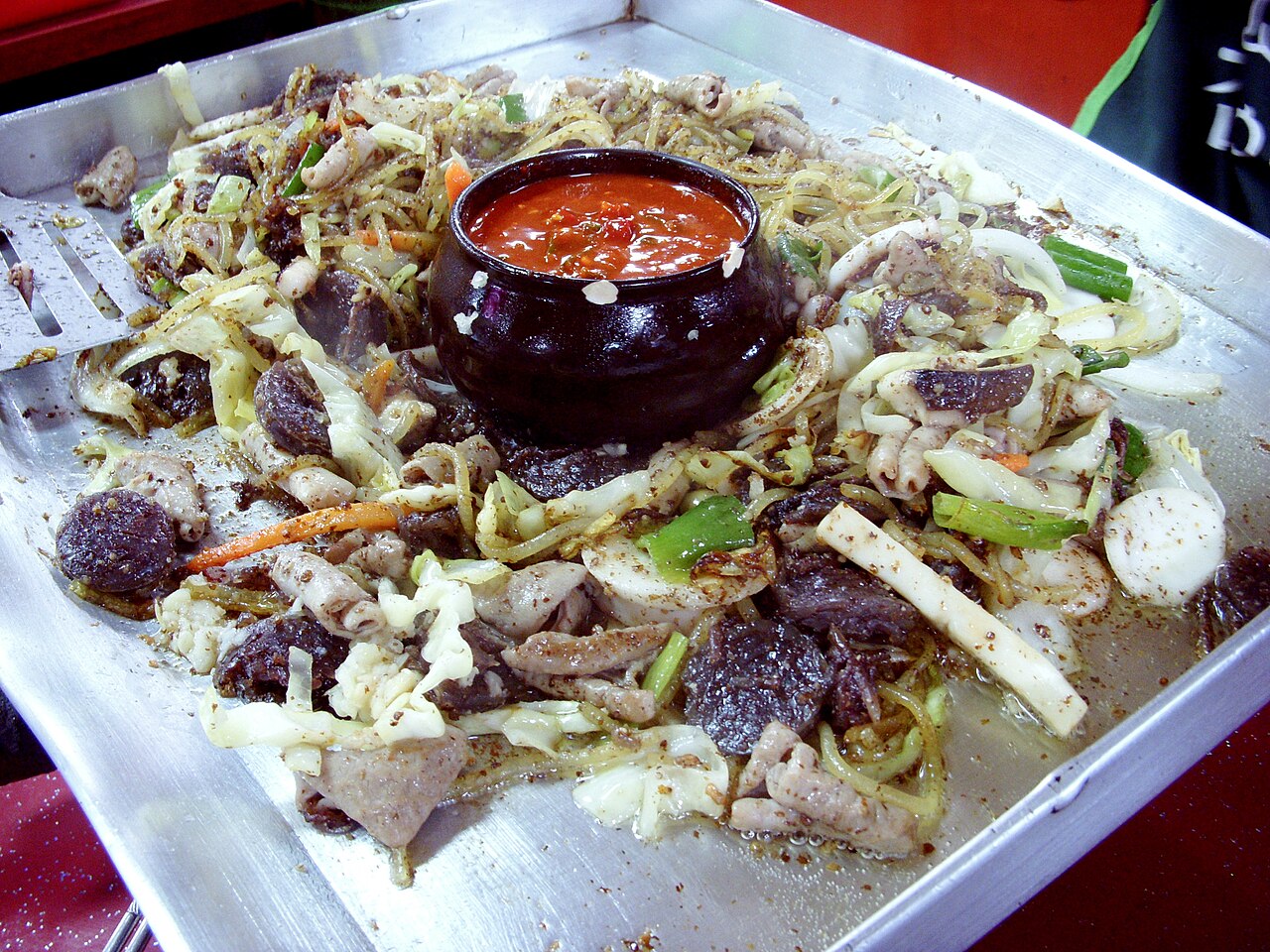
Bokkeum (볶음) means stir-fried. This is a spicy dish of cow's or pig's intestines stir-fried with cabbage, onion, perilla leaves and green onion. Rice cake, sundae (순대, blood sausage) and glass noodles can be added to the pan if you like.
Gopchang-jeongol 곱창전골
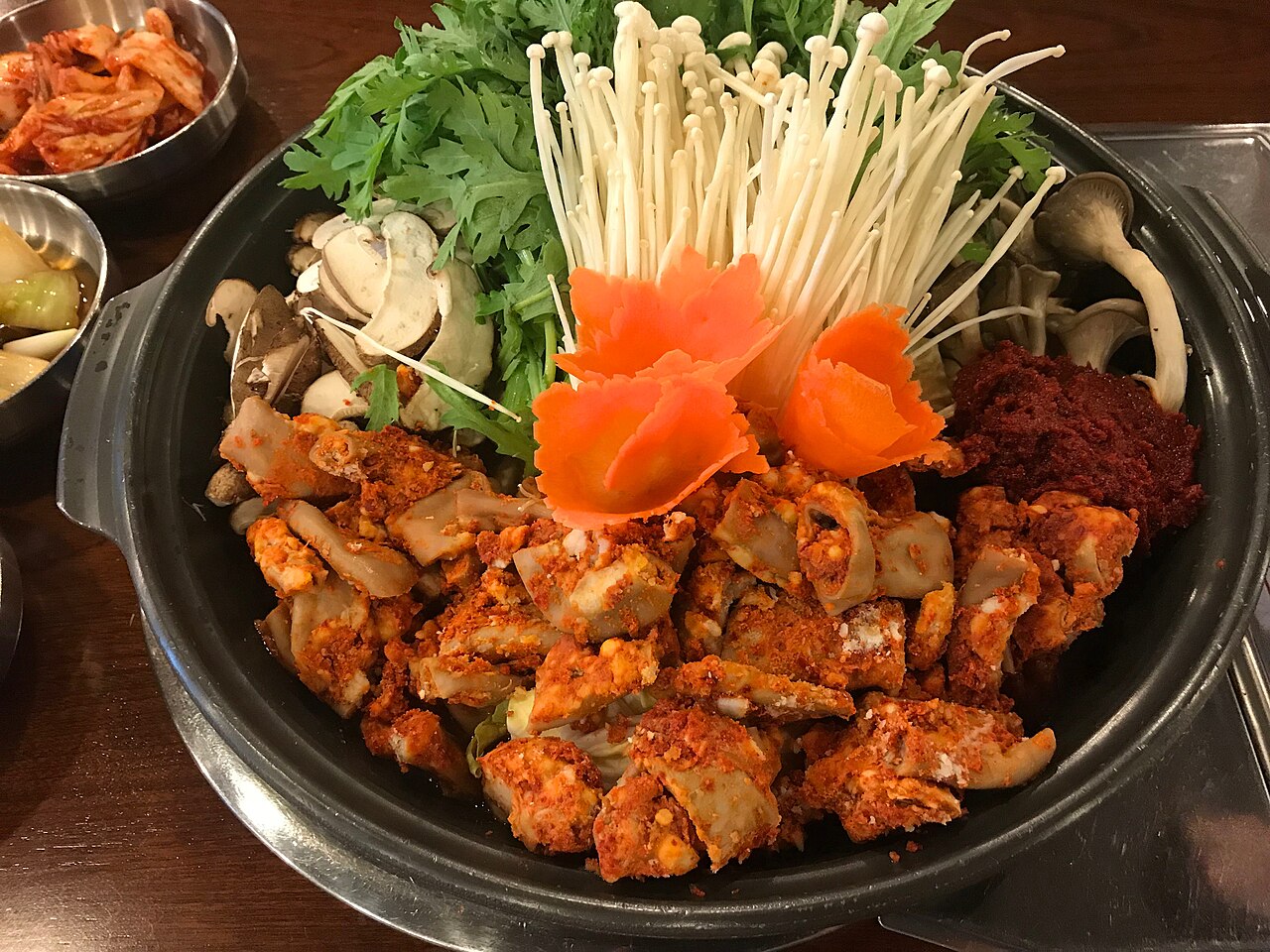
Jeongol (전골) is a hot pot. Gopchang-jeongol is beef or pork innards, seasoned and cooked in a spicy broth with sliced carrots, onion, crown daisy and other fragrant vegetables. VISITKOREA lists it as a popular choice in the winter months.
Daechang-gui 대창구이
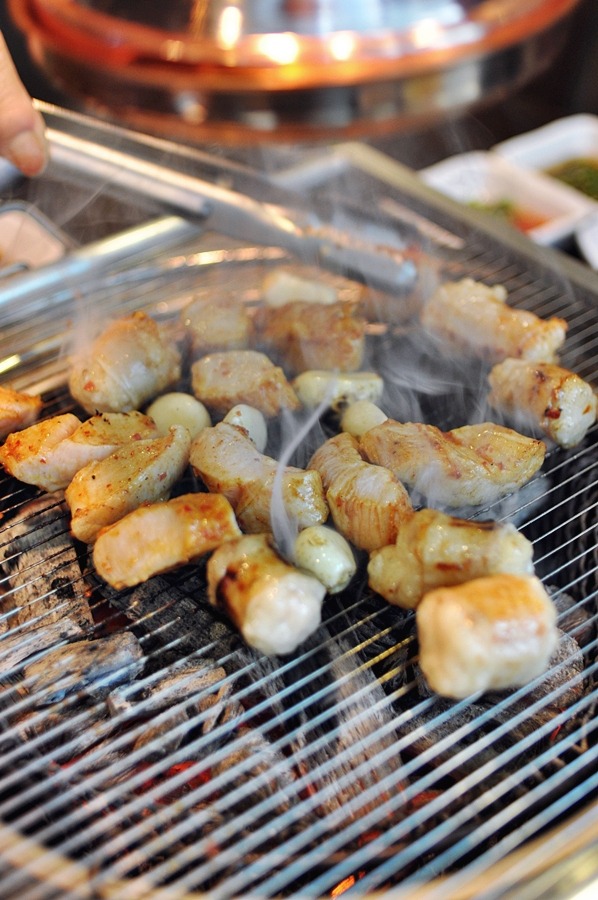
Daechang (대창) is the large intestine of a cow, so it is a different cut from gopchang, which is the small intestine. It is turned inside out and cleaned with flour, then grilled as it is or marinated first. The result is tasty and chewy. VISITKOREA describes it as charcoal-grilled, with a springy texture.
How to eat and order
Order by the dish name and the animal, for example beef or pork gopchang-gui, because gopchang-bokkeum and gopchang-jeongol are made with either cow's or pig's intestines. Gopchang-gui comes with a seasoned dipping sauce.
Daechang is the large intestine and gopchang the small intestine, so if the menu lists both, ask which is which. For a first try, pick the stir-fried or hot pot version: both come with vegetables such as cabbage, onion and crown daisy. The stir-fry can have rice cake, sundae or glass noodles added.
If you want to make a trip of it, go to a gopchang alley. Hwanghak-dong Gopchang Alley is about 300 m on foot from Sindang Station exit 2, through Jungang Market, according to the Jung-gu office.
Where to find it
Restaurants on Seoul's official lists (Seoul Future Heritage, Centennial Store, Model Restaurant), one near each area, reviewed 16 Oct 2026. The type is our label; check the menu before you go.
- 겸상 Gopchang, 2 min walk from Apgujeong Rodeo Street. Model Restaurant (Seoul) · Google Maps
- 대가곱창 Gopchang, 13 min walk from Changdeokgung Palace & Jongmyo Shrine. Model Restaurant (Seoul) · Google Maps
Checked 6 Nov 2026.
More Korean dishes
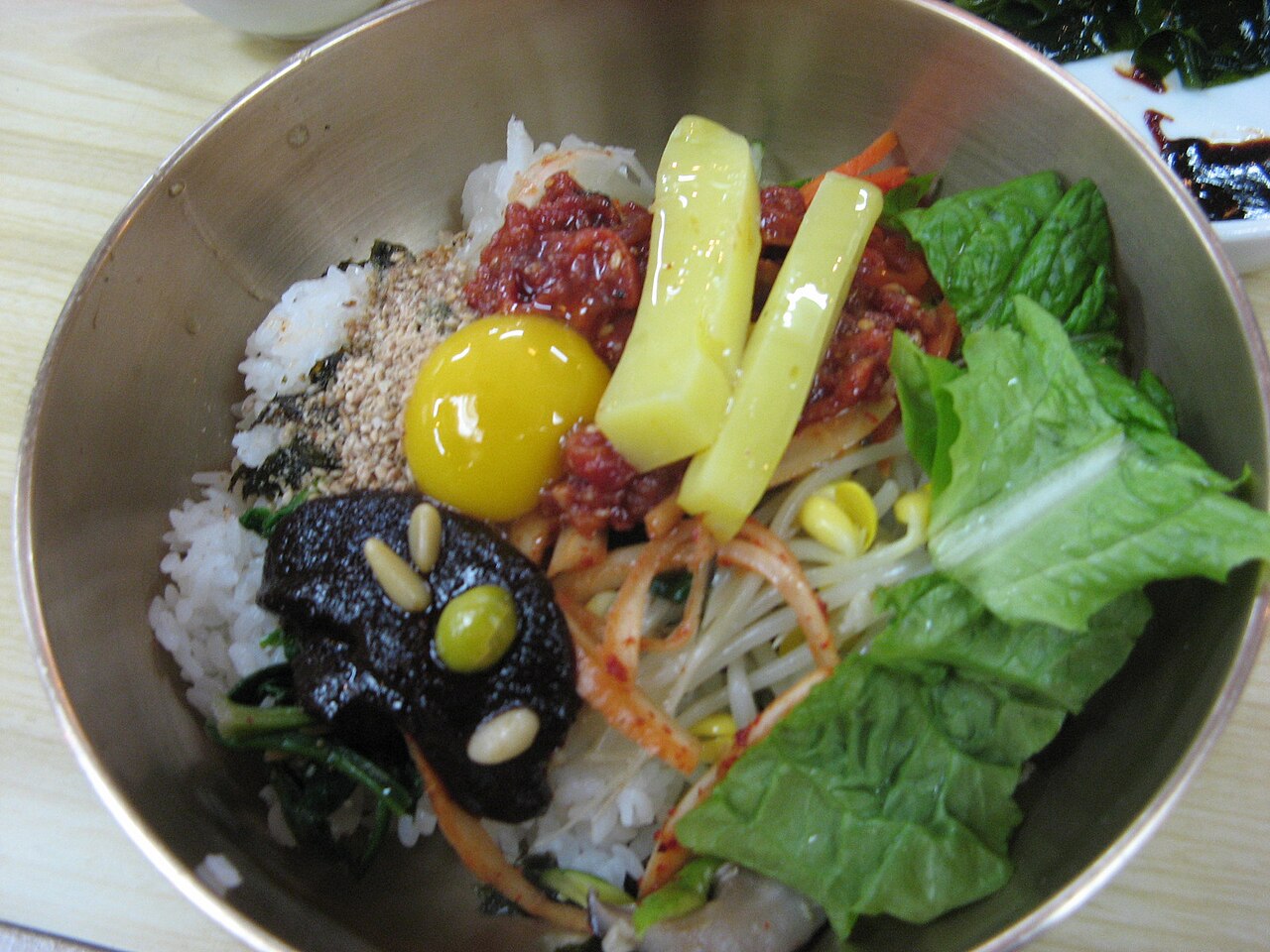
Bibimbap 비빔밥
Bibimbap is rice topped with seasoned vegetables and meat, mixed with gochujang.
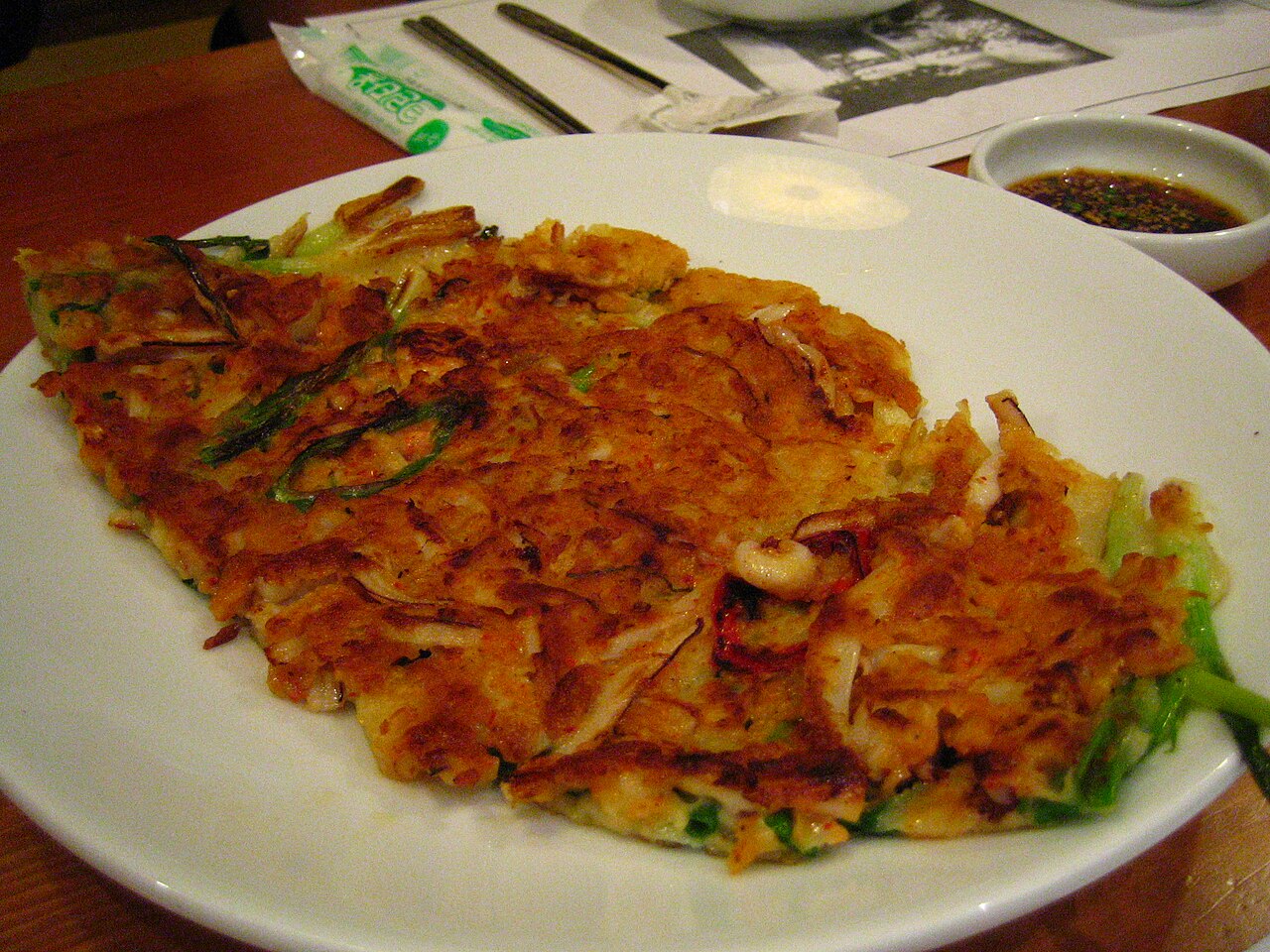
Bindaetteok 빈대떡
Bindaetteok is Korea's mung bean pancake, and jeon are pan-fried savory pancakes.
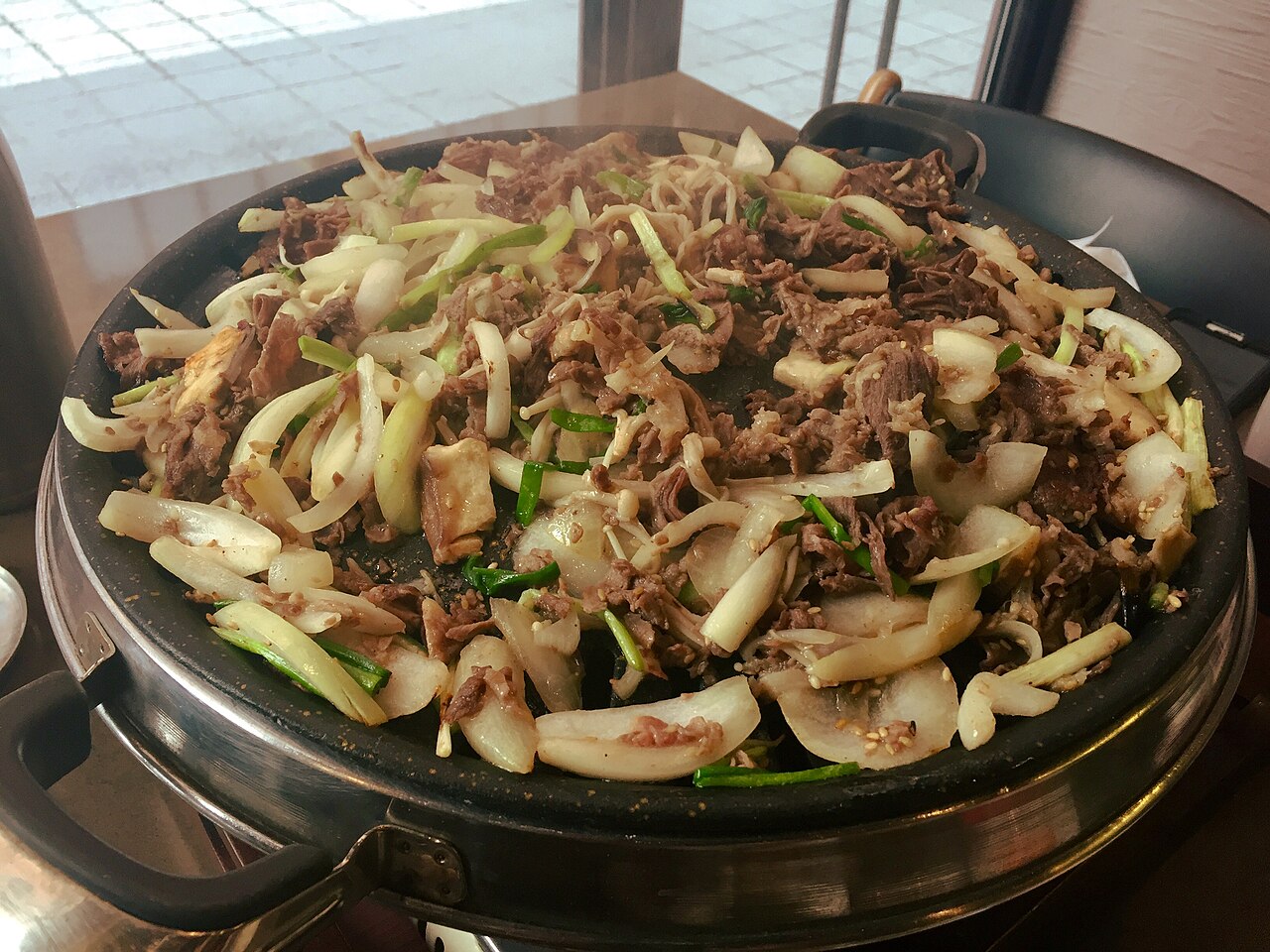
Bulgogi 불고기
Bulgogi is Korean marinated beef, grilled or simmered.
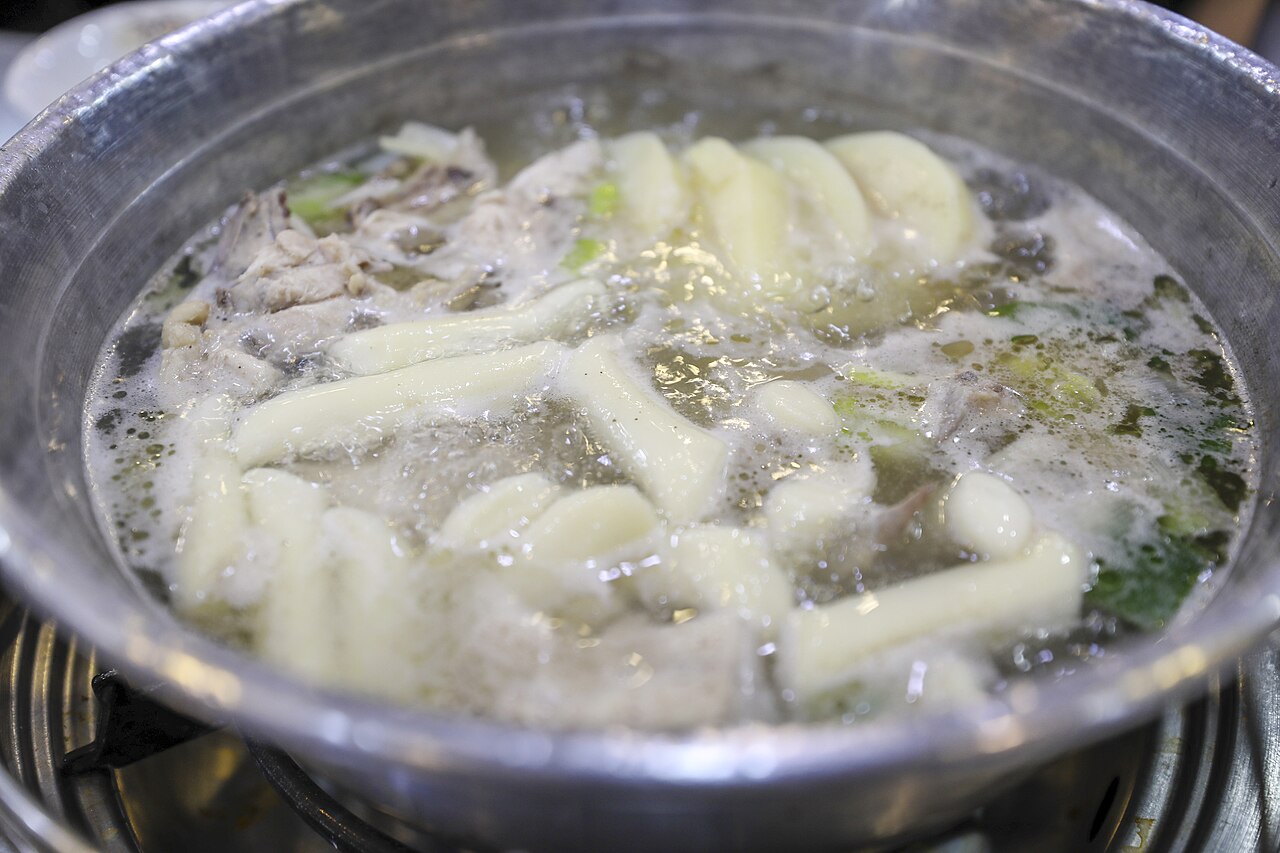
Dakhanmari 닭한마리
Dakhanmari is a whole chicken cooked at your table in a large pot, then finished with noodles.
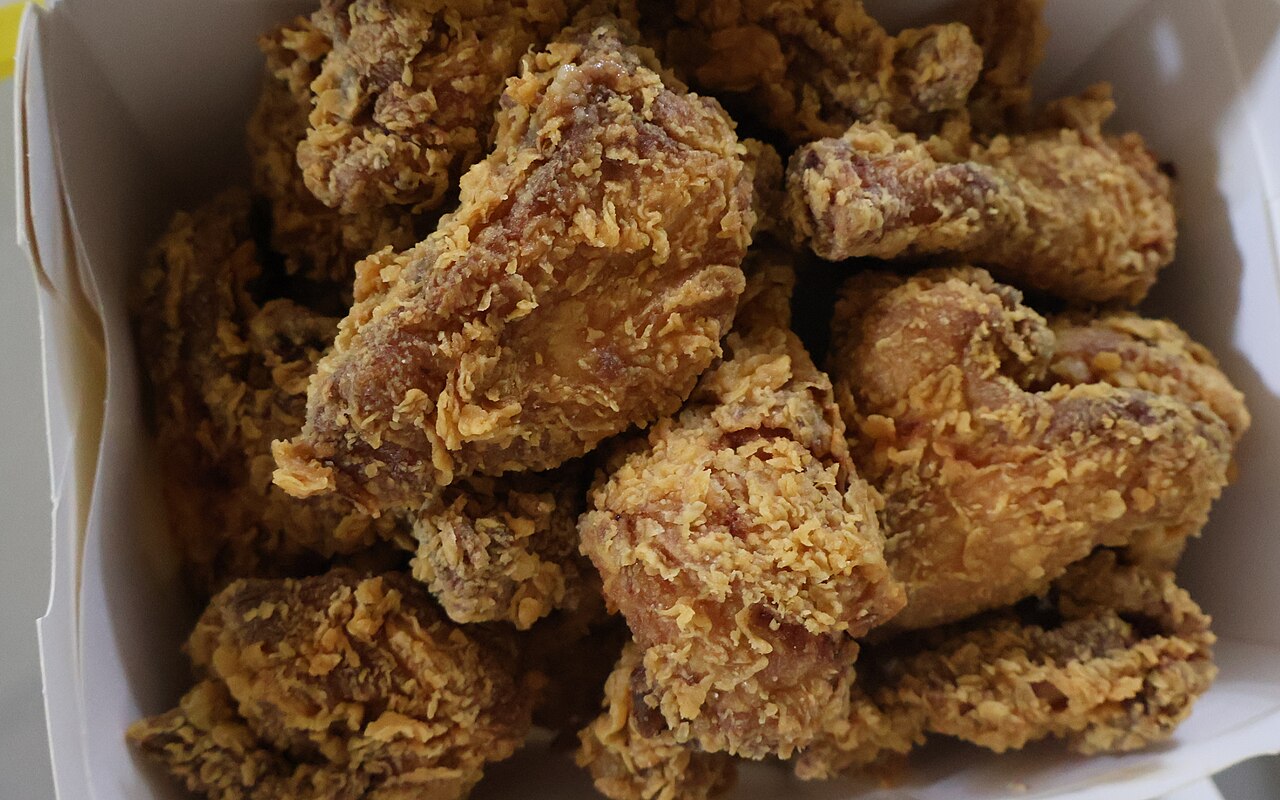
Korean fried chicken 치킨
Korean fried chicken (chikin, 치킨) is crunchy and comes in many flavors.
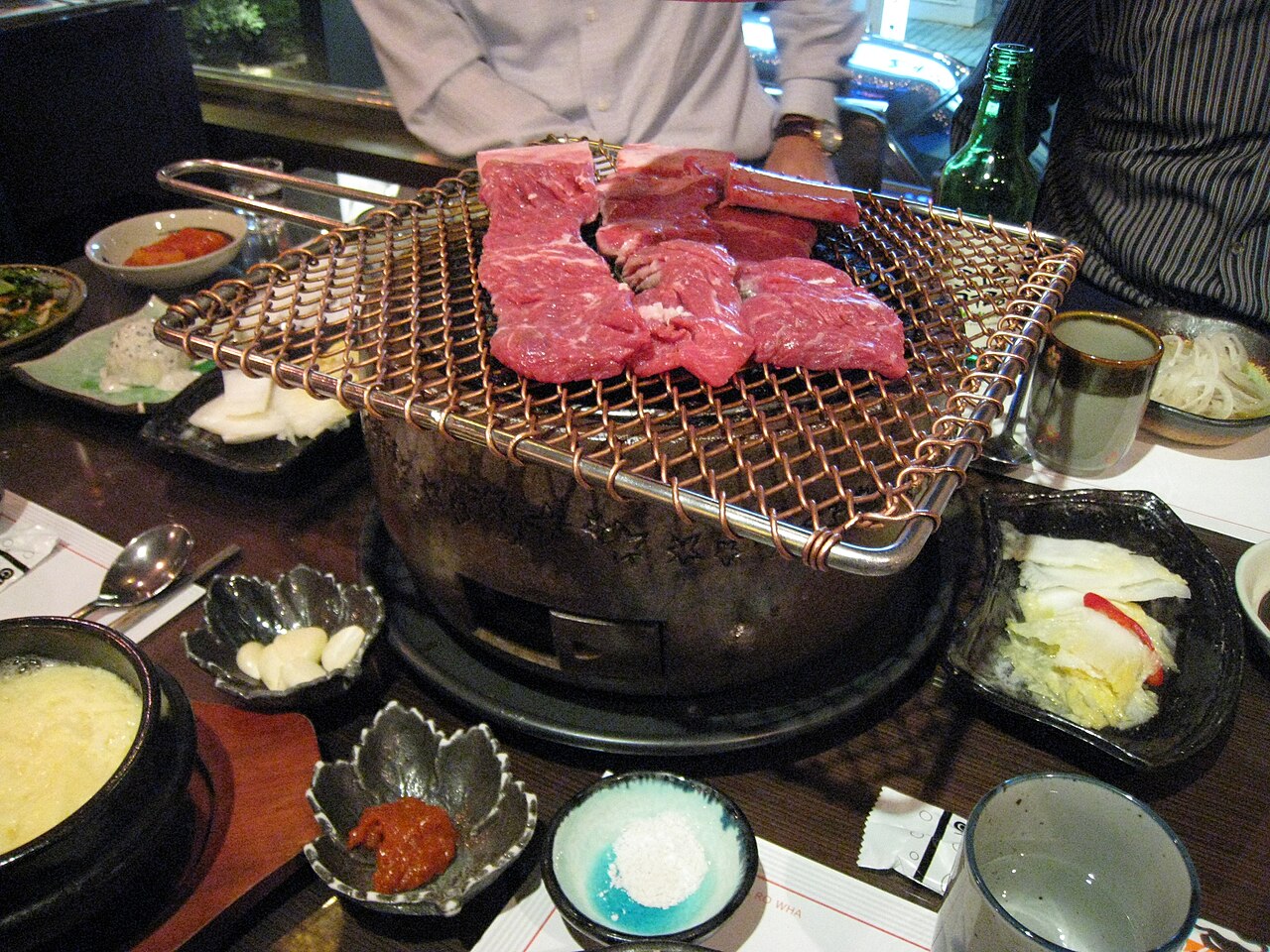
Galbi 갈비
Galbi is Korea's grilled rib barbecue.
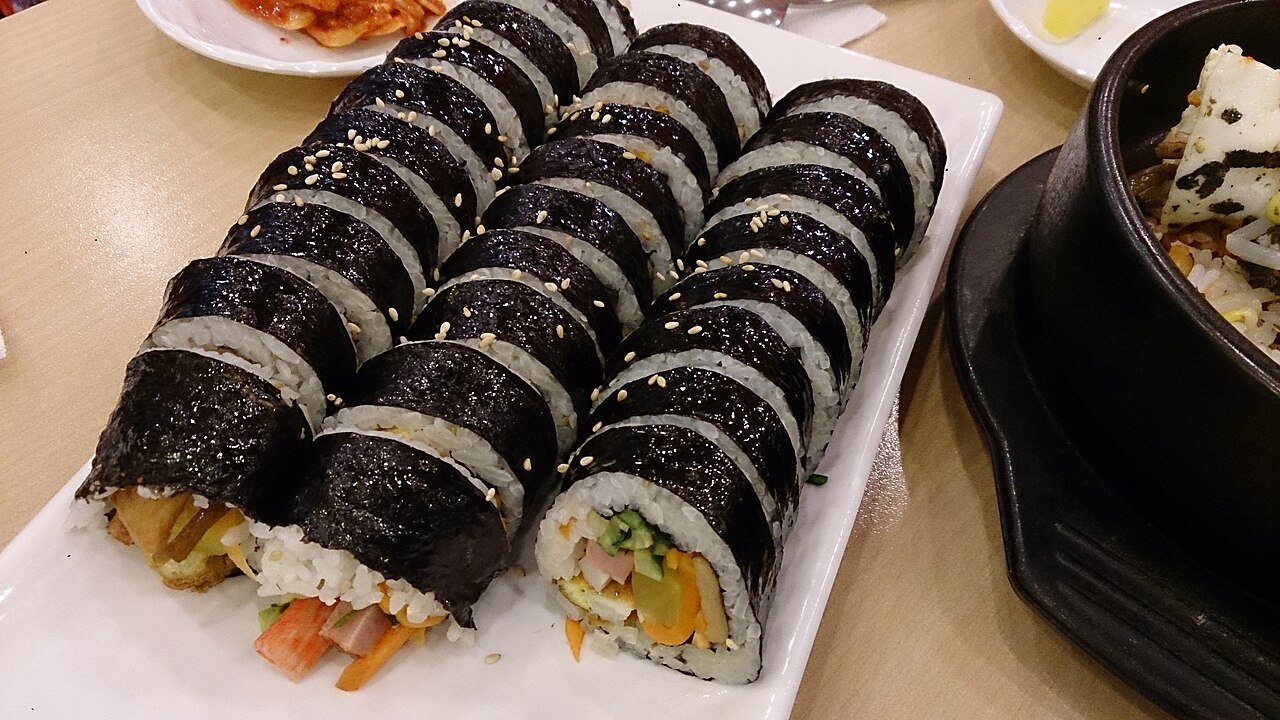
Gimbap 김밥
Gimbap is Korea's seaweed rice roll, sliced into bite-sized pieces.
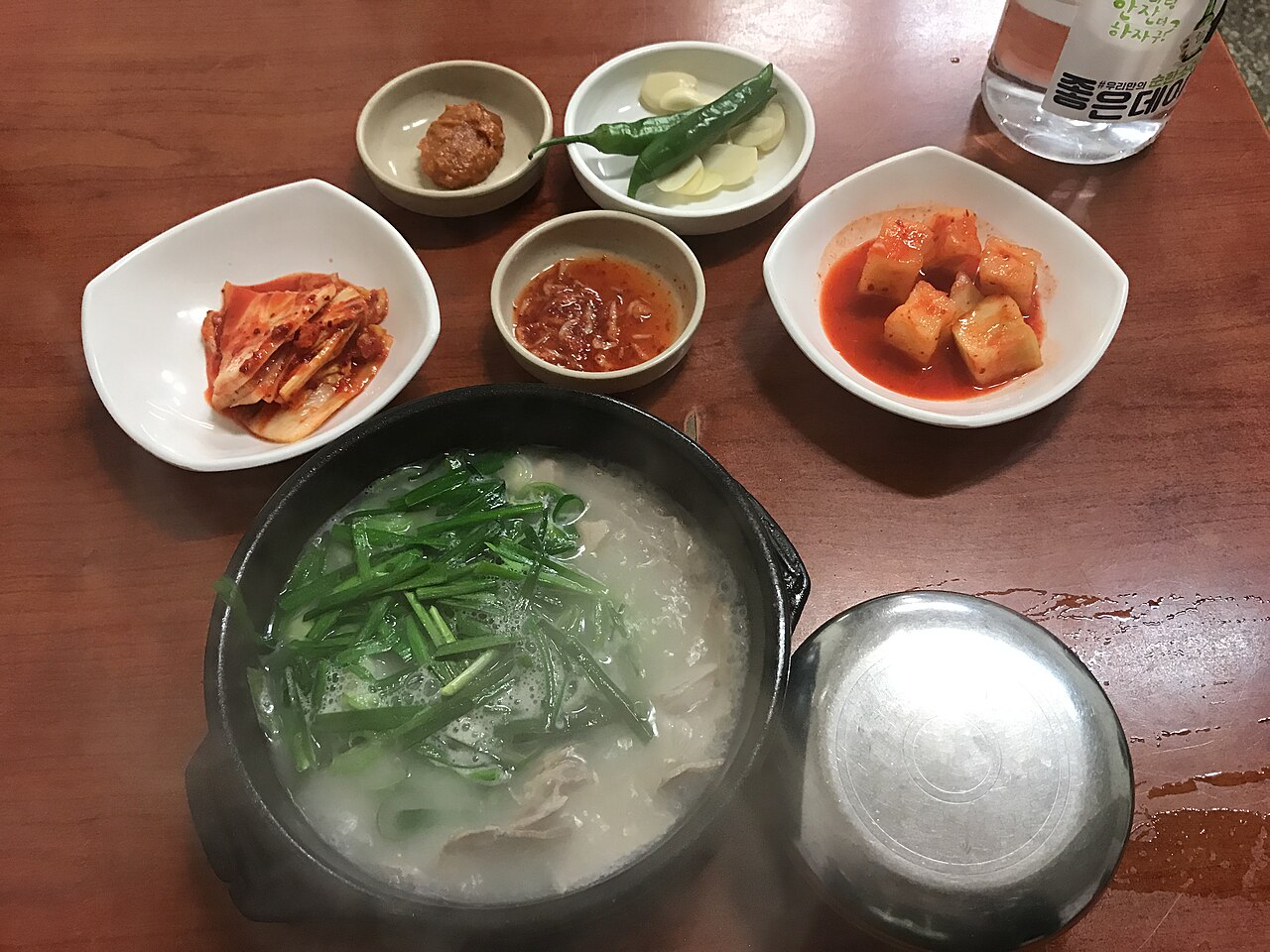
Gukbap 국밥
Gukbap is Korea's hot soup-and-rice meal.
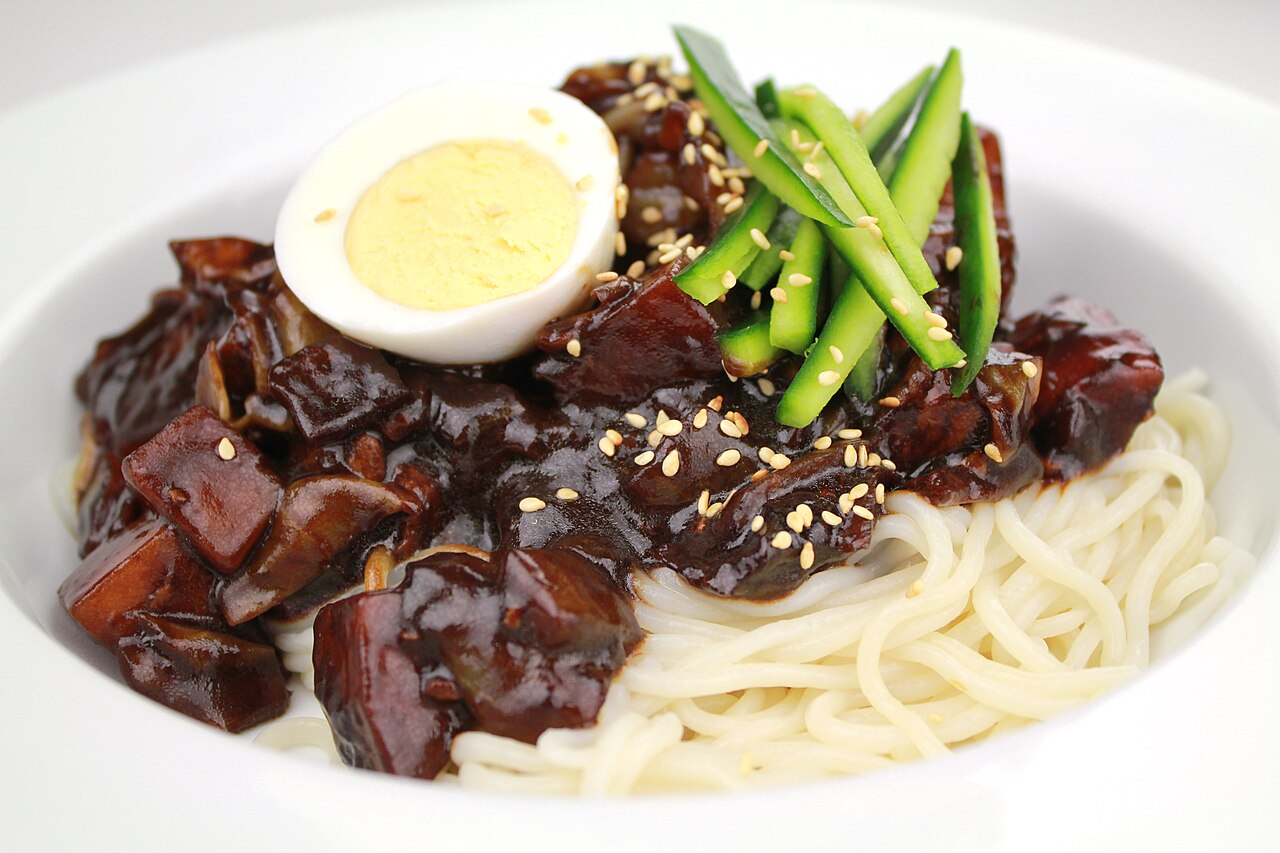
Jajangmyeon 짜장면
Jajangmyeon is Korea's black bean sauce noodles.
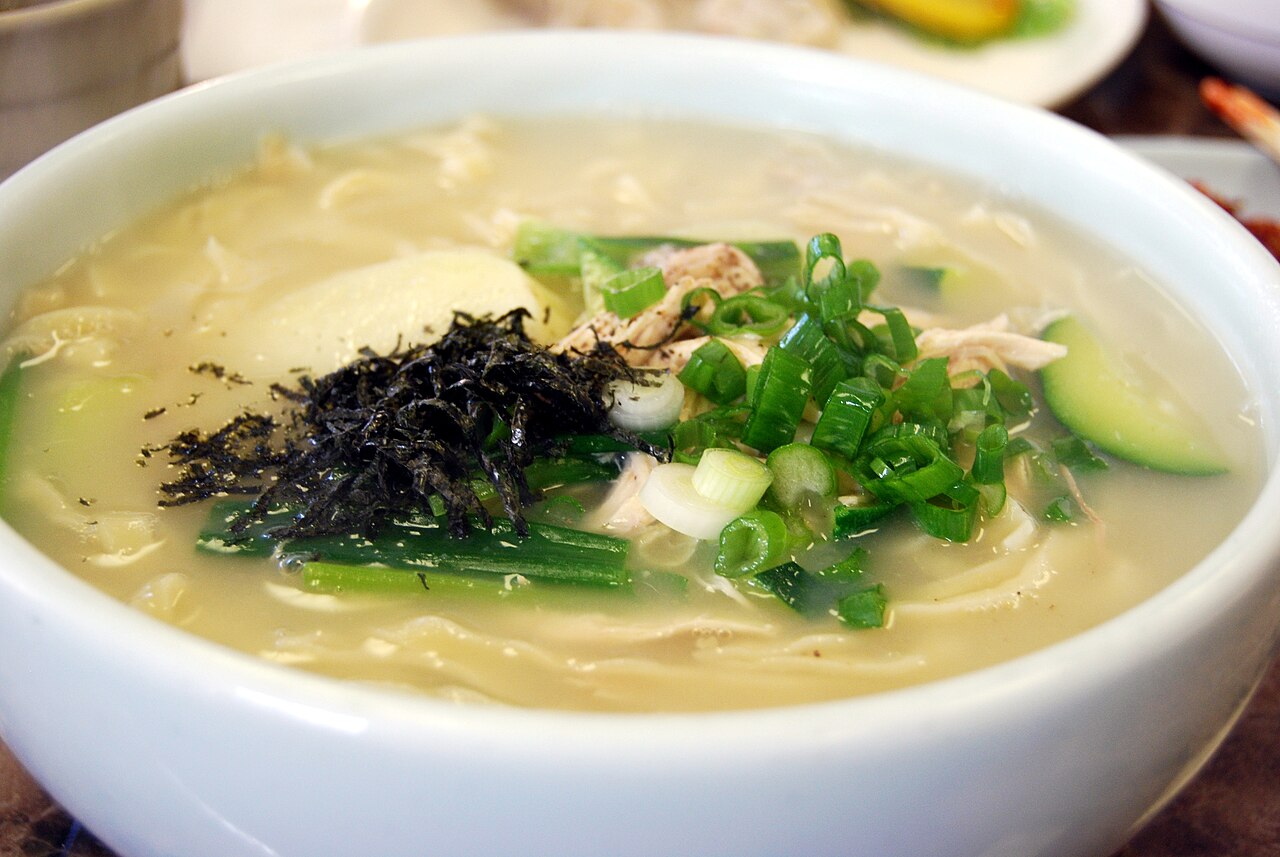
Kalguksu and mandu 칼국수·만두
Kalguksu is Korea's knife-cut noodle soup, and mandu are Korean dumplings.
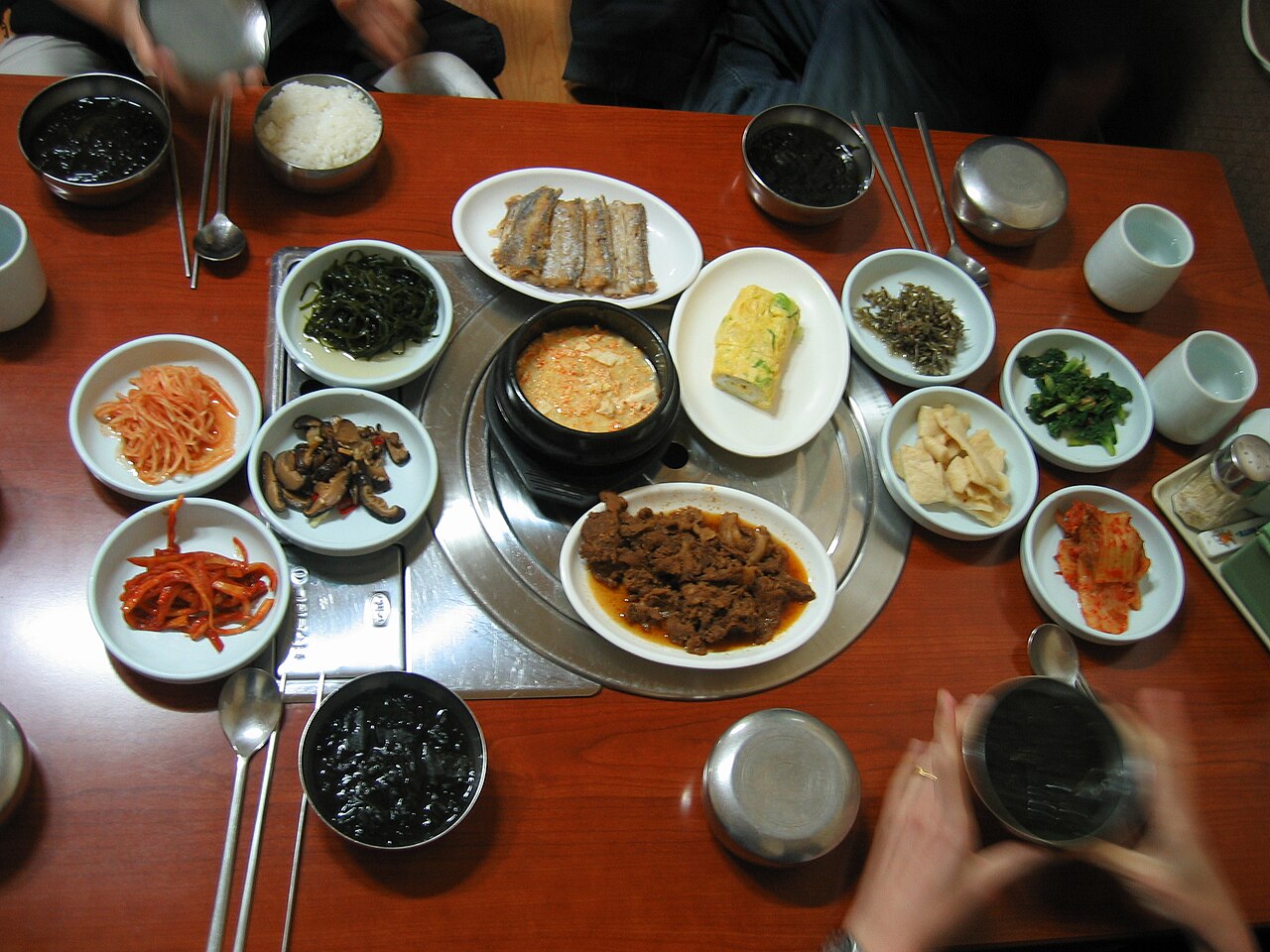
Baekban and hanjeongsik 백반·한정식
A Korean set meal is rice, soup and many side dishes.
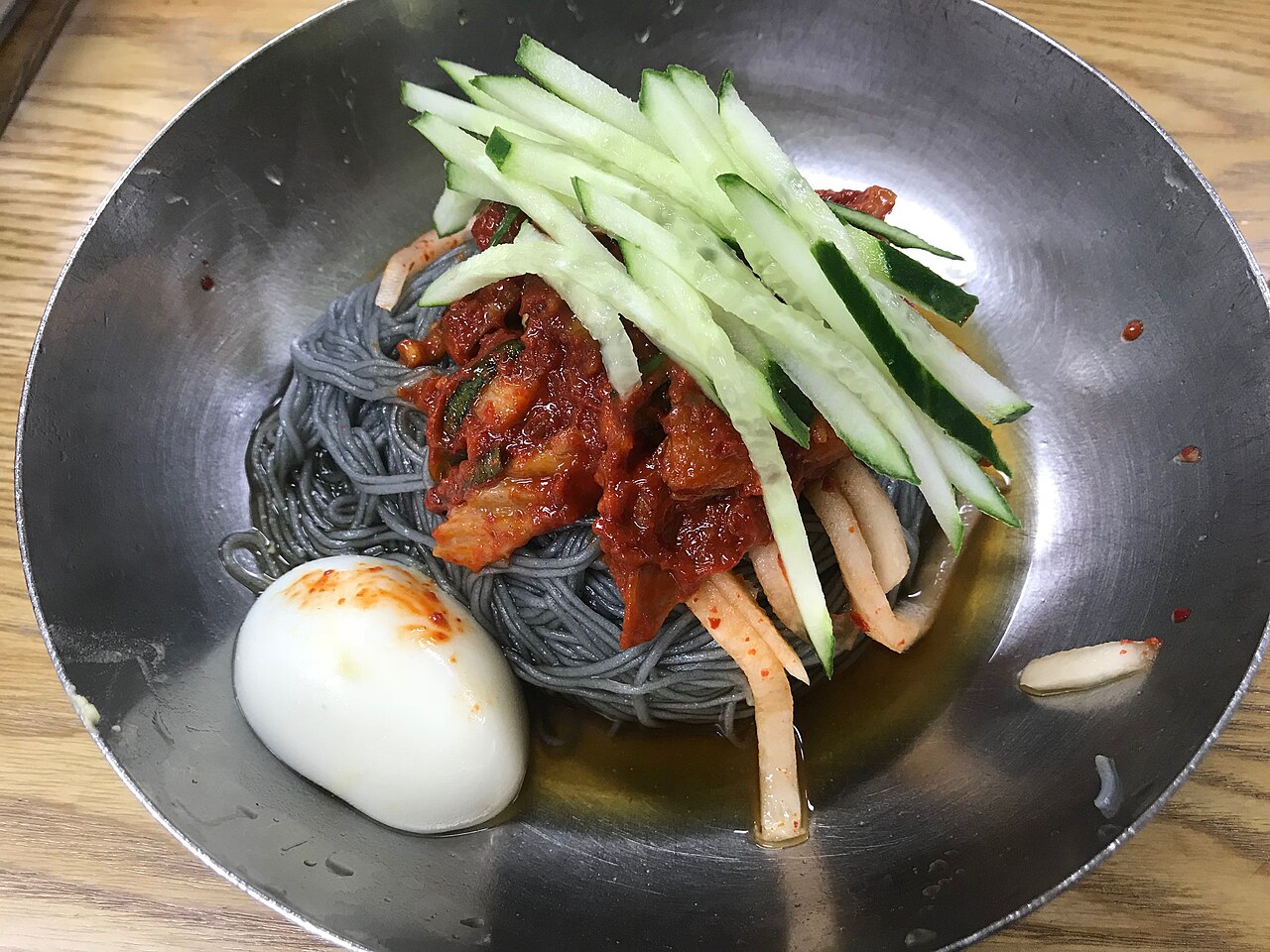
Naengmyeon 냉면
Naengmyeon is Korea's chilled noodle dish.
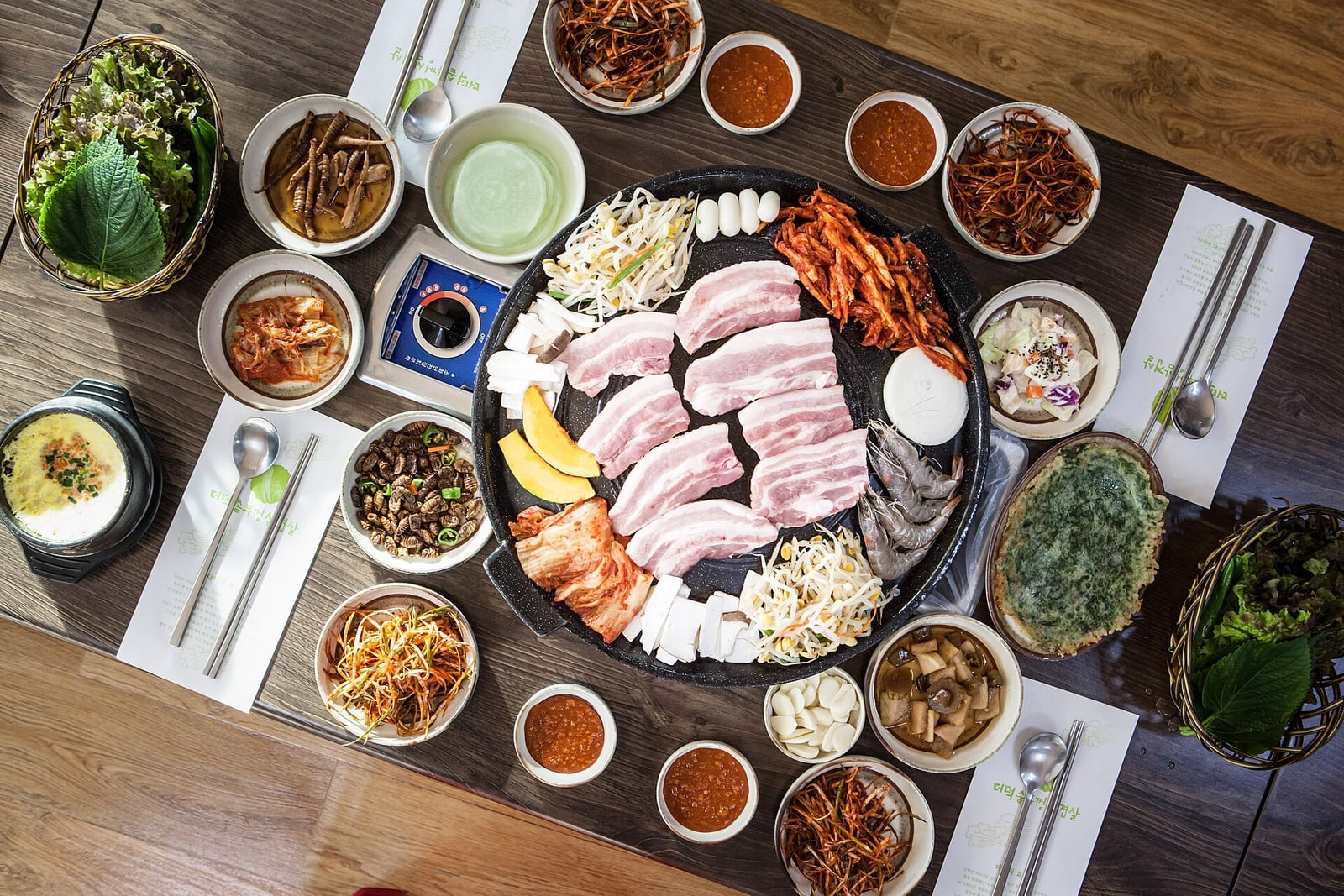
Samgyeopsal 삼겹살
Samgyeopsal is grilled pork belly, Korea's most popular barbecue.
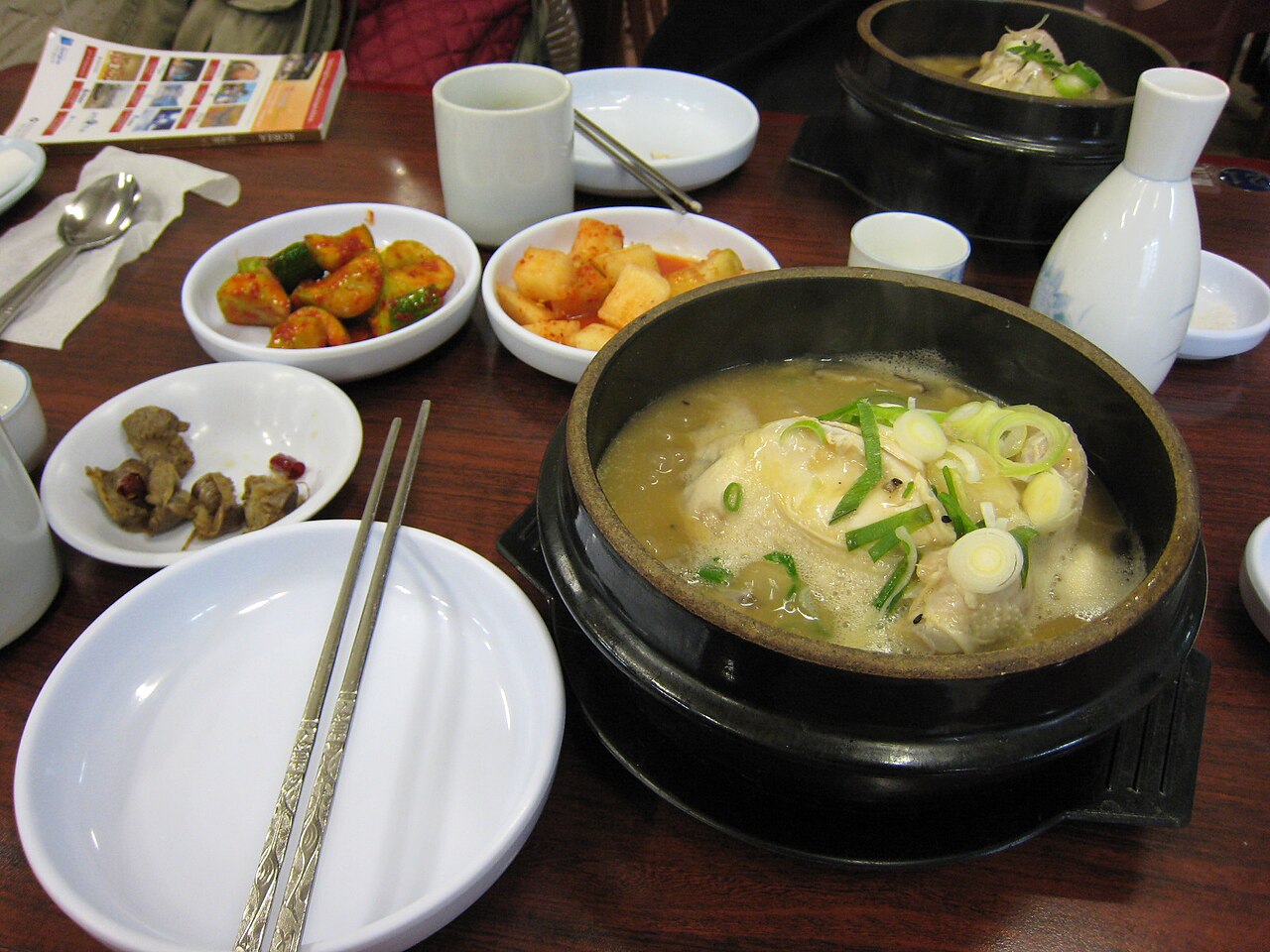
Samgyetang 삼계탕
Samgyetang is a whole young chicken simmered with ginseng, jujubes and sweet rice.
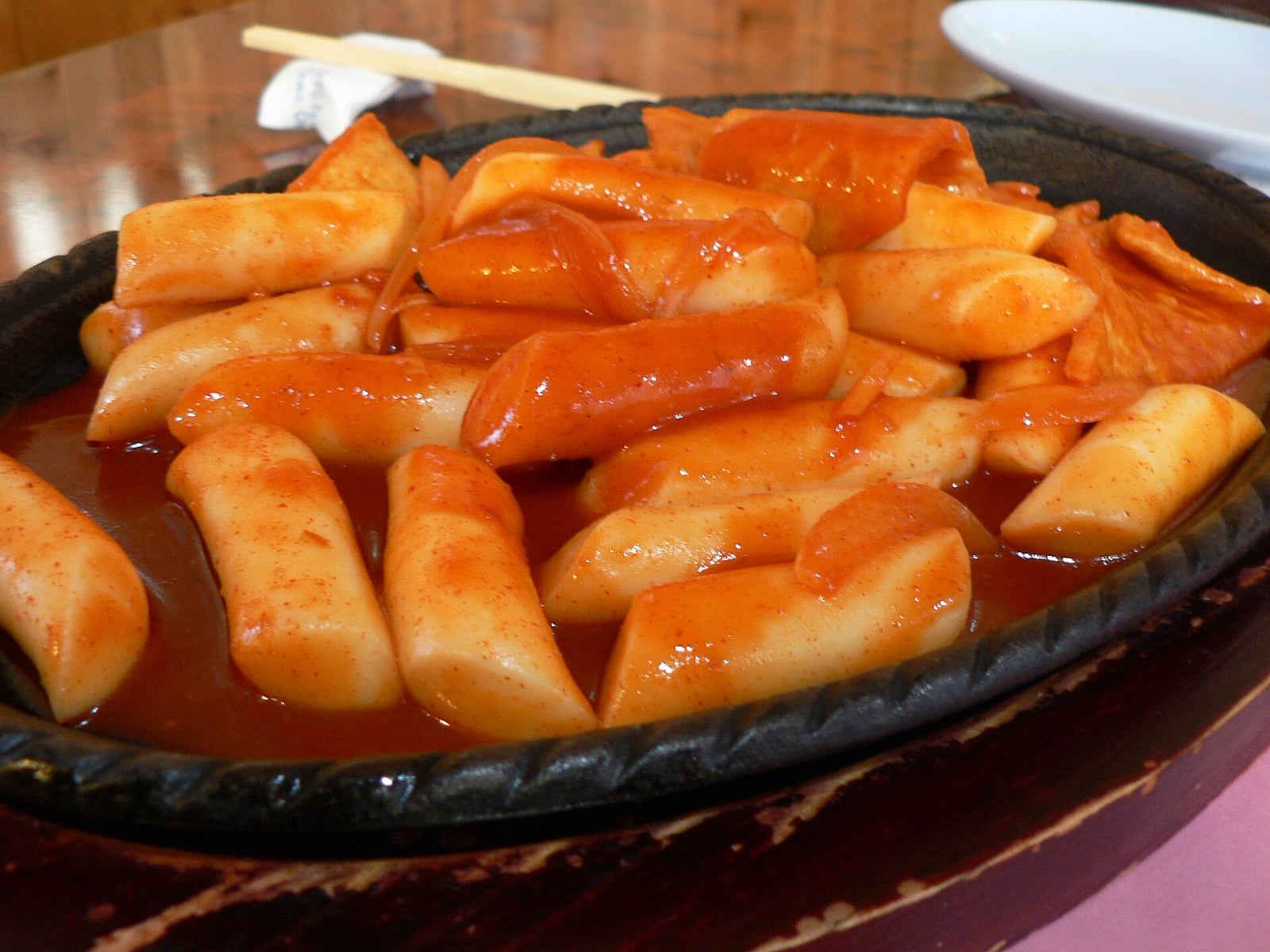
Tteokbokki 떡볶이
Tteokbokki is Korea's chewy rice cake street snack.
Photo credits
- Main photo: donza, CC BY 4.0, Wikimedia Commons
- Gopchang-gui: donza, CC BY 4.0, Wikimedia Commons
- Gopchang-bokkeum: LWYang, CC BY 2.0, Wikimedia Commons
- Gopchang-jeongol: lazy fri13th, CC BY 2.0, Wikimedia Commons
- Daechang-gui: 향긋한 커피매니아, CC BY 4.0, Wikimedia Commons