Bibimbap 비빔밥
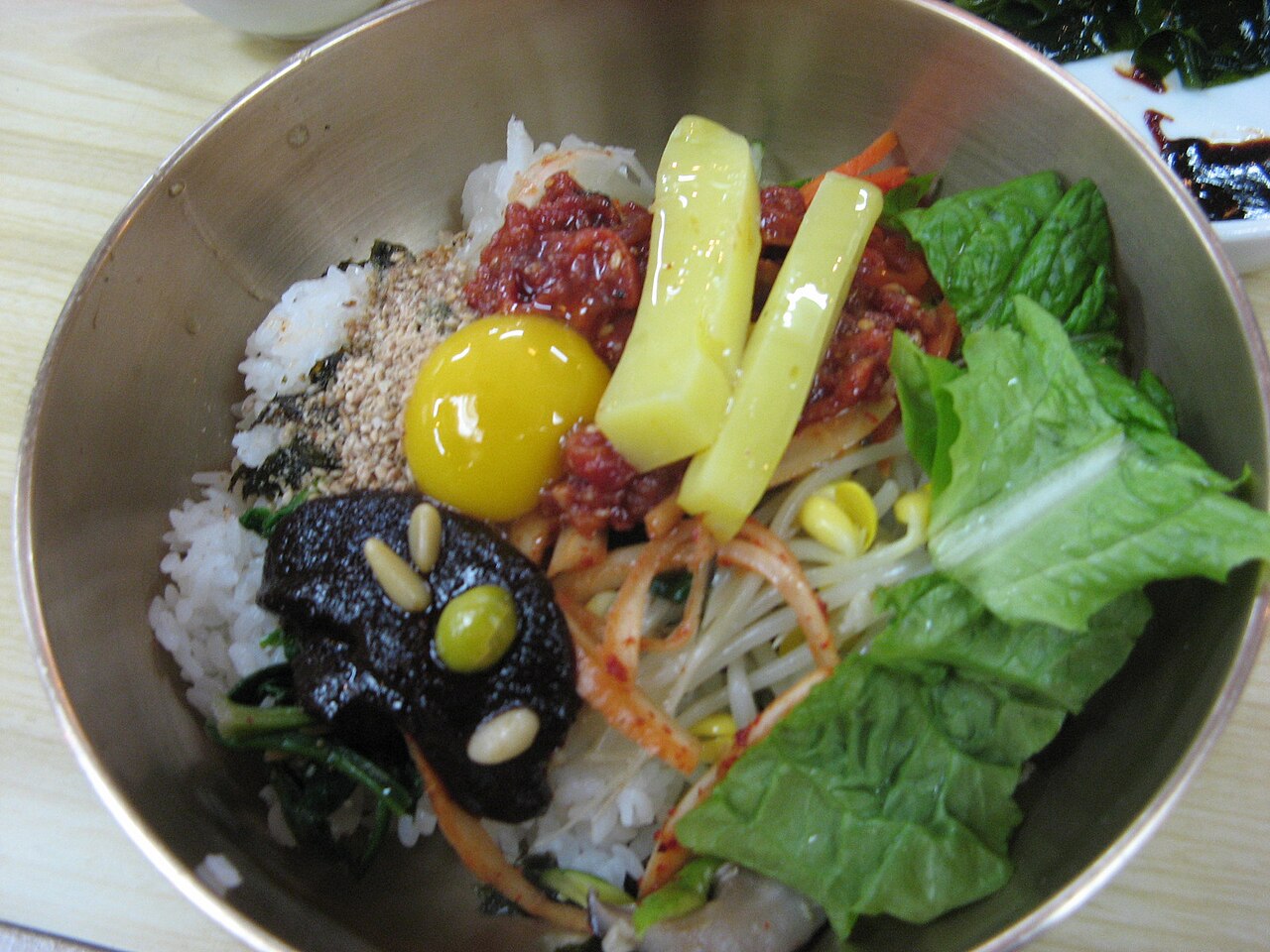
Bibimbap (비빔밥) is a bowl of rice topped with seasoned vegetables and stir-fried meat, and mixed at the table with gochujang (고추장), a spicy chili paste. Bibim (비빔) means mixed, and a little sesame oil helps bring out the flavor.
The Korea Tourism Organization describes it as a bowl of rice served with vegetables such as bracken, spinach and bellflower, then topped with stir-fried meat. The colors and flavors change with the seasonal local ingredients, and it calls bibimbap a representative Korean food that shows the Korean way of mixing different ingredients together.
The pot, the toppings and the town all change the dish, so it helps to know a few kinds before you order.
Kinds of bibimbap
Hot Stone Pot Bibimbap 돌솥비빔밥
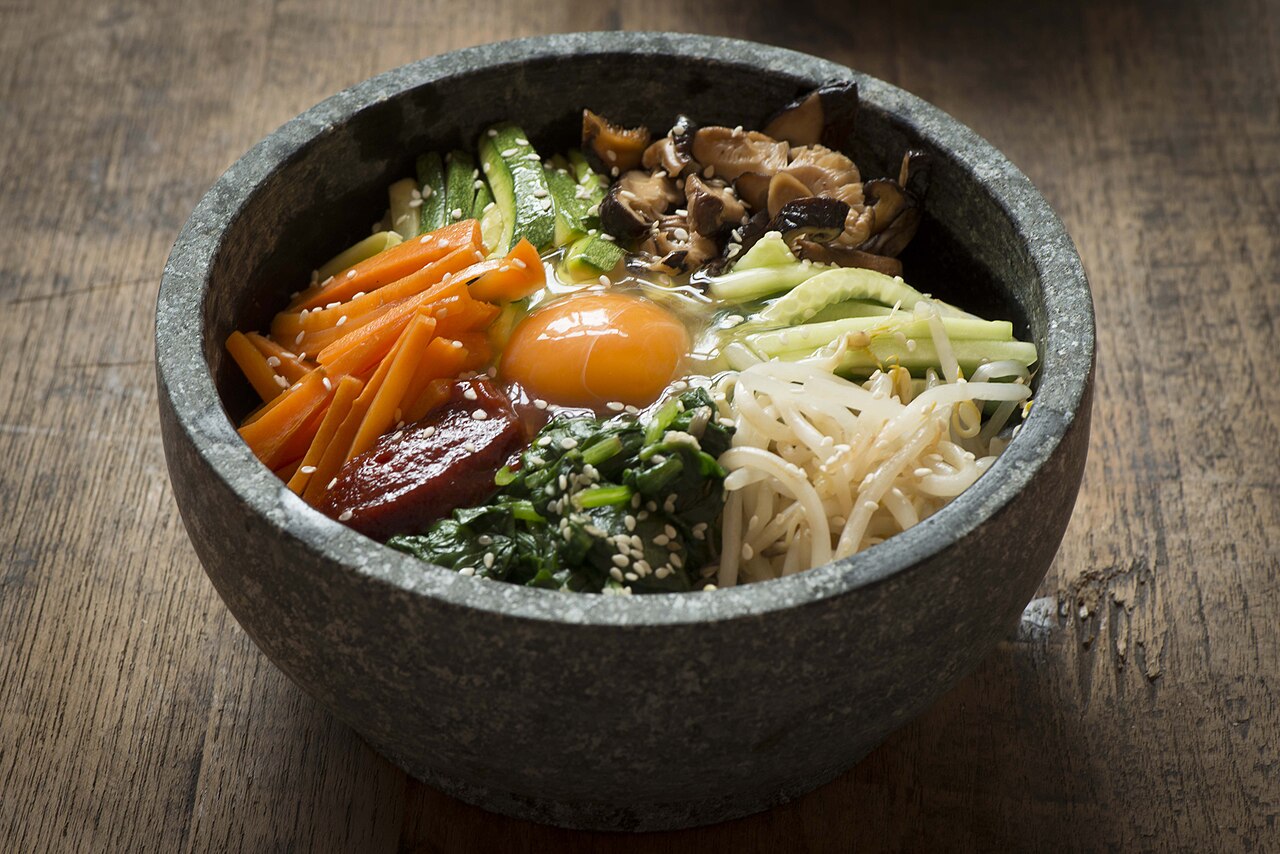
Dolsotbibimbap (돌솥비빔밥) is bibimbap served in a sizzling hot stone pot (dolsot, 돌솥). Rice goes into the pot, then seasoned vegetables and stir-fried beef go on top, and you mix it with gochujang. The rice at the bottom turns crispy, and the heat of the stone keeps the bowl hot until the end of the meal. The pot stays very hot, so take care not to touch it.
Jeonju Bibimbap 전주비빔밥
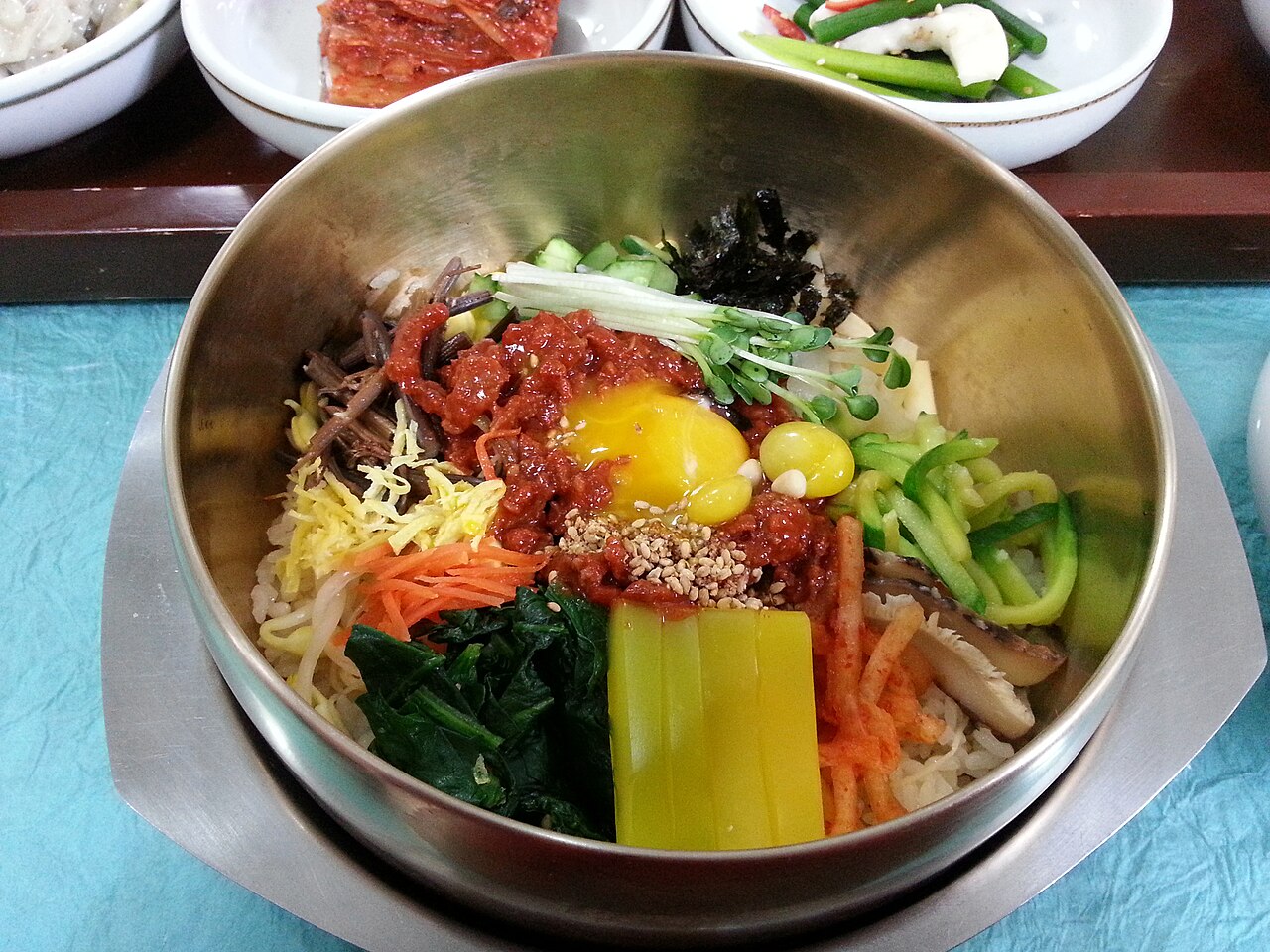
Jeonjubibimbap (전주비빔밥) is the bibimbap of Jeonju, in North Jeolla Province. It is topped with colorful vegetables and beef tartare. Bean sprouts and beef tartare are what make it special, so it has also been called Jeonju bean sprout beef tartare bibimbap. Jeonju's city tourism site says bibimbap brings together more than 30 kinds of ingredients in one bowl. It calls Jeonju bibimbap a local dish whose five colors please the eye as well as the mouth. The beef is raw, so check the menu if you would rather not eat it.
Wild Vegetable Bibimbap 산채비빔밥
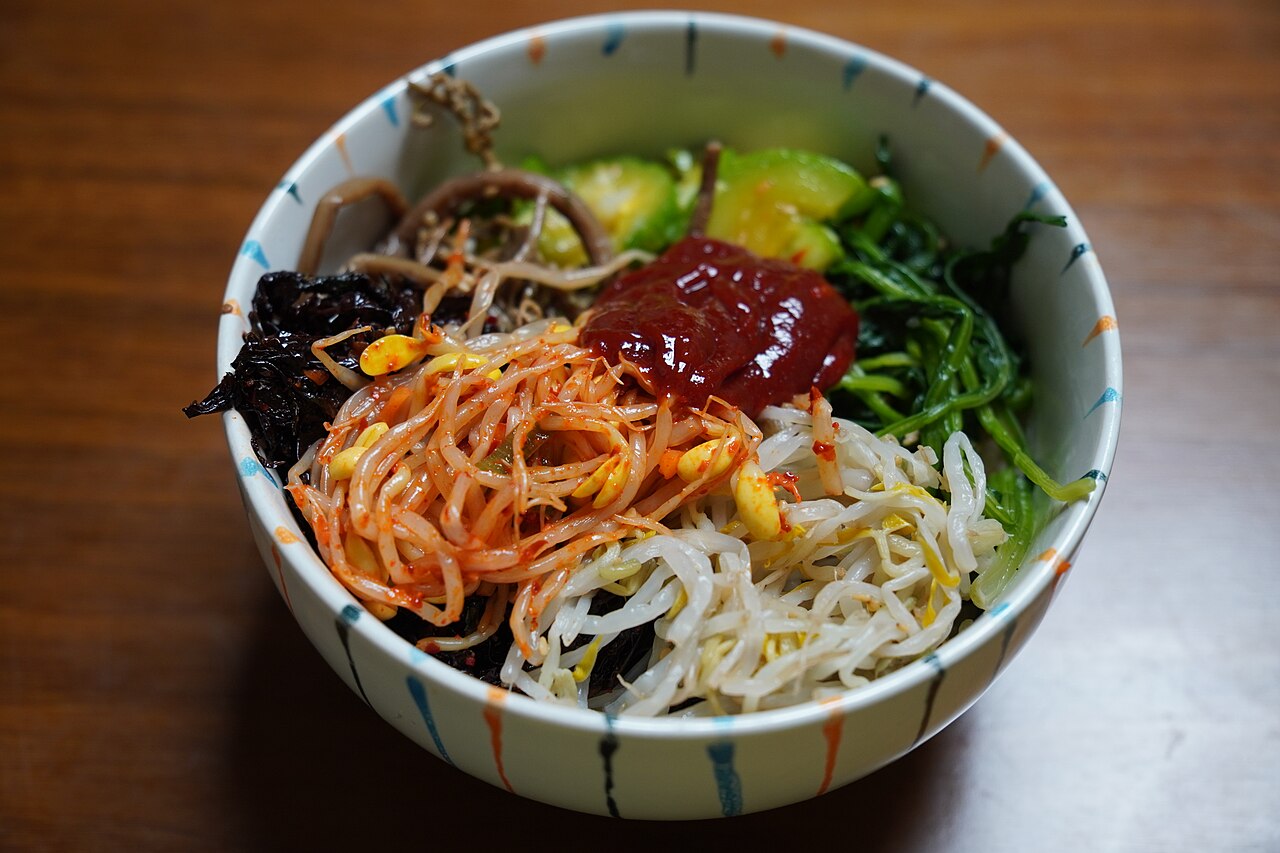
Sanchaebibimbap (산채비빔밥) puts wild vegetables that grow in the mountains on top of the rice. You mix it with gochujang at the table. Each wild vegetable has its own taste and scent, and together they open the appetite and make a fragrant bowl that is full of the flavor of mountain greens.
Beef Tartare Bibimbap 육회비빔밥
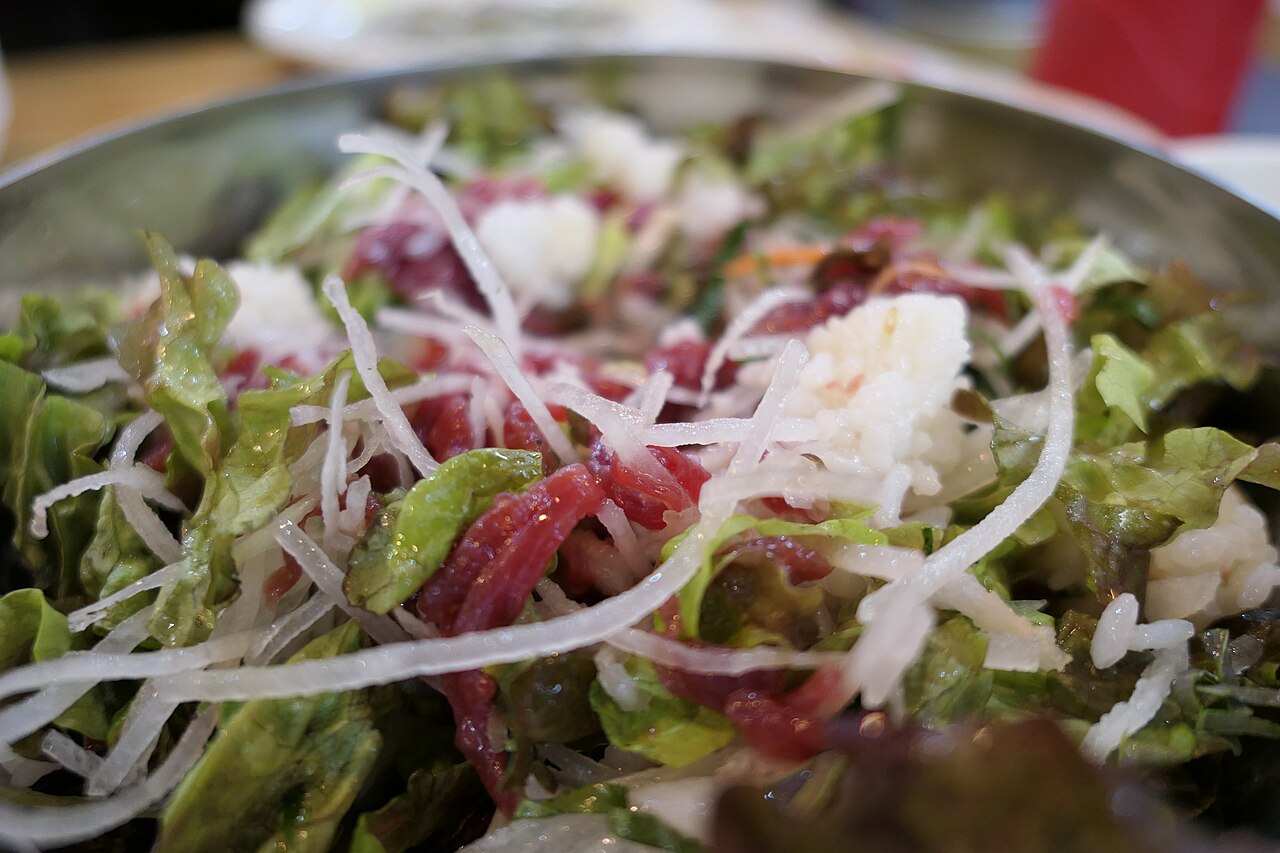
Yukhoebibimbap (육회비빔밥) is well-cooked rice topped with seasonal namul (seasoned vegetables) and fresh yukhoe (육회), which is chopped raw beef. It is mixed with a seasoned soy sauce (양념간장) rather than gochujang. Lean rump or eye of round is the preferred cut for the beef. Because the meat is raw, skip it if raw beef is not for you.
Steamed Barley Rice (Boribap) 보리밥
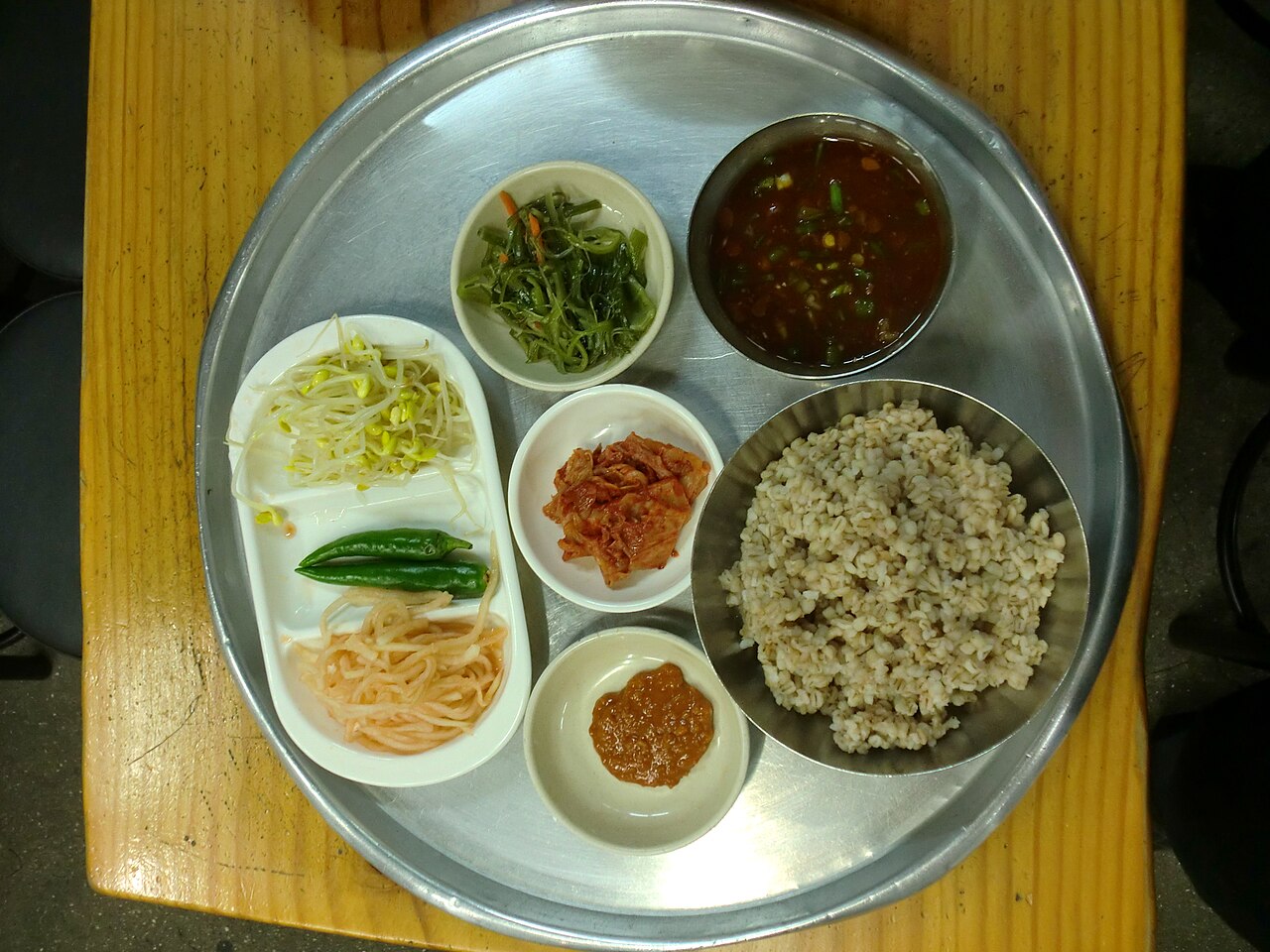
Boribap (보리밥) is rice cooked with barley, or barley alone, and it is easy to digest. Many people mix it with yeolmu kimchi (young summer radish kimchi) or gochujang, or eat it with green chili peppers dipped in doenjang, a soybean paste. At a boribap-jeongsik (보리밥정식) restaurant the barley rice comes with many side dishes, and you can mix in the vegetables, gochujang and sesame oil to make a bibimbap.
How to eat and order
Order by the name of the kind. Bibimbap is mixed at the table: stir the rice, toppings and gochujang together with the spoon before you eat. Add the chili paste a little at a time, then mix well before the first bite.
A hint of sesame oil helps bring out the flavor, so add only a little. Check the toppings first if you do not eat raw beef, because Jeonju bibimbap and beef tartare bibimbap both use it.
A stone pot bowl stays hot until the end of the meal, so be careful with the pot and give it a moment before you take a big spoonful. With boribap-jeongsik, the barley rice comes with side dishes that you can mix in yourself.
Average price in Seoul
₩11,923 Bibimbap, Aug 2026
Seoul average, Korea Consumer Agency, Aug 2026, for a standard serving.
Where to find it
Restaurants on Seoul's official lists (Seoul Future Heritage, Centennial Store, Model Restaurant), one near each area, reviewed 16 Oct 2026. The type is our label; check the menu before you go.
- 선천집 Korean set meal, 2 min walk from Insa-dong. Seoul Future Heritage · Centennial Store · Google Maps
- 비비리2 Korean set meal, 3 min walk from Hongdae. Model Restaurant (Seoul) · Google Maps
- 해남집 Korean set meal, 4 min walk from Garosu-gil. Model Restaurant (Seoul) · Google Maps
- 누엣골 주막 Korean set meal, 6 min walk from Lotte World Tower & Seokchon Lake. Model Restaurant (Seoul) · Google Maps
- 초가집 Korean set meal, 9 min walk from Bukhansan. Seoul Future Heritage · Google Maps
- 한일관 Korean set meal, 11 min walk from Apgujeong Rodeo Street. Seoul Future Heritage · Model Restaurant (Seoul) · Google Maps
- 단비 Korean set meal, 13 min walk from Hannam-dong. Model Restaurant (Seoul) · Google Maps
- 하나로회관 Korean set meal, 14 min walk from Euljiro. Centennial Store · Model Restaurant (Seoul) · Google Maps
Checked 6 Nov 2026.
More Korean dishes
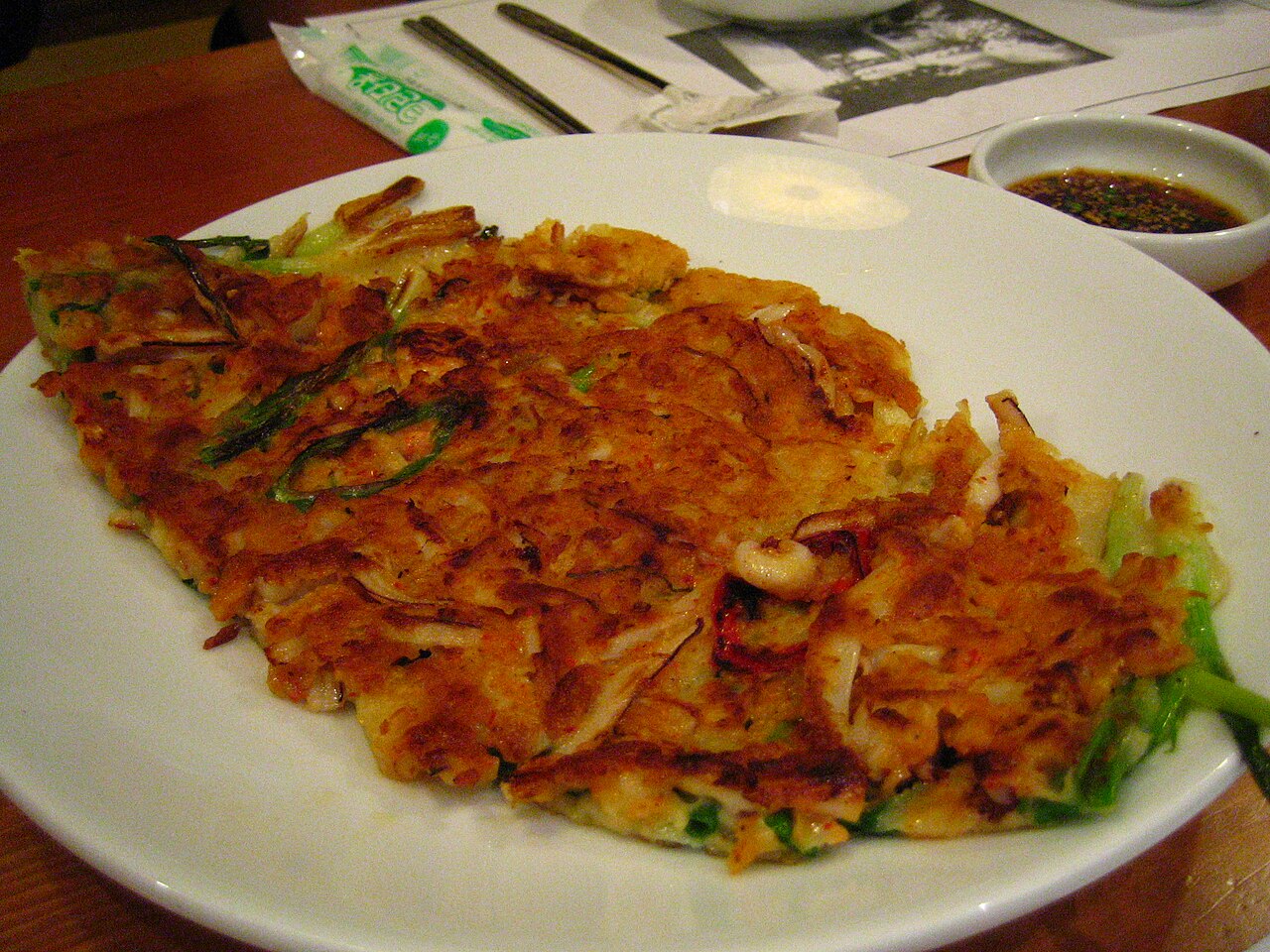
Bindaetteok 빈대떡
Bindaetteok is Korea's mung bean pancake, and jeon are pan-fried savory pancakes.
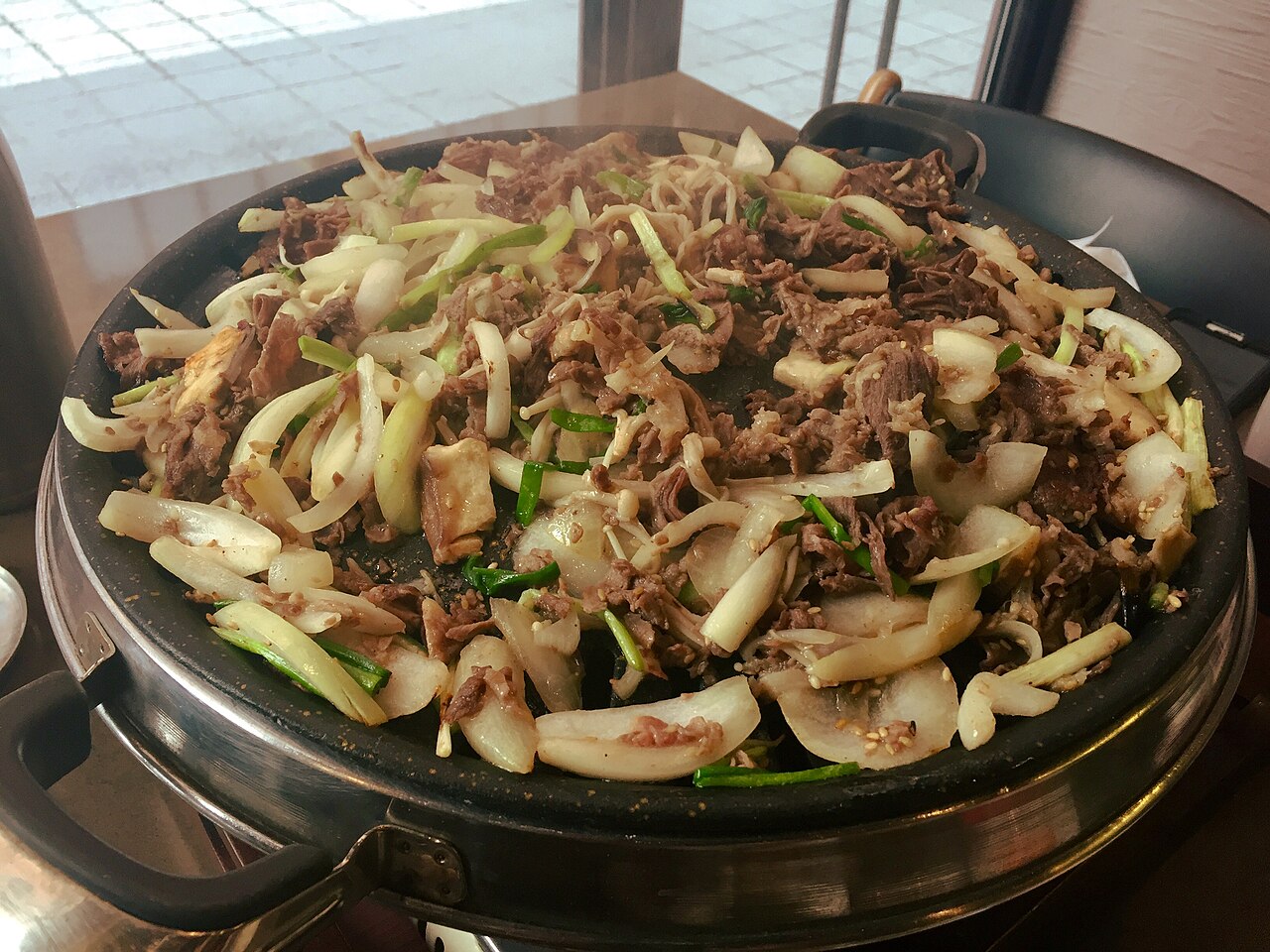
Bulgogi 불고기
Bulgogi is Korean marinated beef, grilled or simmered.
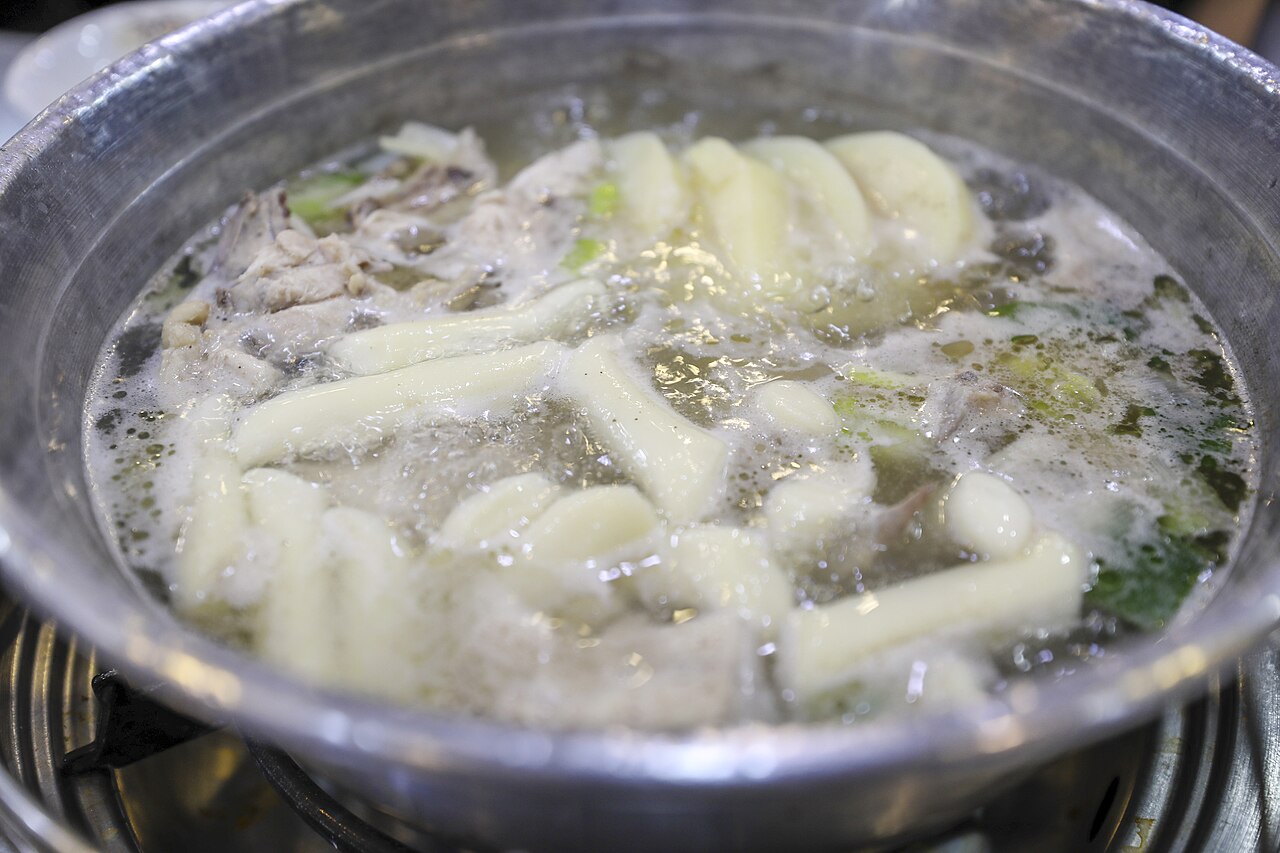
Dakhanmari 닭한마리
Dakhanmari is a whole chicken cooked at your table in a large pot, then finished with noodles.
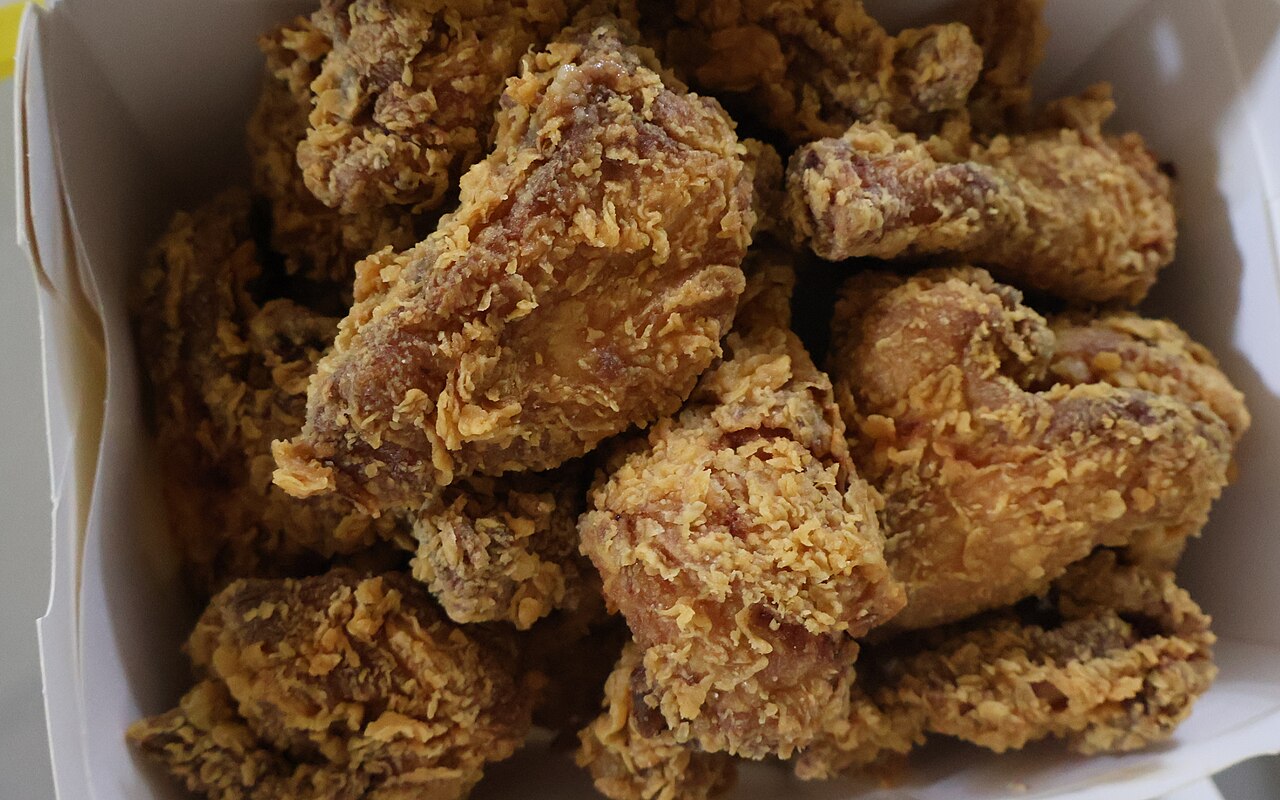
Korean fried chicken 치킨
Korean fried chicken (chikin, 치킨) is crunchy and comes in many flavors.
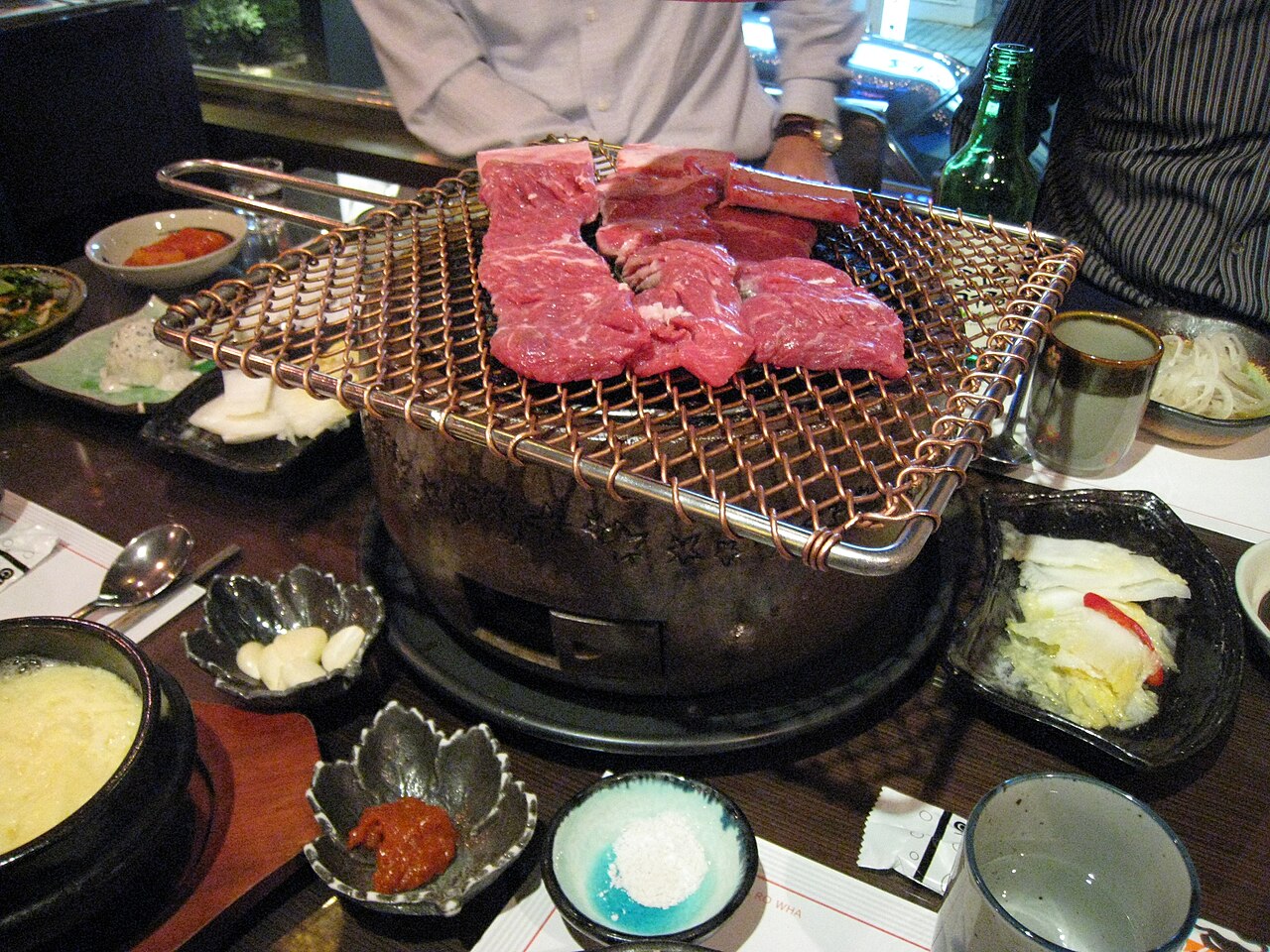
Galbi 갈비
Galbi is Korea's grilled rib barbecue.
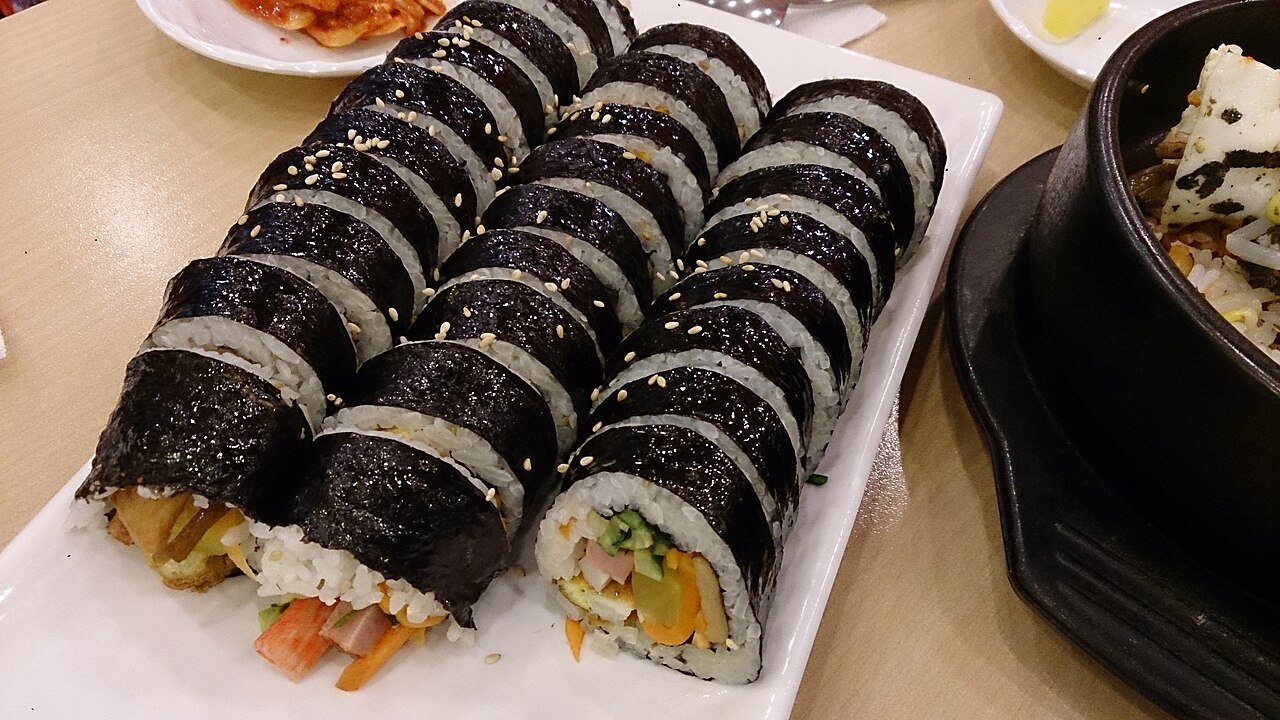
Gimbap 김밥
Gimbap is Korea's seaweed rice roll, sliced into bite-sized pieces.
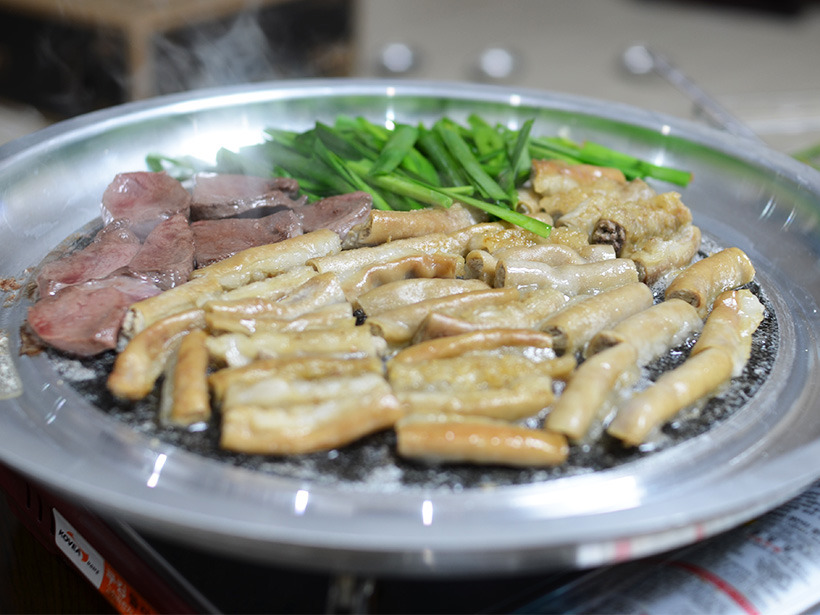
Gopchang 곱창
Gopchang are the small intestines of a cow or pig, eaten grilled, stir-fried or in a hot pot.
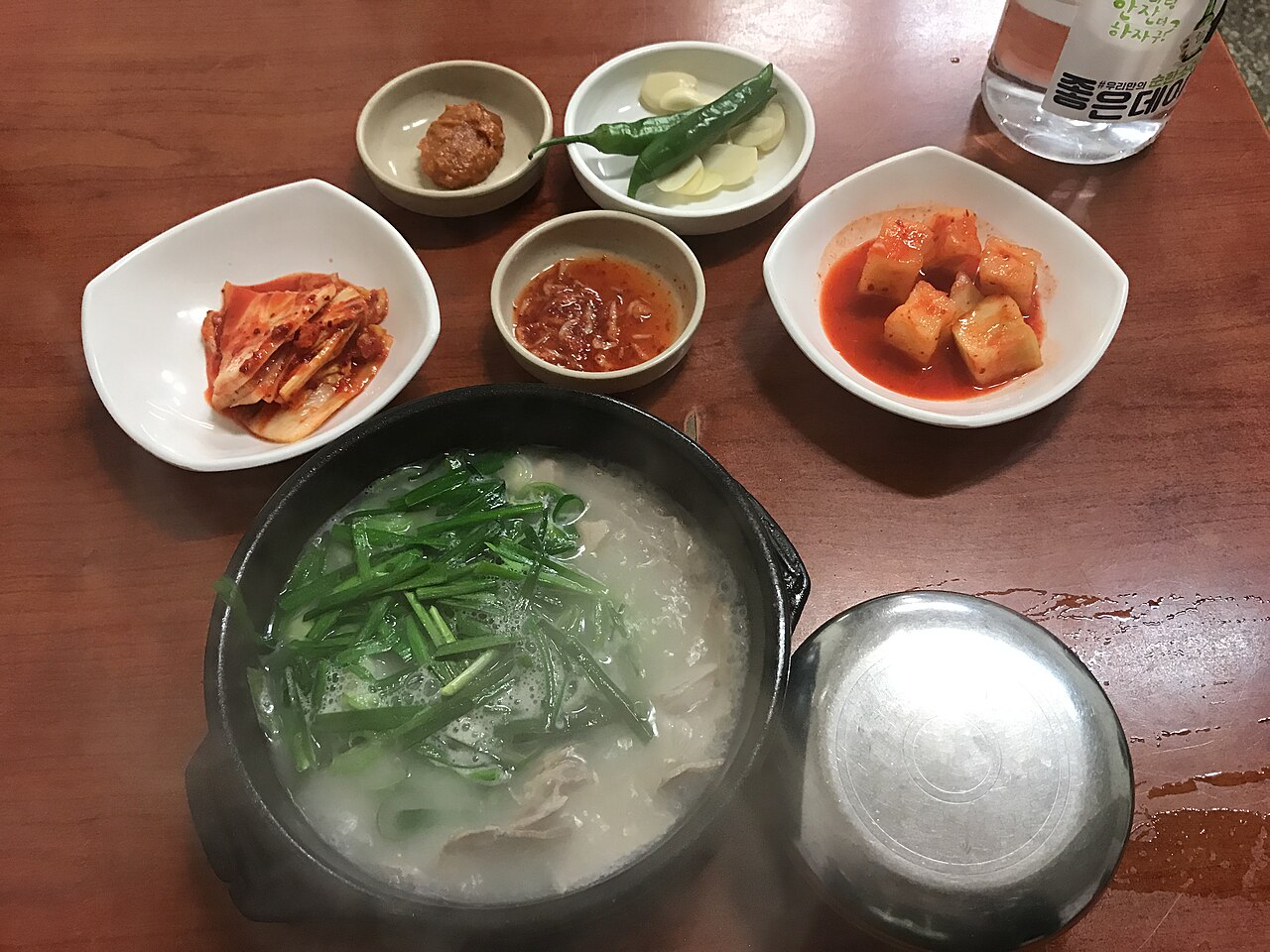
Gukbap 국밥
Gukbap is Korea's hot soup-and-rice meal.
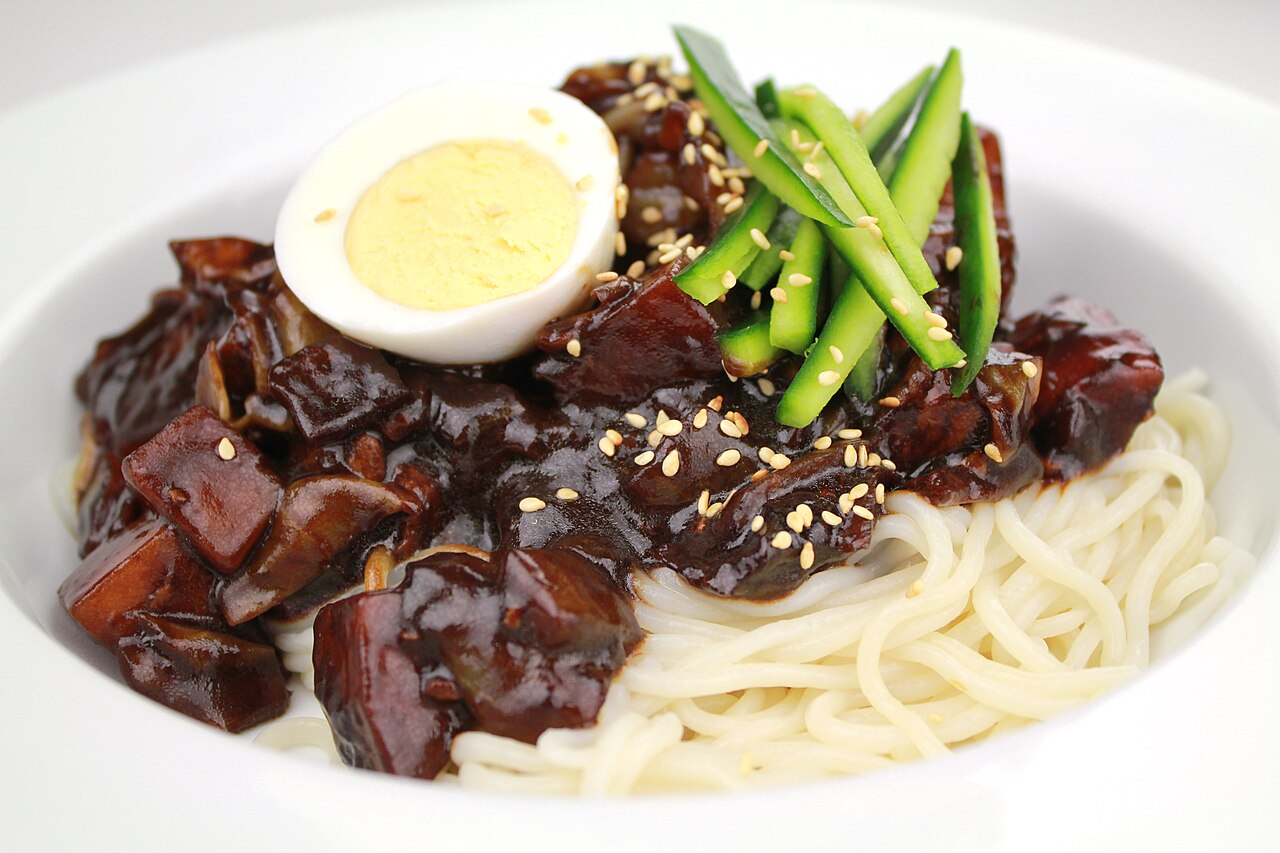
Jajangmyeon 짜장면
Jajangmyeon is Korea's black bean sauce noodles.
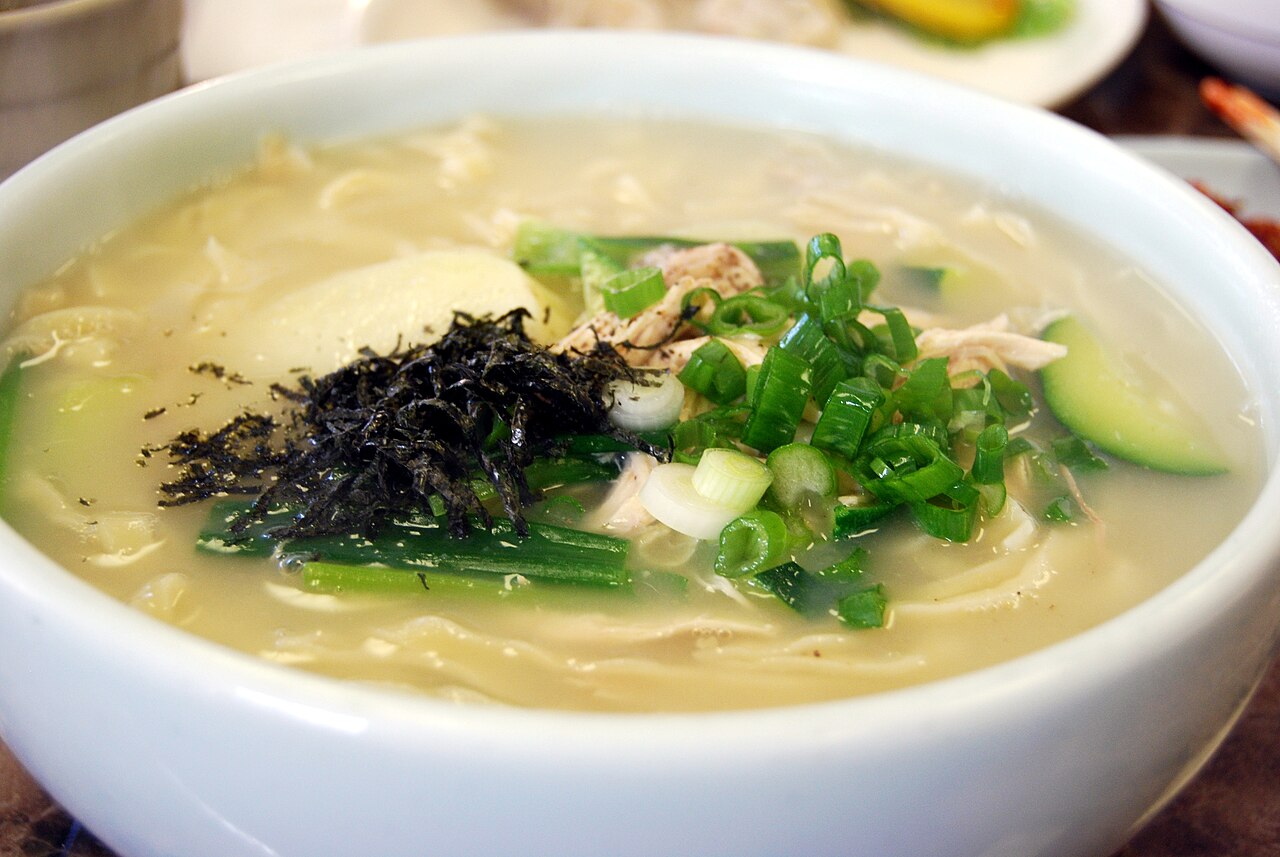
Kalguksu and mandu 칼국수·만두
Kalguksu is Korea's knife-cut noodle soup, and mandu are Korean dumplings.
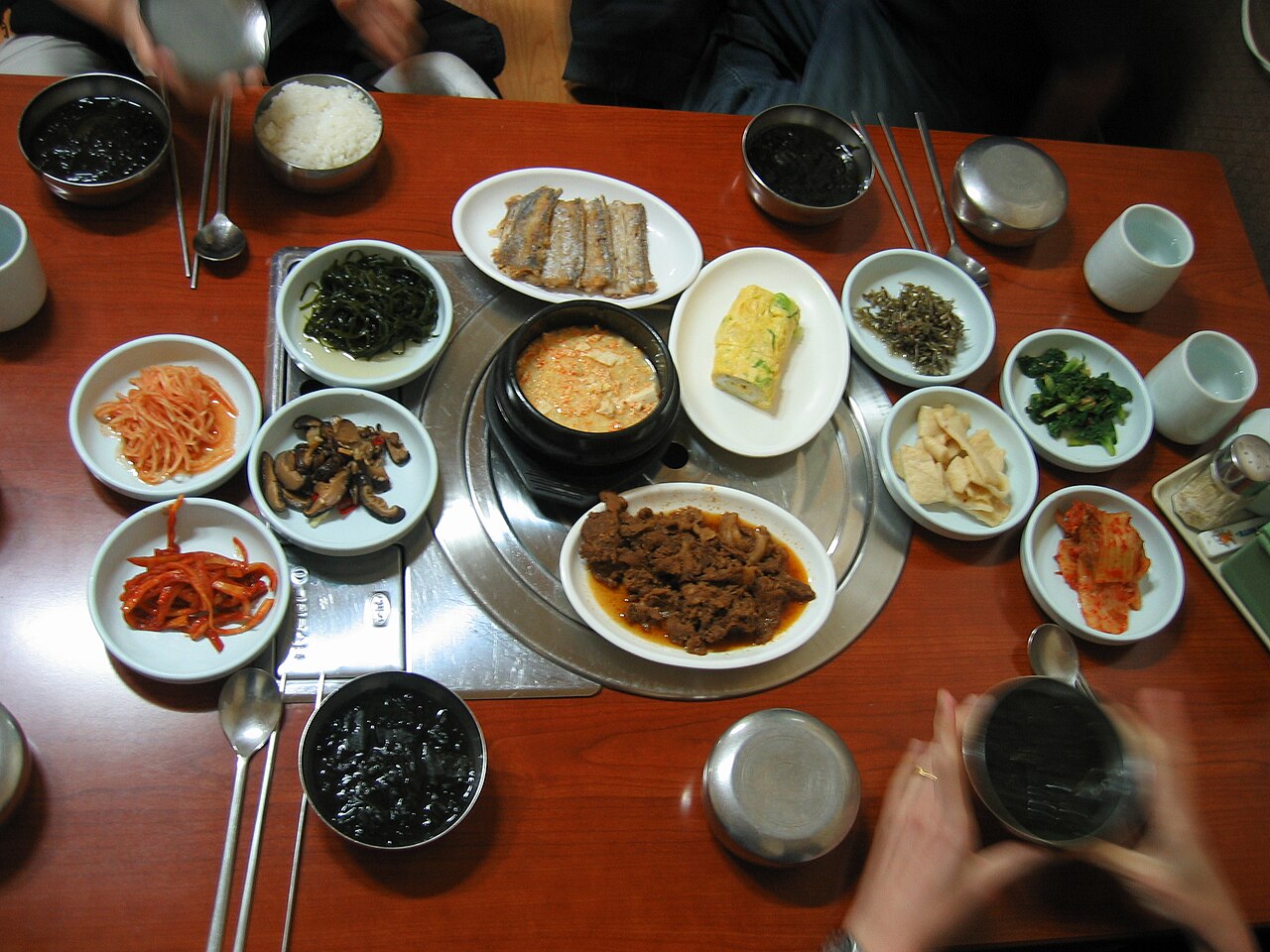
Baekban and hanjeongsik 백반·한정식
A Korean set meal is rice, soup and many side dishes.
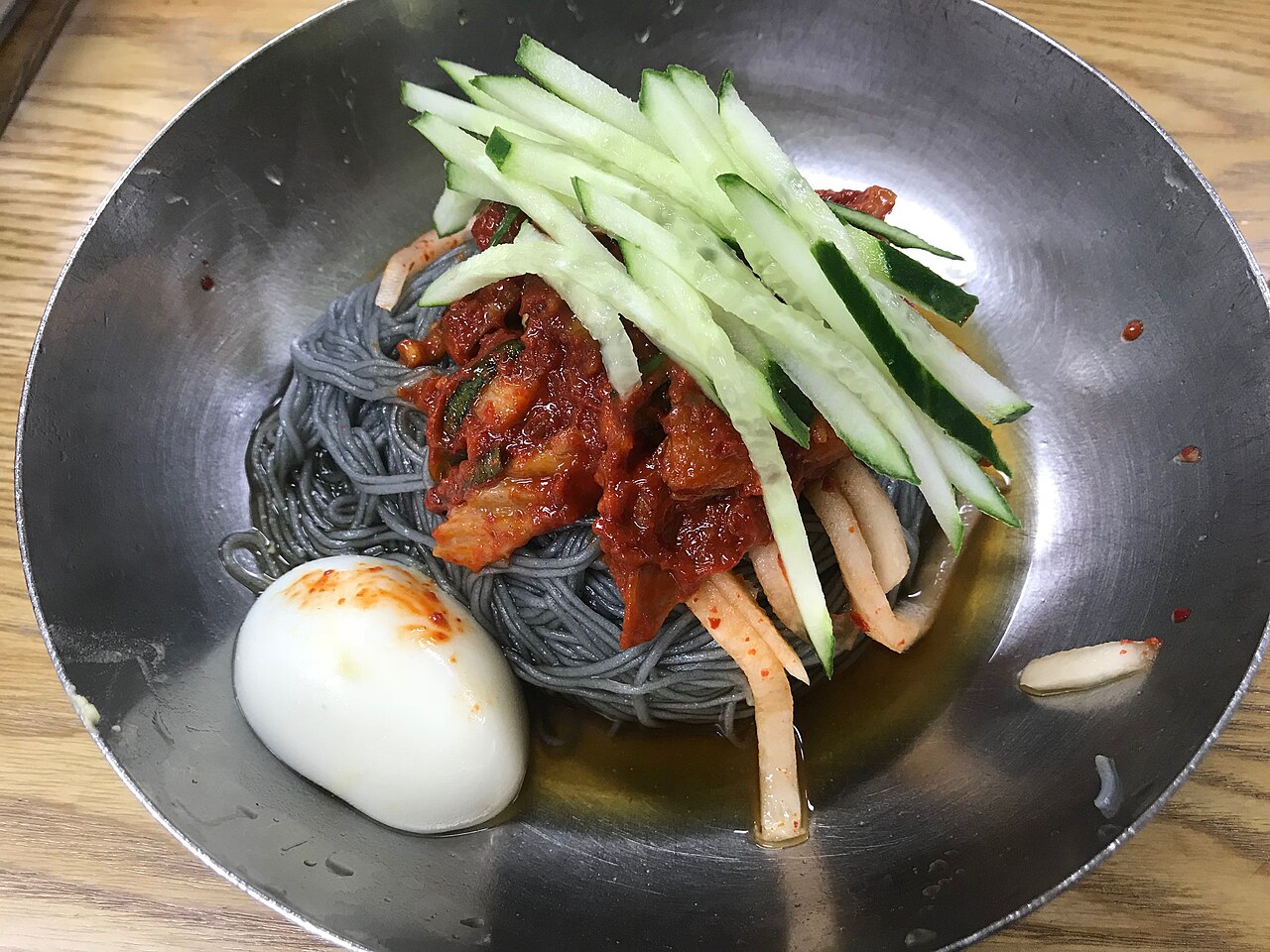
Naengmyeon 냉면
Naengmyeon is Korea's chilled noodle dish.
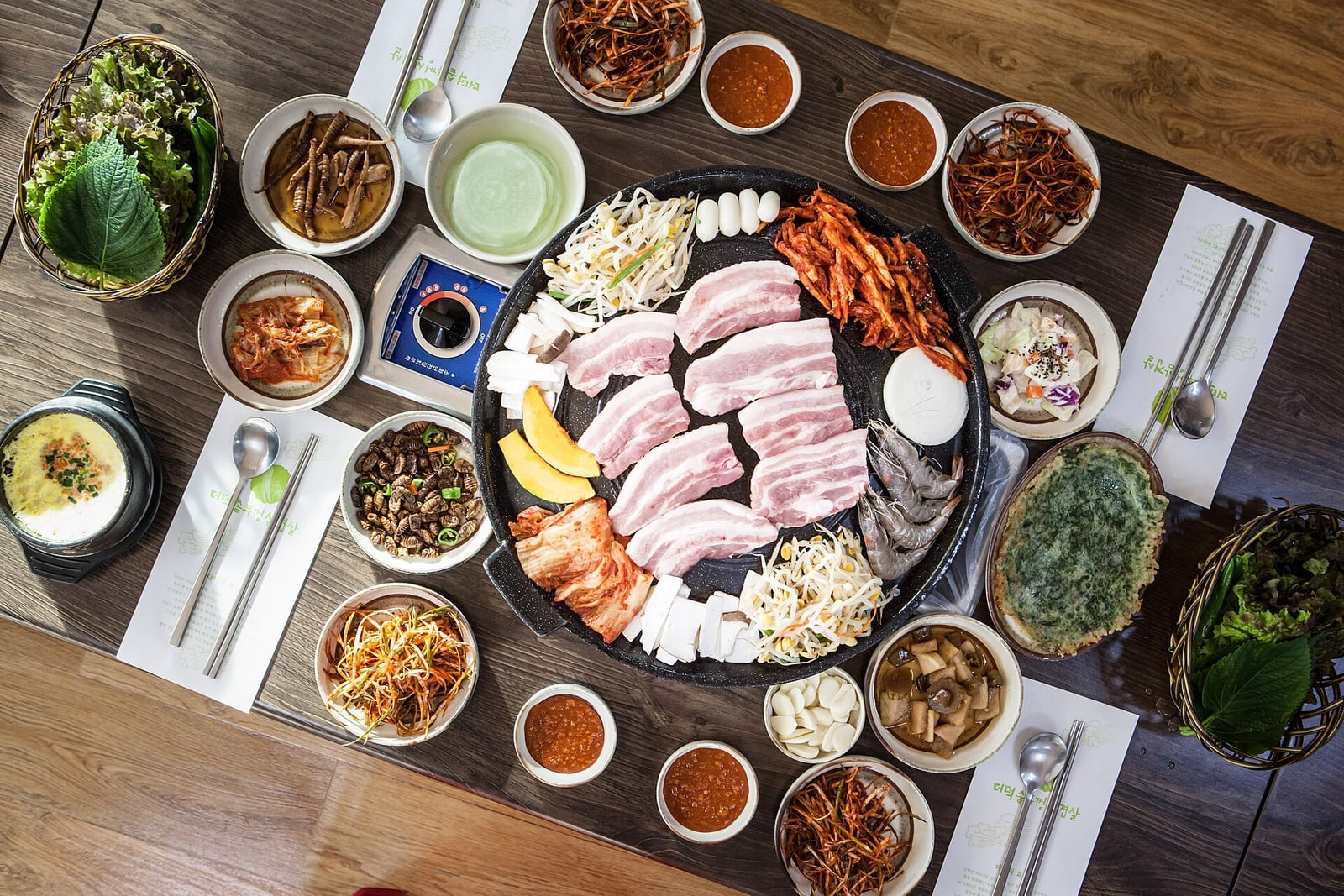
Samgyeopsal 삼겹살
Samgyeopsal is grilled pork belly, Korea's most popular barbecue.
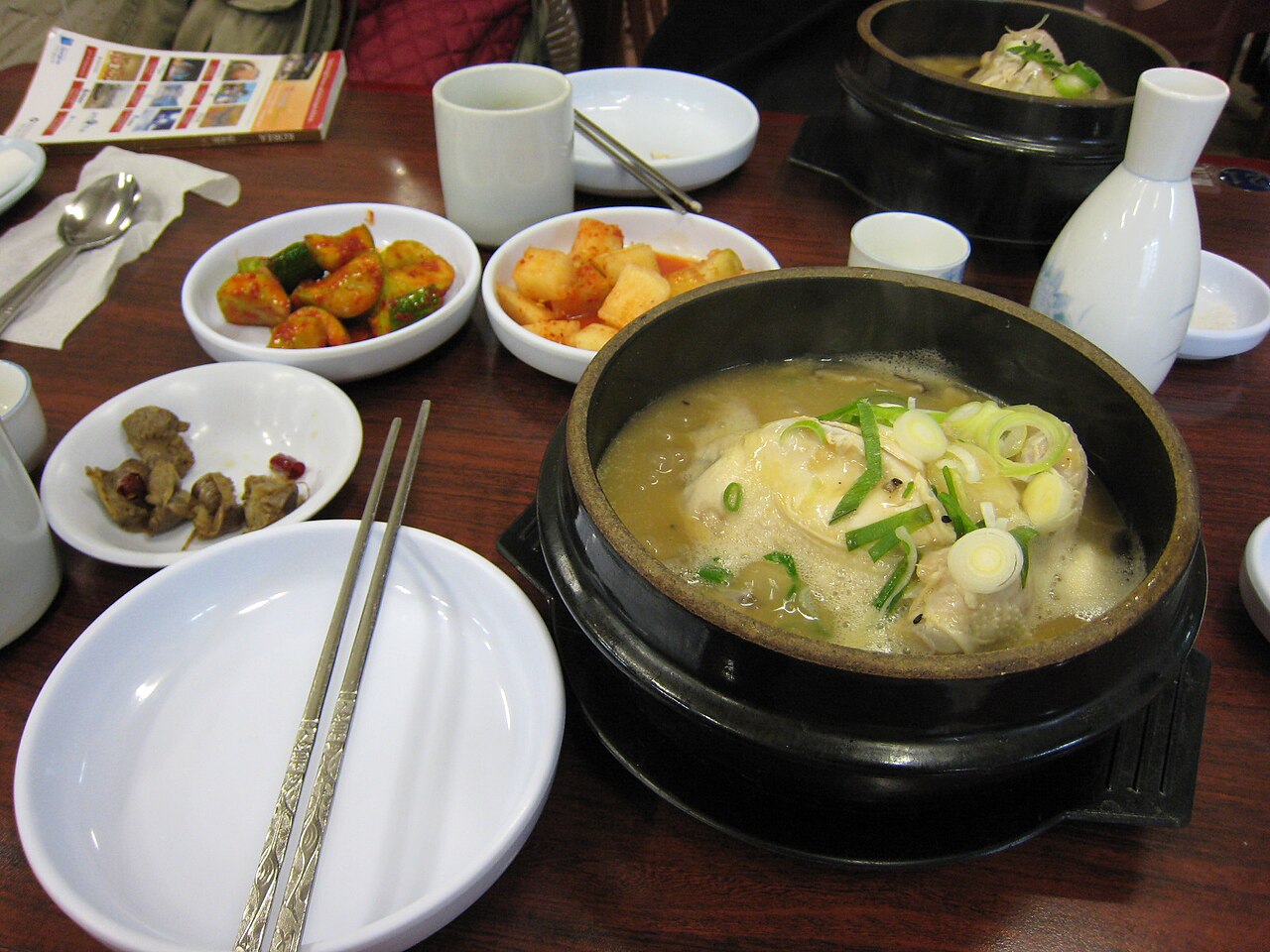
Samgyetang 삼계탕
Samgyetang is a whole young chicken simmered with ginseng, jujubes and sweet rice.
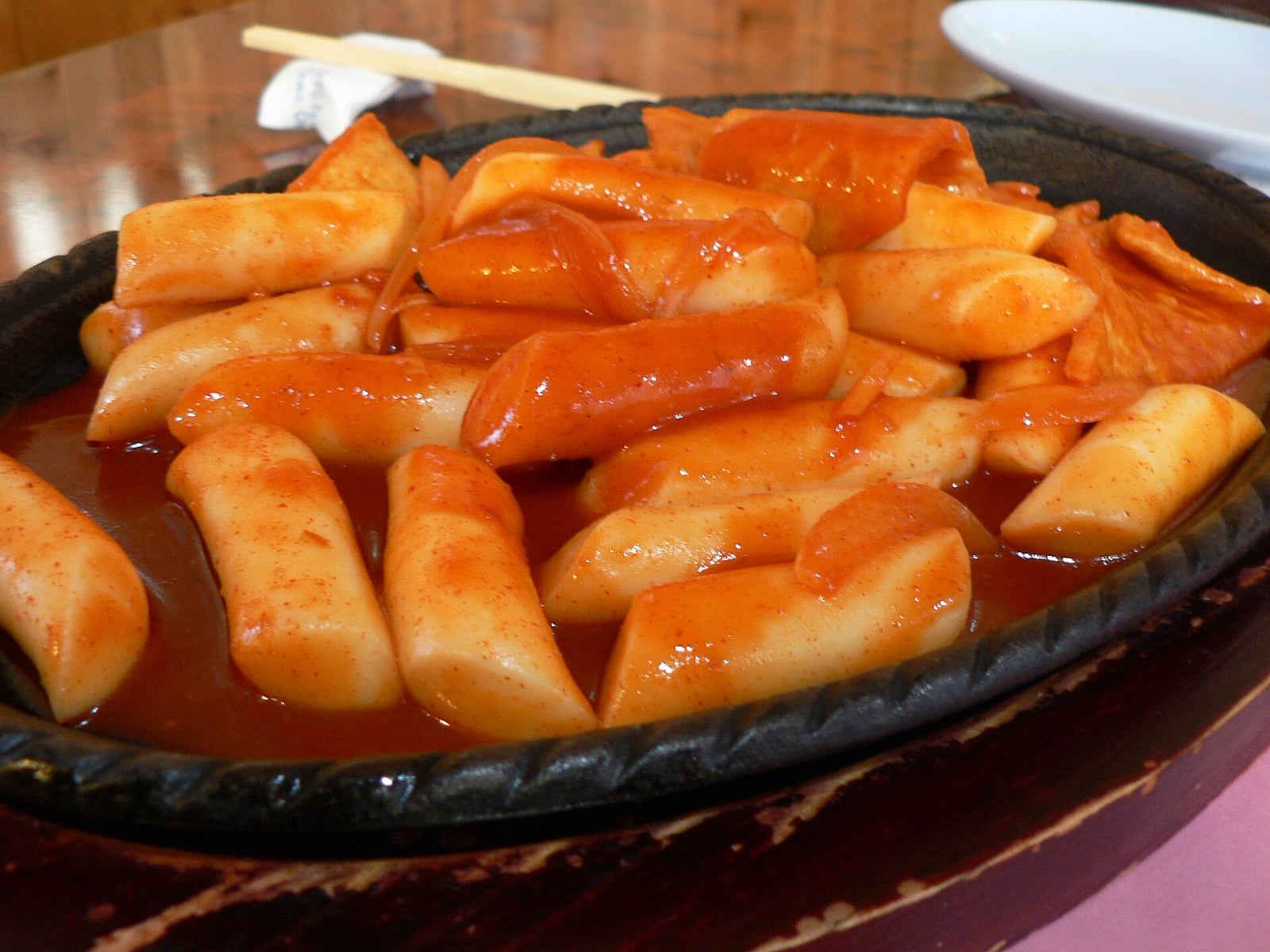
Tteokbokki 떡볶이
Tteokbokki is Korea's chewy rice cake street snack.
Photo credits
- Main photo: Michael Sean Gallagher, CC BY-SA 2.0, Wikimedia Commons
- Hot Stone Pot Bibimbap: Sous Chef, CC BY 2.0, Wikimedia Commons
- Jeonju Bibimbap: Douglas Paul Perkins, CC BY 3.0, Wikimedia Commons
- Wild Vegetable Bibimbap: Real rism, CC0, Wikimedia Commons
- Beef Tartare Bibimbap: bryan... from Taipei, Taiwan, CC BY-SA 2.0, Wikimedia Commons
- Steamed Barley Rice (Boribap): hyolee2, CC BY-SA 3.0, Wikimedia Commons