Jajangmyeon 짜장면
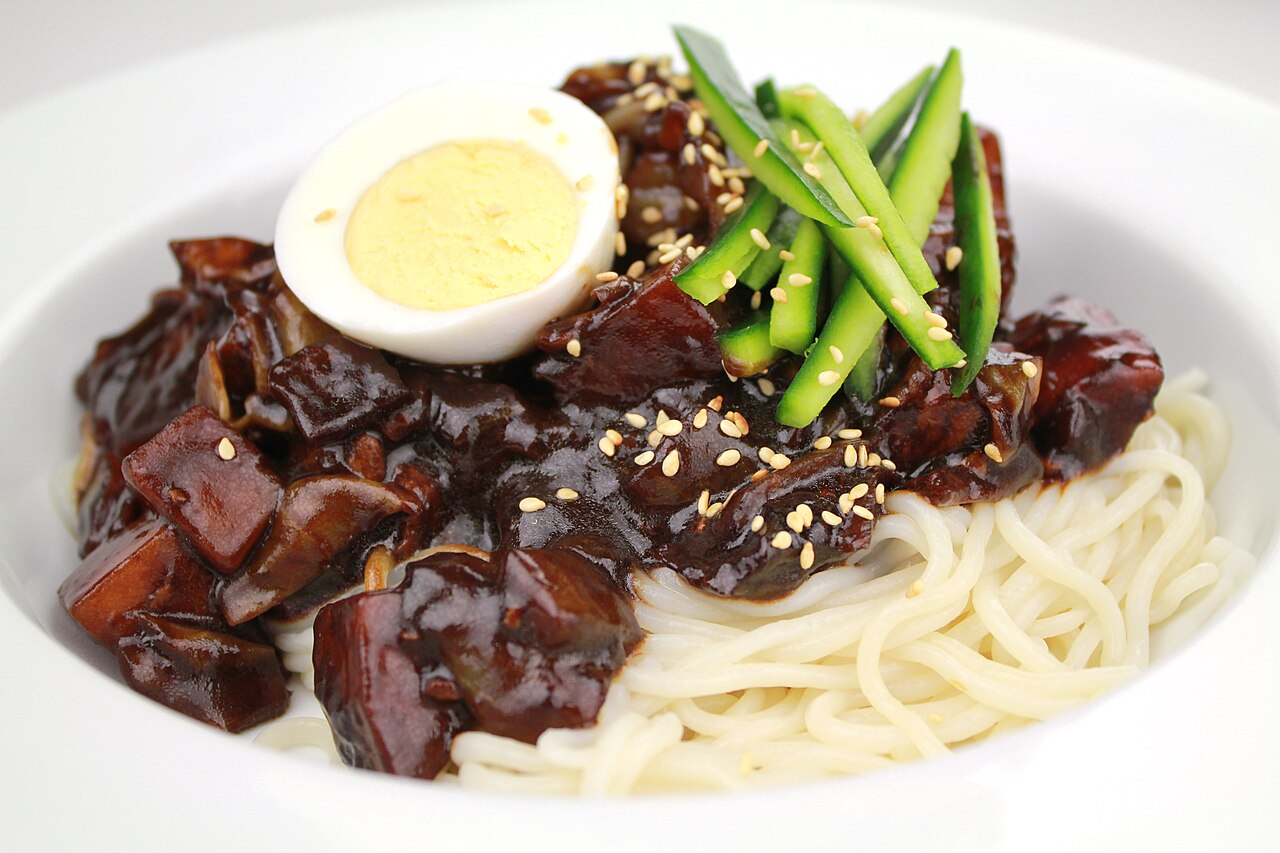
Jajangmyeon (짜장면) is noodles mixed with a glossy black sauce. Korea Tourism Organization calls it the most well-loved Koreanized Chinese food in Korea. Pork, onions and pumpkin are chopped fine and stir-fried with black bean sauce, then mixed with wheat-flour noodles. The sauce is sweet and savory, and the noodles are soft and chewy.
You will see two spellings in Korean, 자장면 and 짜장면, and both are correct. 자장면 was the only standard form until 2011, when the National Institute of Korean Language also accepted 짜장면 because it is the one people actually say. In English you will see jajangmyeon and jjajangmyeon.
Jajangmyeon is part of Korean-style Chinese food, Chinese cooking adapted to Korean tastes, and the menu names below are the ones you will meet next to it.
Dishes that come with jajangmyeon
Gan-jjajang 간짜장
The standard dictionary describes gan-jjajang as a version stir-fried with less moisture than ordinary jajangmyeon. Korea Tourism Organization says it is cooked to order, with black bean sauce, onion, pork and other ingredients stir-fried in oil. The onion stays crisp, the pork tastes savory, and it is typically served with the sauce separate from the noodles, unlike jajangmyeon, where the sauce is poured over them.
Jjamppong 짬뽕
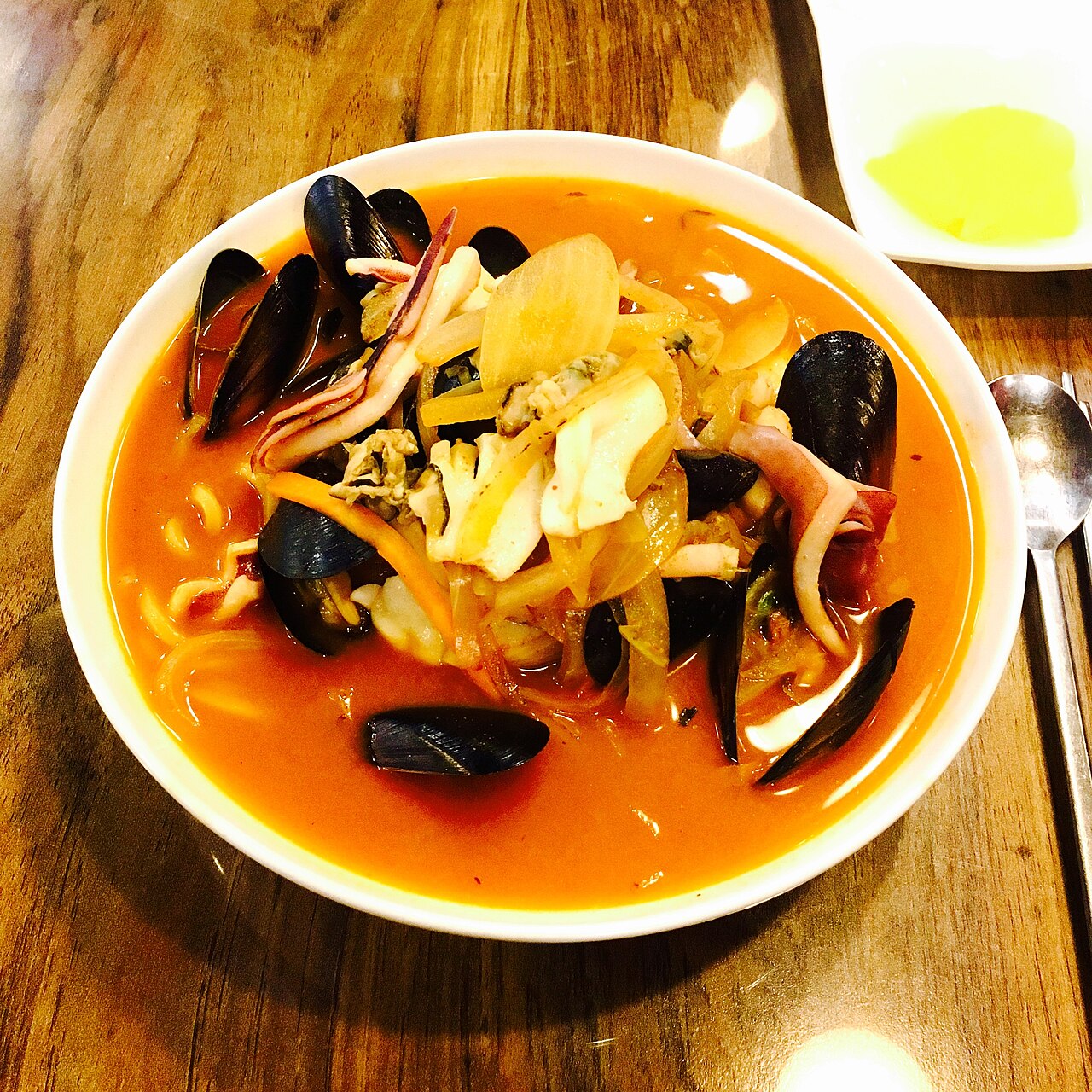
Jjamppong is a noodle soup, not a sauce noodle dish. Seafood or pork and vegetables are stir-fried, then covered with a broth made from pork, beef or chicken bones. The broth is sweet and spicy, and Korea Tourism Organization says that red chili powder and chili oil were added later to suit Korean tastes.
Jjamjjamyeon 짬짜면
Jjamjjamyeon is jjamppong and jajangmyeon in one meal. It comes in a hollow bowl divided in half, with half jjamppong and half jajangmyeon. Korea Tourism Organization says some restaurants serve it so that diners can enjoy both in one meal.
Tangsuyuk 탕수육
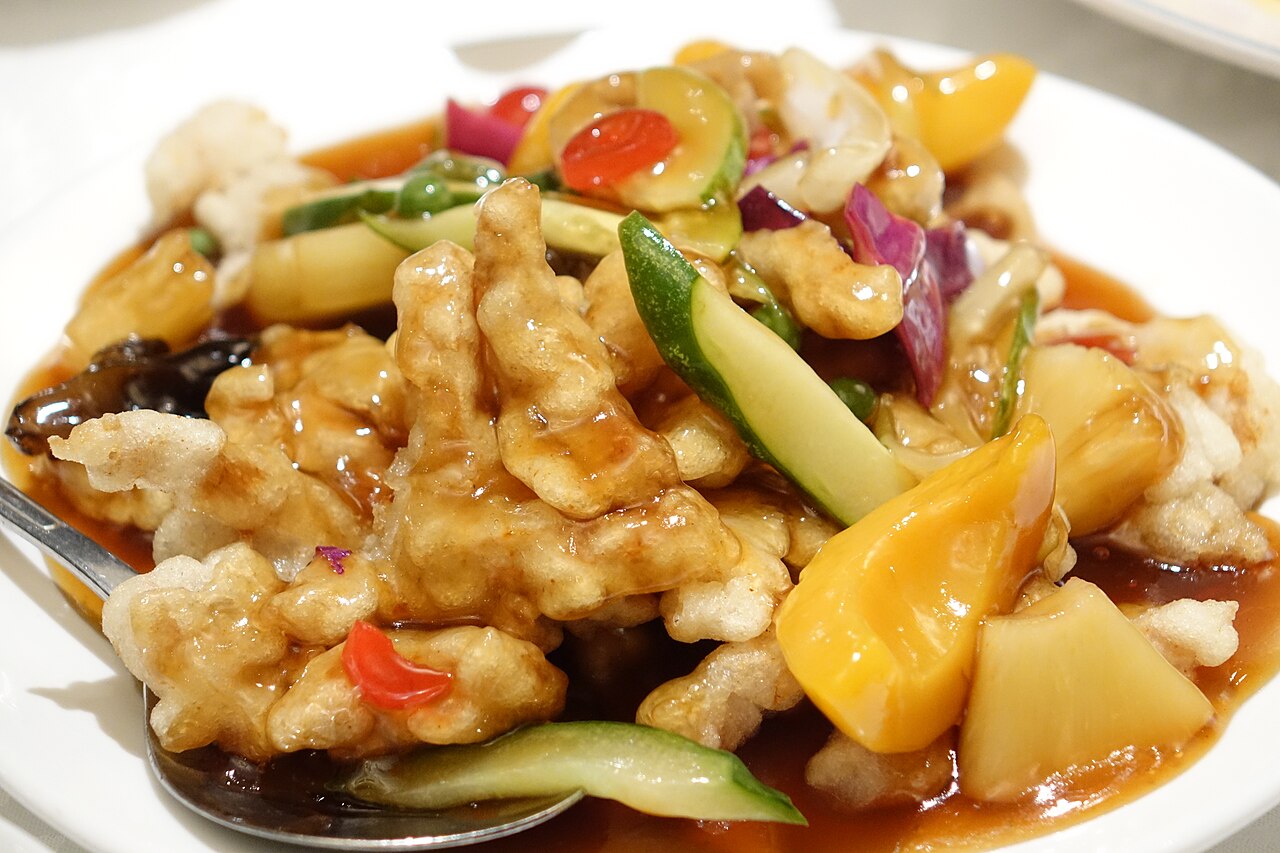
Tangsuyuk is deep-fried pork in a sweet and sour sauce. Pork loin or tenderloin is cut into bite-sized pieces, coated in batter and fried until crisp. The sauce is made with vinegar, sugar and soy sauce, and may have onion, carrot or fruit in it. The sauce can be poured over the pork or served separately.
Jjajang-bap 짜장밥
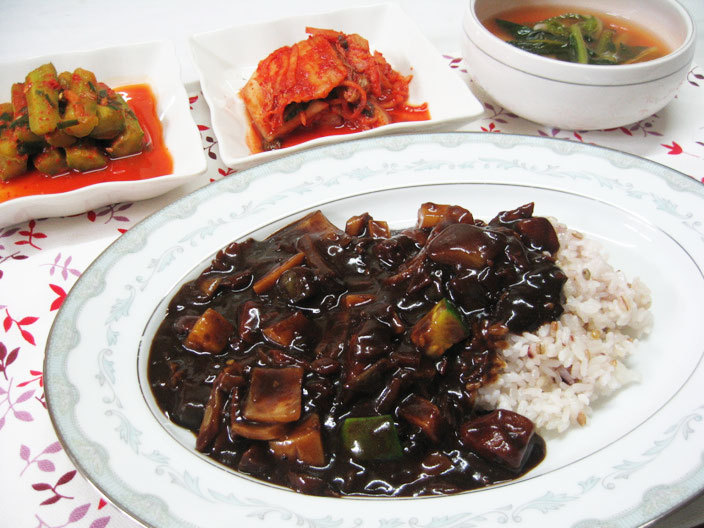
Jjajang-bap is the same sauce on rice instead of noodles. The National Institute of Korean Language describes it as a sauce of Chinese soybean paste, meat, potato, pumpkin and onion, stir-fried and put on top of rice. It is a good choice if you want the flavor of jajangmyeon without noodles.
Jaengban-jjajang 쟁반짜장
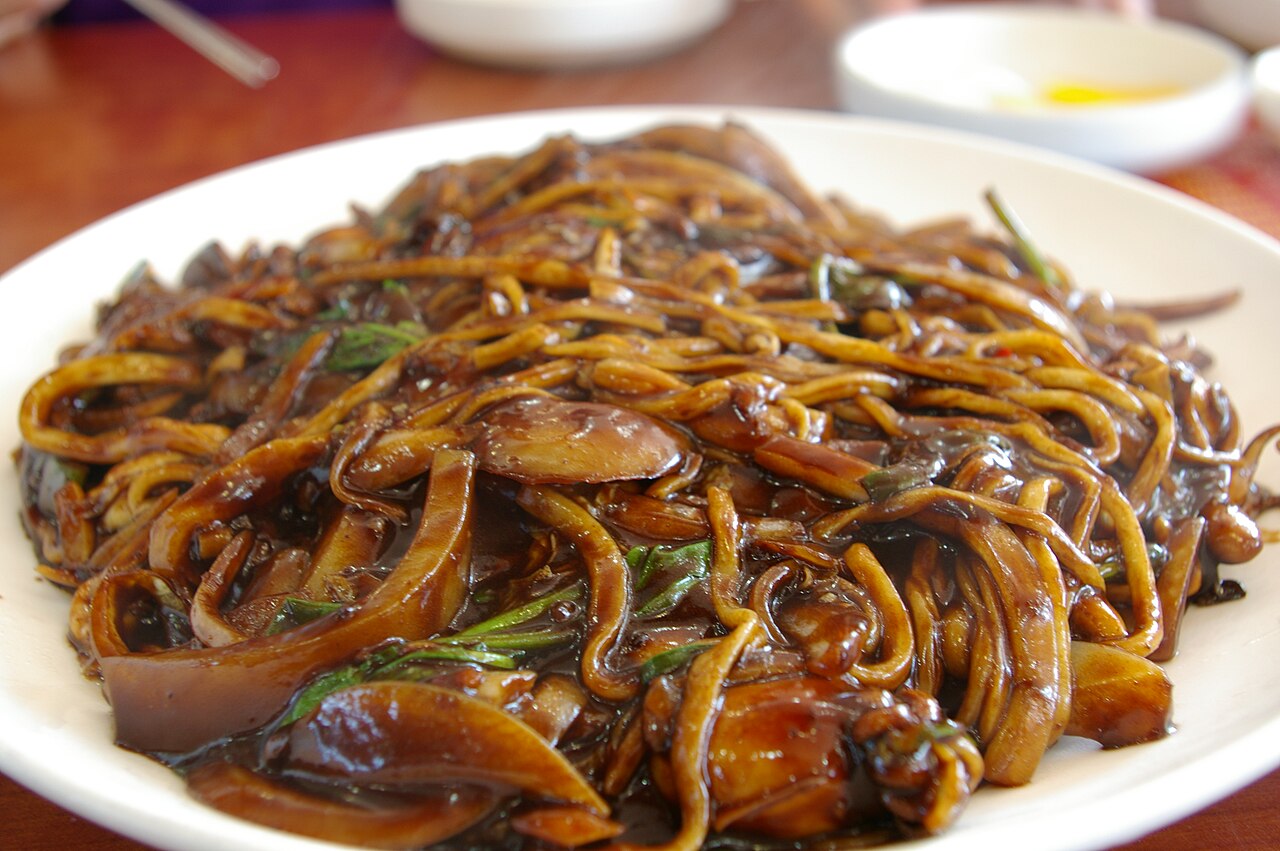
Jaengban (쟁반) means tray. This is jajangmyeon on a big, flat platter, and the National Institute of Korean Language says it is a little thicker than ordinary jajangmyeon. Korea Tourism Organization describes it as a platter for two or more people, often served with seafood. Order it when you are with others.
How to eat and order
Order by the name and pay at the counter or table. Jaengban-jjajang is for two or more people, so check the menu before you order it alone.
Mix the sauce through the noodles before the first bite, so every strand is coated. With gan-jjajang the sauce comes in a separate bowl, so pour it over the noodles yourself. The sauce for tangsuyuk can be poured over the pork or served separately, so you can ask for it that way.
Menus may write the name as 자장면 or 짜장면, and both mean the same dish. If you cannot choose between jajangmyeon and jjamppong, jjamjjamyeon gives you half of each.
Average price in Seoul
₩7,731 Black bean noodles, Aug 2026
Seoul average, Korea Consumer Agency, Aug 2026, for a standard serving.
Where to find it
Restaurants on Seoul's official lists (Seoul Future Heritage, Centennial Store, Model Restaurant), one near each area, reviewed 16 Oct 2026. The type is our label; check the menu before you go.
- 안동장 Chinese-Korean, 1 min walk from Euljiro. Seoul Future Heritage · Model Restaurant (Seoul) · Google Maps
- 진가 Chinese-Korean, 2 min walk from Yeonnam-dong. Model Restaurant (Seoul) · Google Maps
- 차슈밍 Chinese-Korean, 4 min walk from Gangnam Station. Model Restaurant (Seoul) · Google Maps
- 난향 Chinese-Korean, 4 min walk from Sinchon & Ewha. Model Restaurant (Seoul) · Google Maps
- 착한짜장 Chinese-Korean, 4 min walk from Seongsu-dong Cafe Street. Model Restaurant (Seoul) · Google Maps
- 호신각 Chinese-Korean, 7 min walk from COEX & Starfield Library. Model Restaurant (Seoul) · Google Maps
- 마오 Chinese-Korean, 7 min walk from Haebangchon & Gyeongnidan-gil. Model Restaurant (Seoul) · Google Maps
- 일일향 Chinese-Korean, 8 min walk from Lotte World Tower & Seokchon Lake. Model Restaurant (Seoul) · Google Maps
Checked 6 Nov 2026.
More Korean dishes
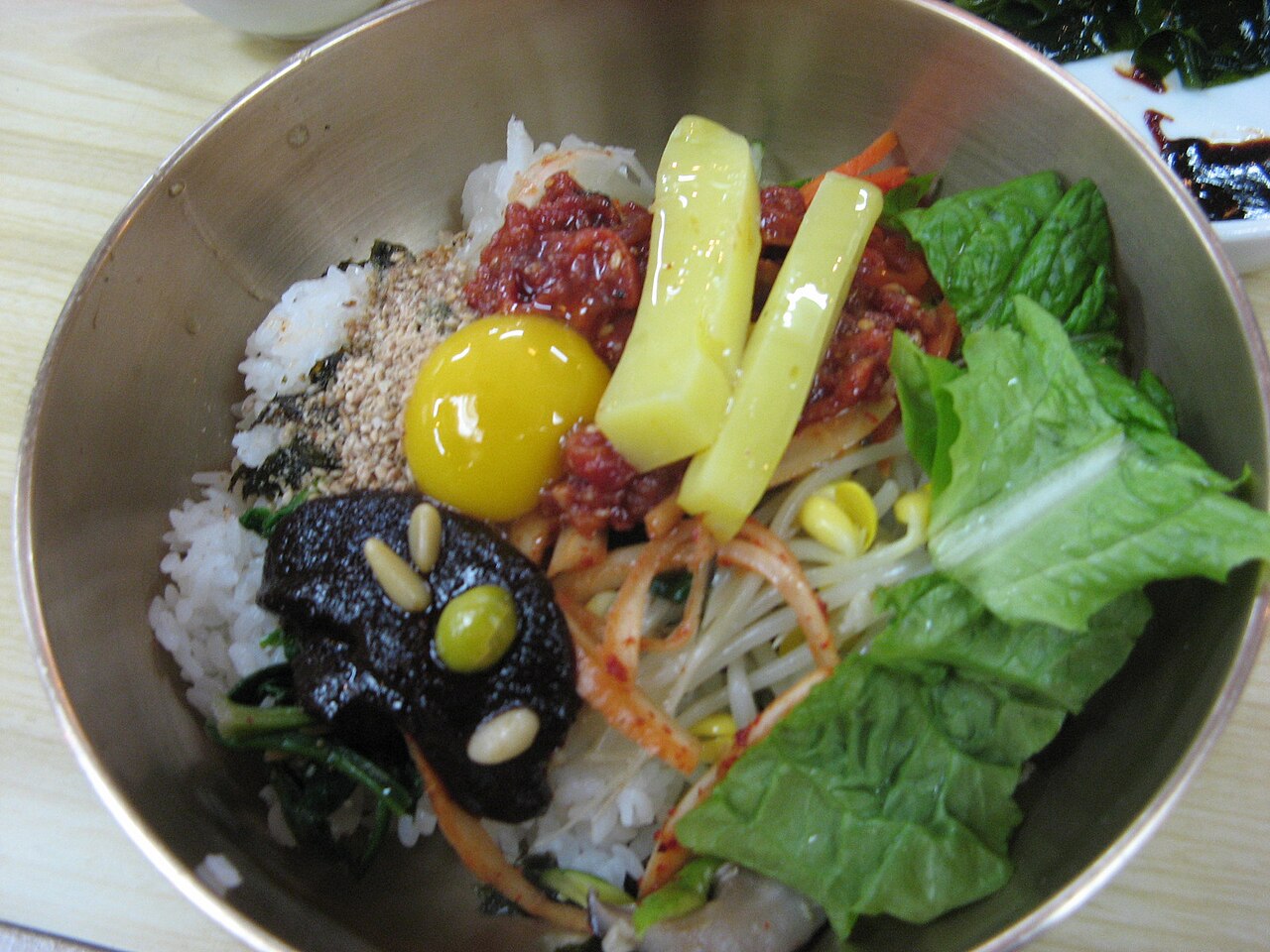
Bibimbap 비빔밥
Bibimbap is rice topped with seasoned vegetables and meat, mixed with gochujang.
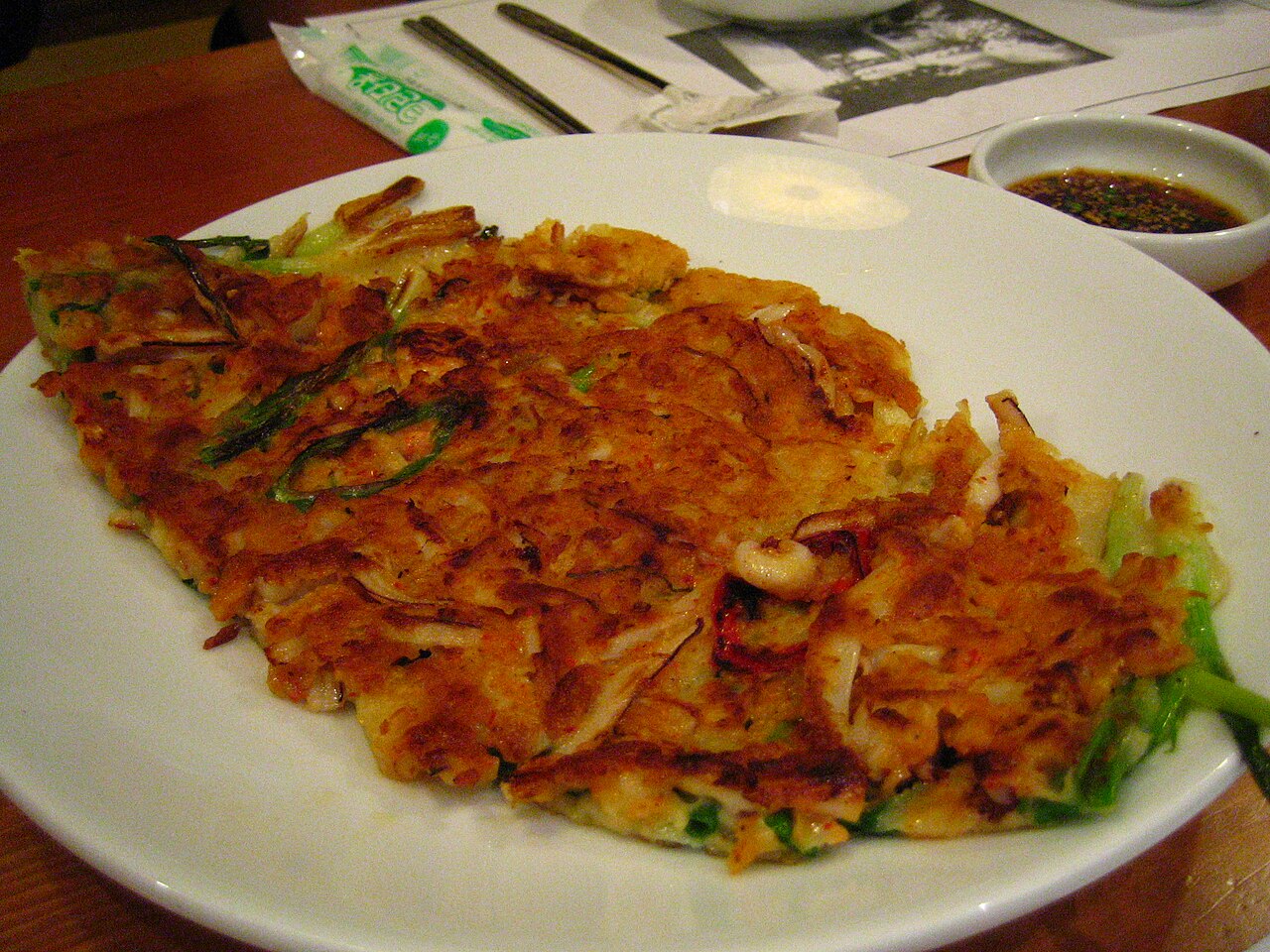
Bindaetteok 빈대떡
Bindaetteok is Korea's mung bean pancake, and jeon are pan-fried savory pancakes.
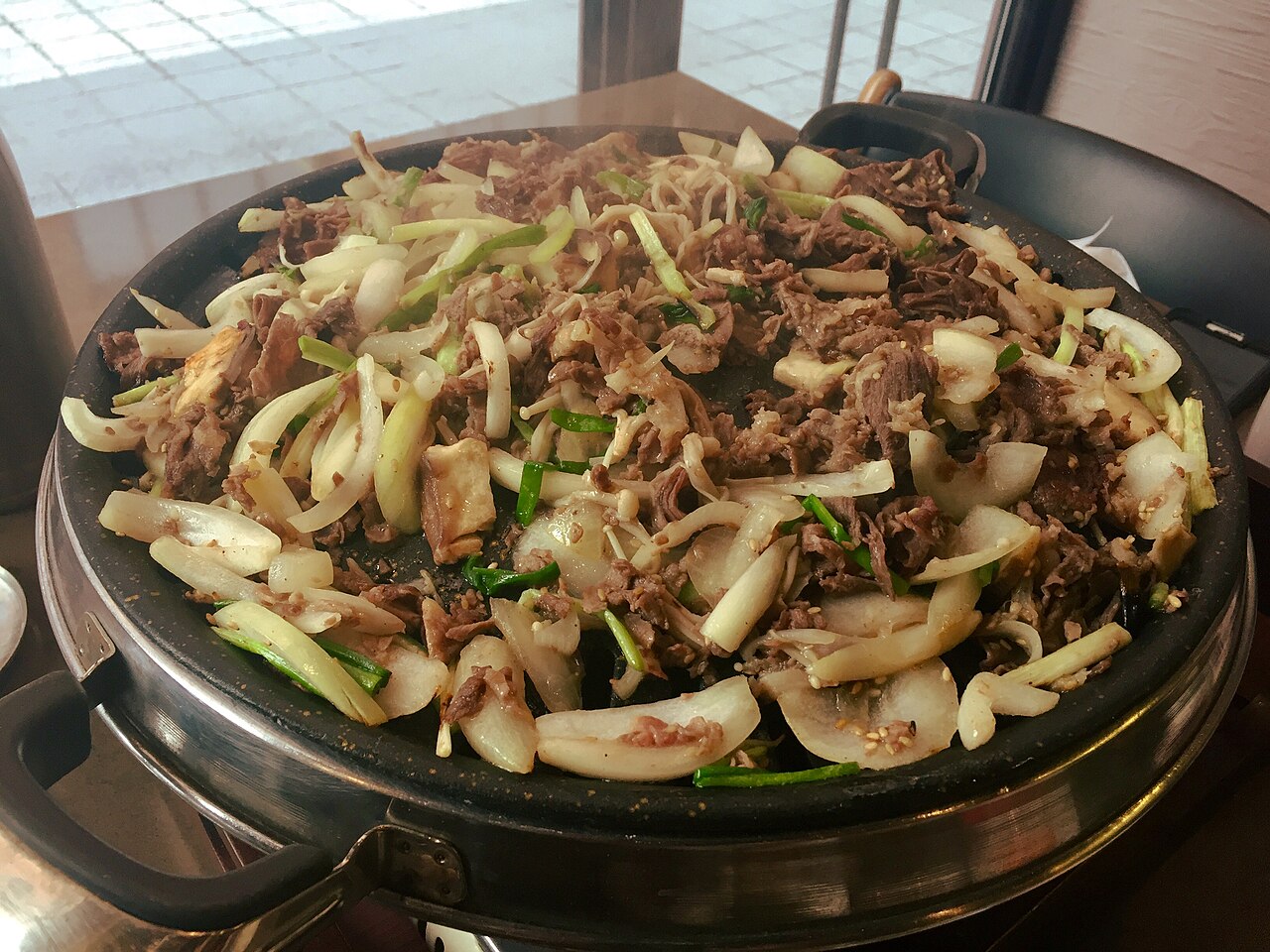
Bulgogi 불고기
Bulgogi is Korean marinated beef, grilled or simmered.
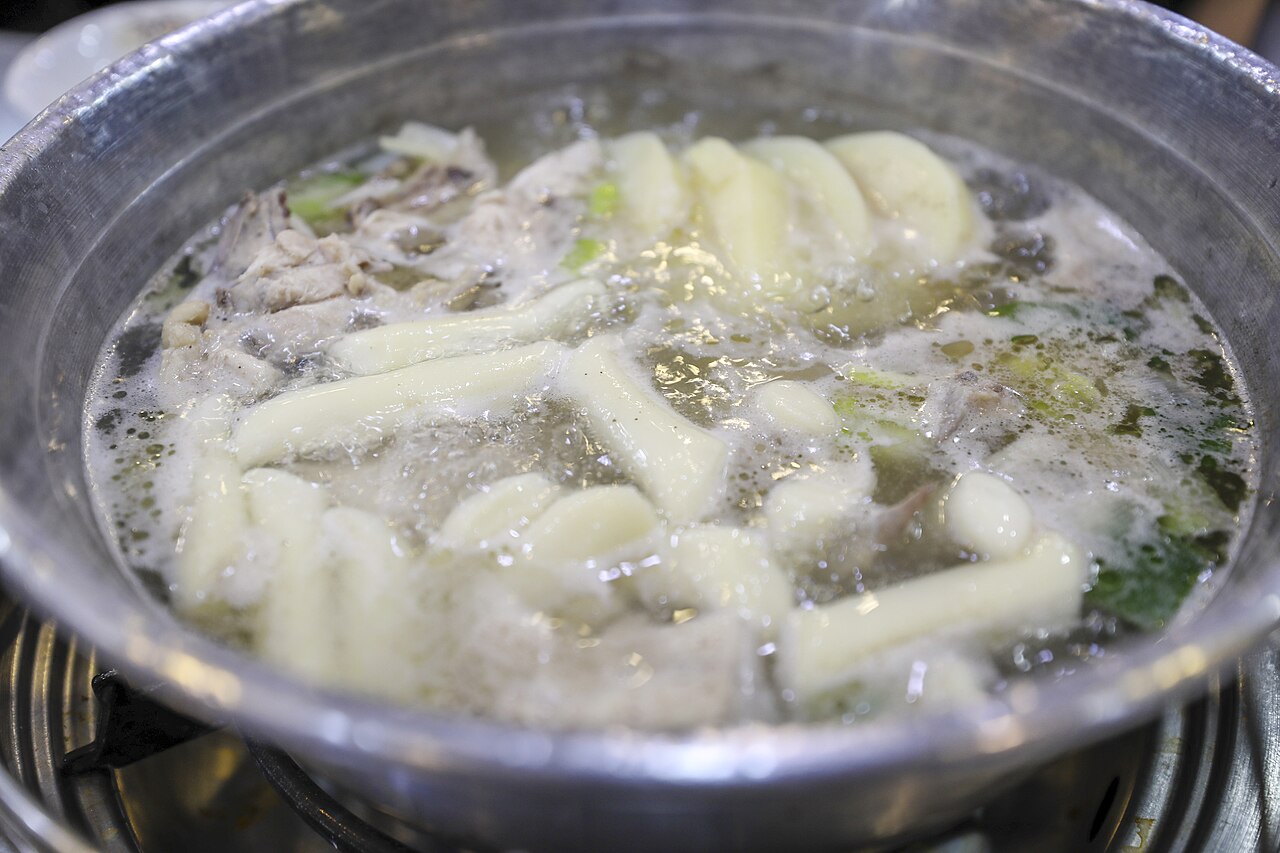
Dakhanmari 닭한마리
Dakhanmari is a whole chicken cooked at your table in a large pot, then finished with noodles.
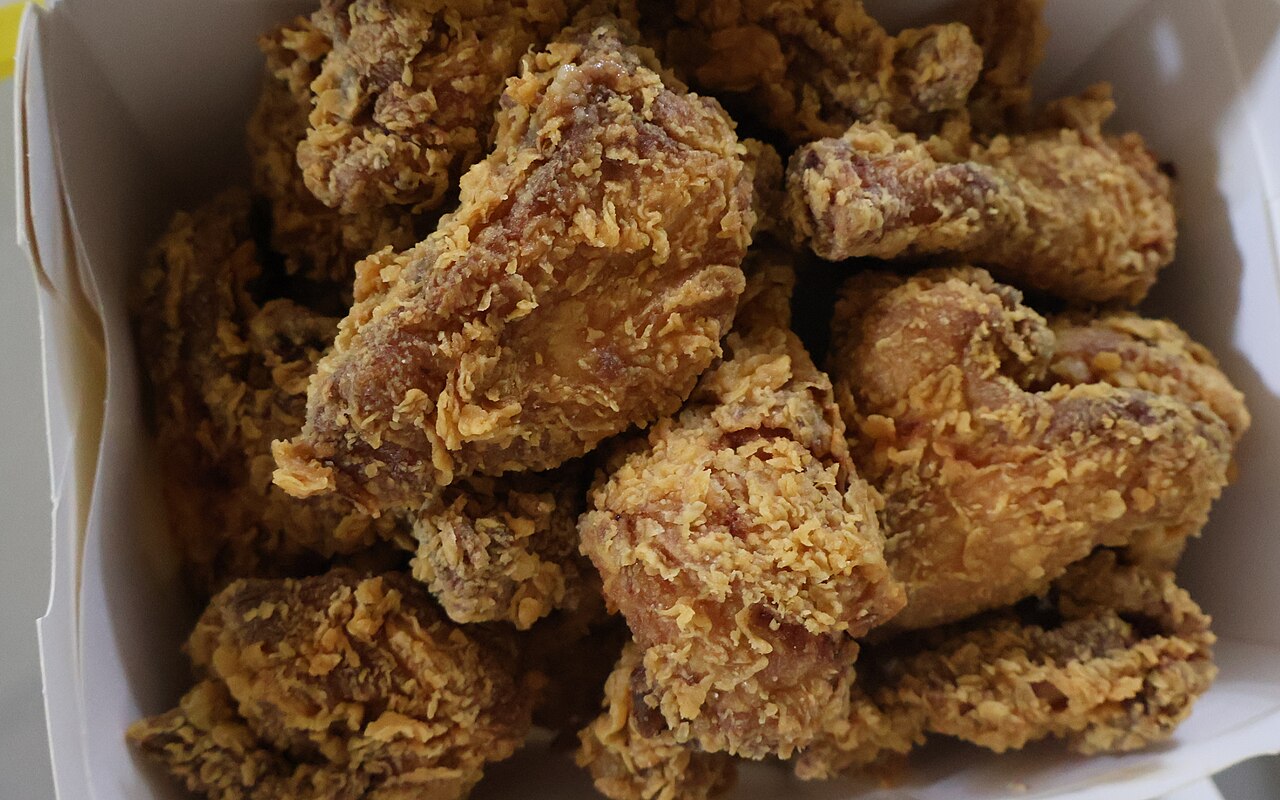
Korean fried chicken 치킨
Korean fried chicken (chikin, 치킨) is crunchy and comes in many flavors.
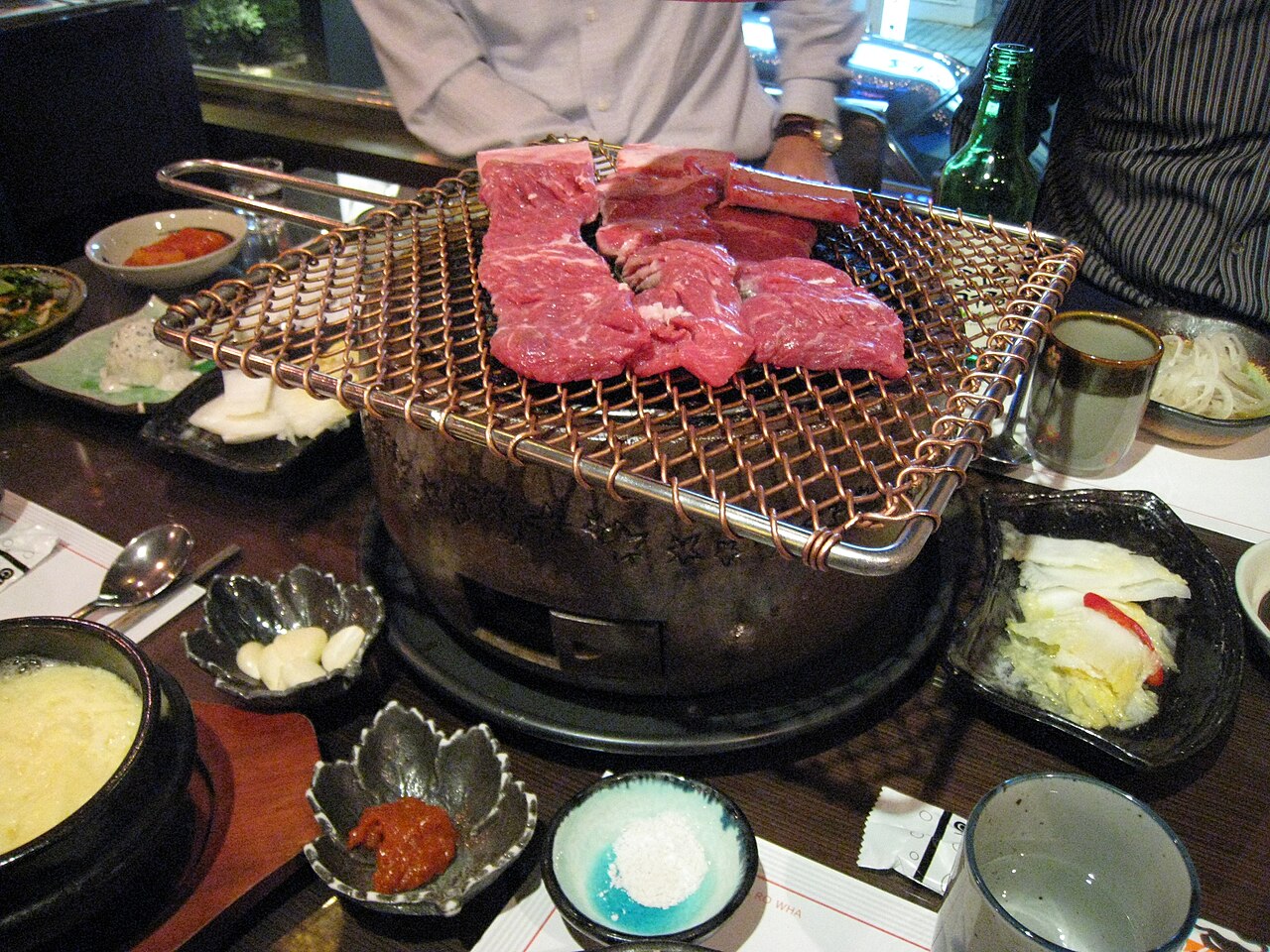
Galbi 갈비
Galbi is Korea's grilled rib barbecue.
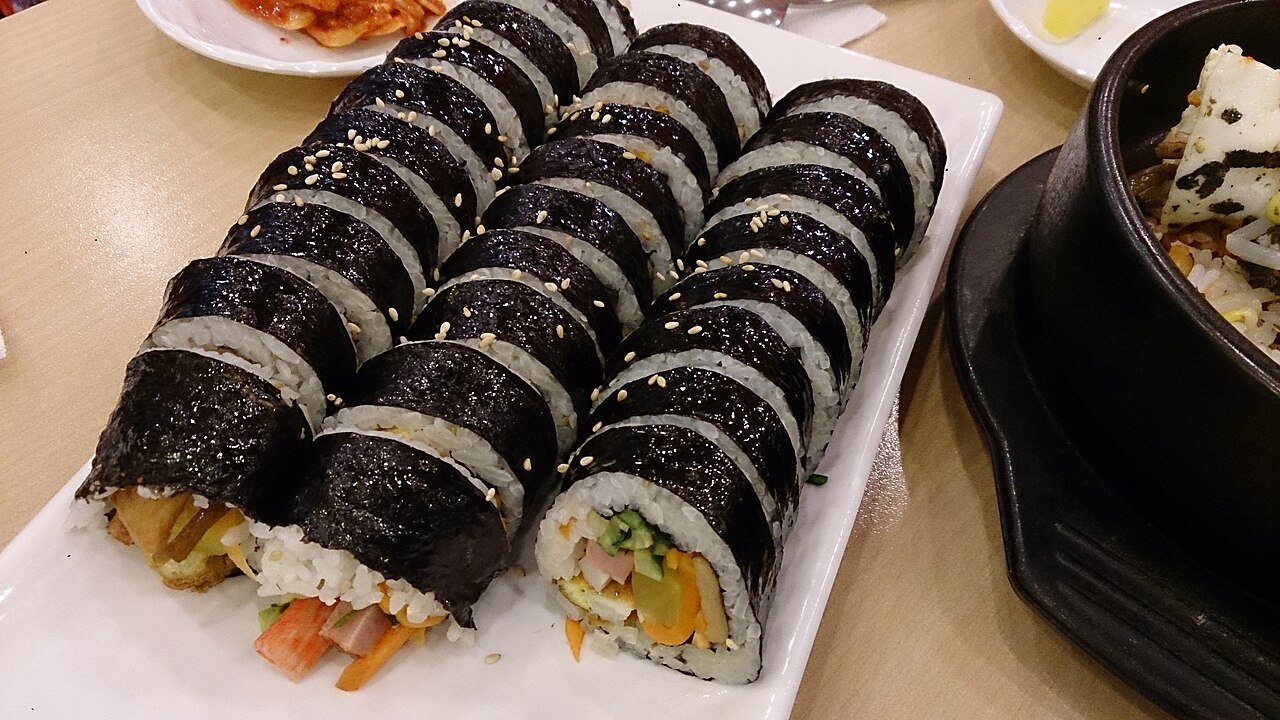
Gimbap 김밥
Gimbap is Korea's seaweed rice roll, sliced into bite-sized pieces.
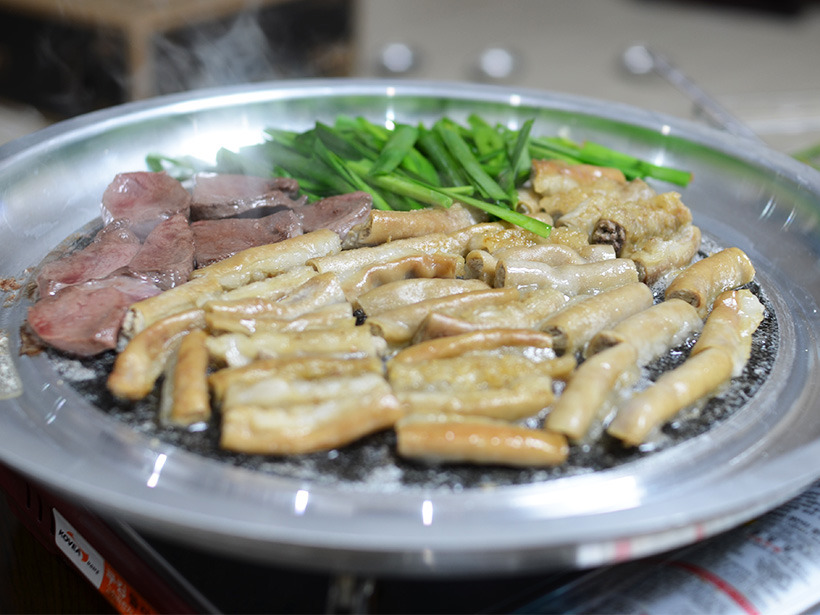
Gopchang 곱창
Gopchang are the small intestines of a cow or pig, eaten grilled, stir-fried or in a hot pot.
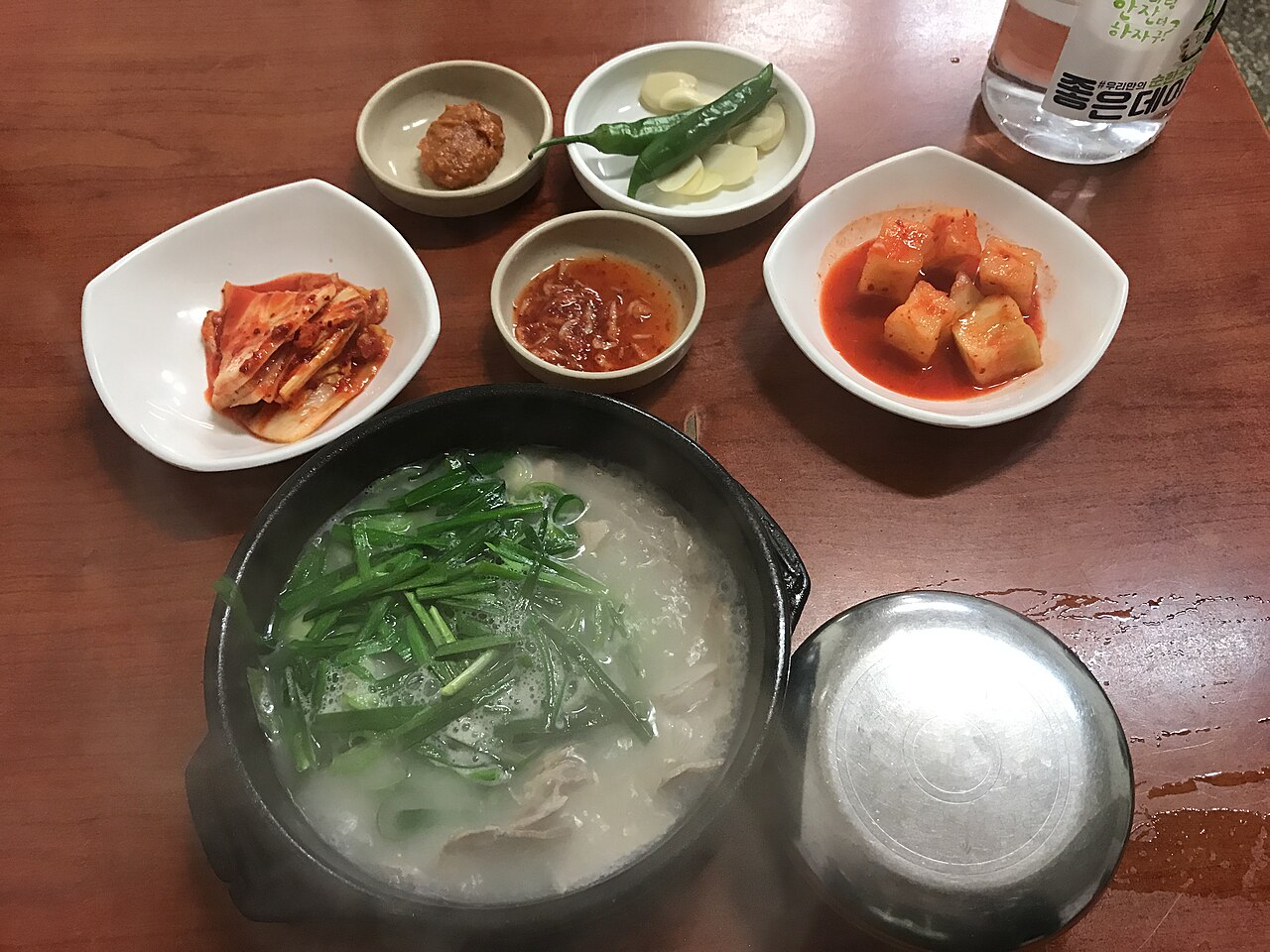
Gukbap 국밥
Gukbap is Korea's hot soup-and-rice meal.
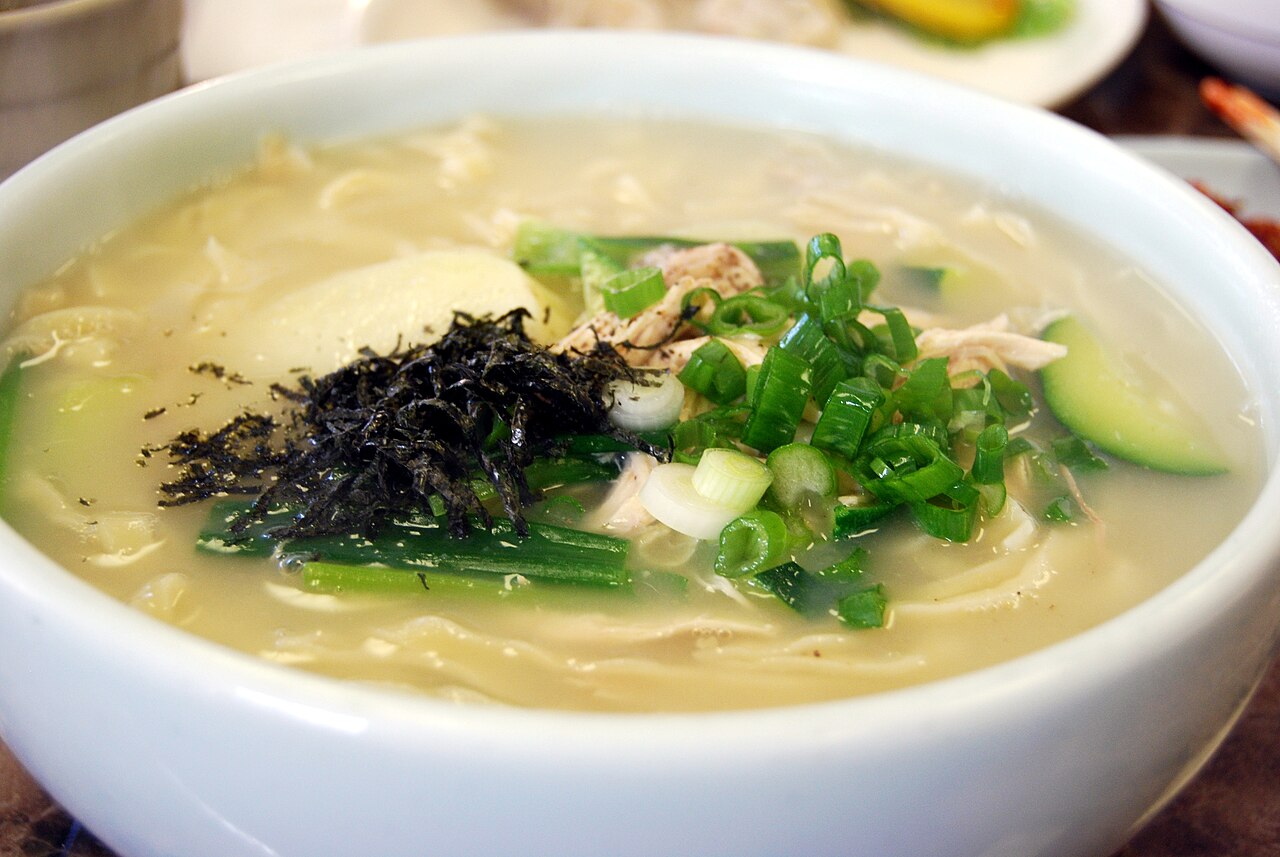
Kalguksu and mandu 칼국수·만두
Kalguksu is Korea's knife-cut noodle soup, and mandu are Korean dumplings.
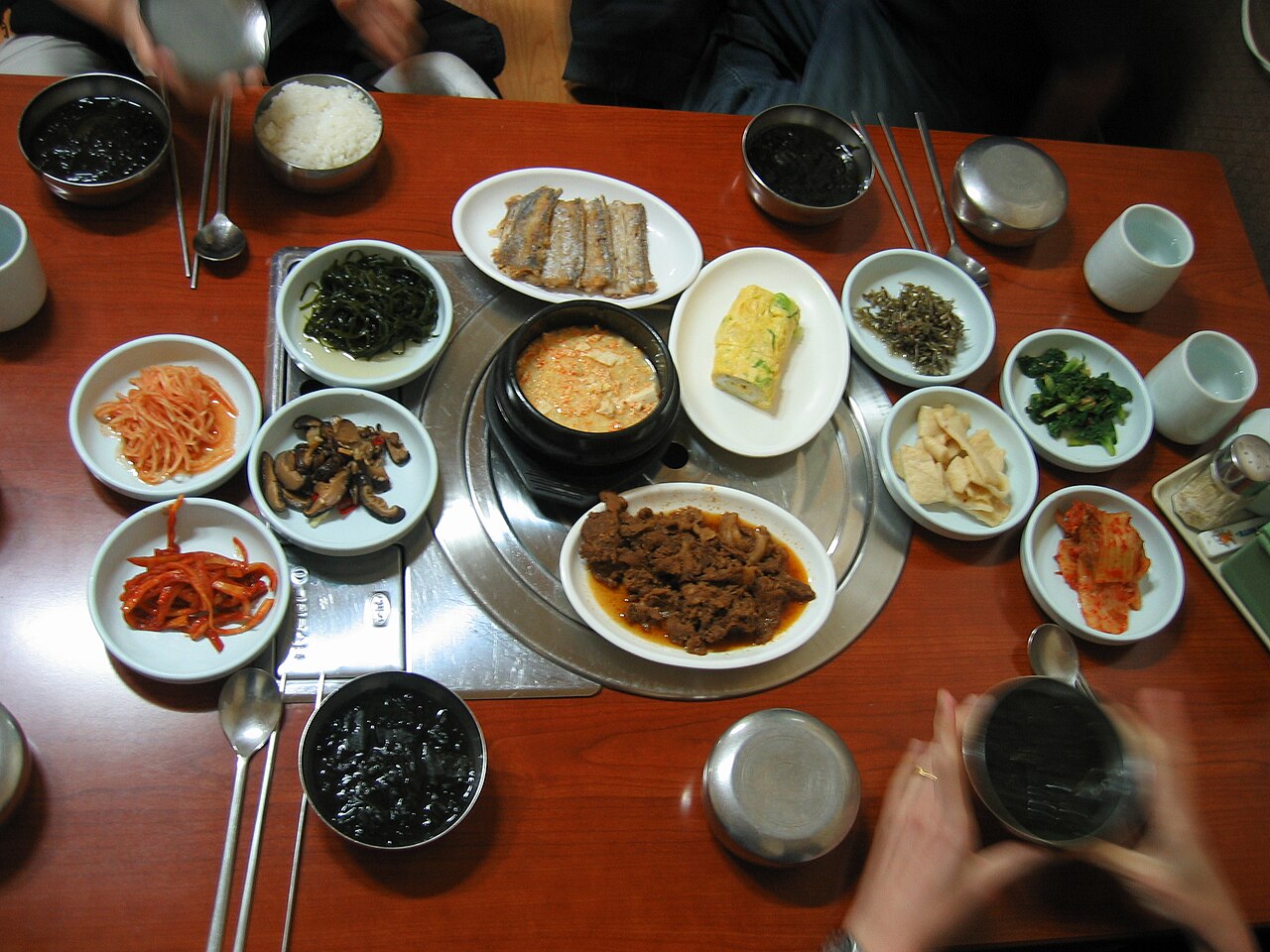
Baekban and hanjeongsik 백반·한정식
A Korean set meal is rice, soup and many side dishes.
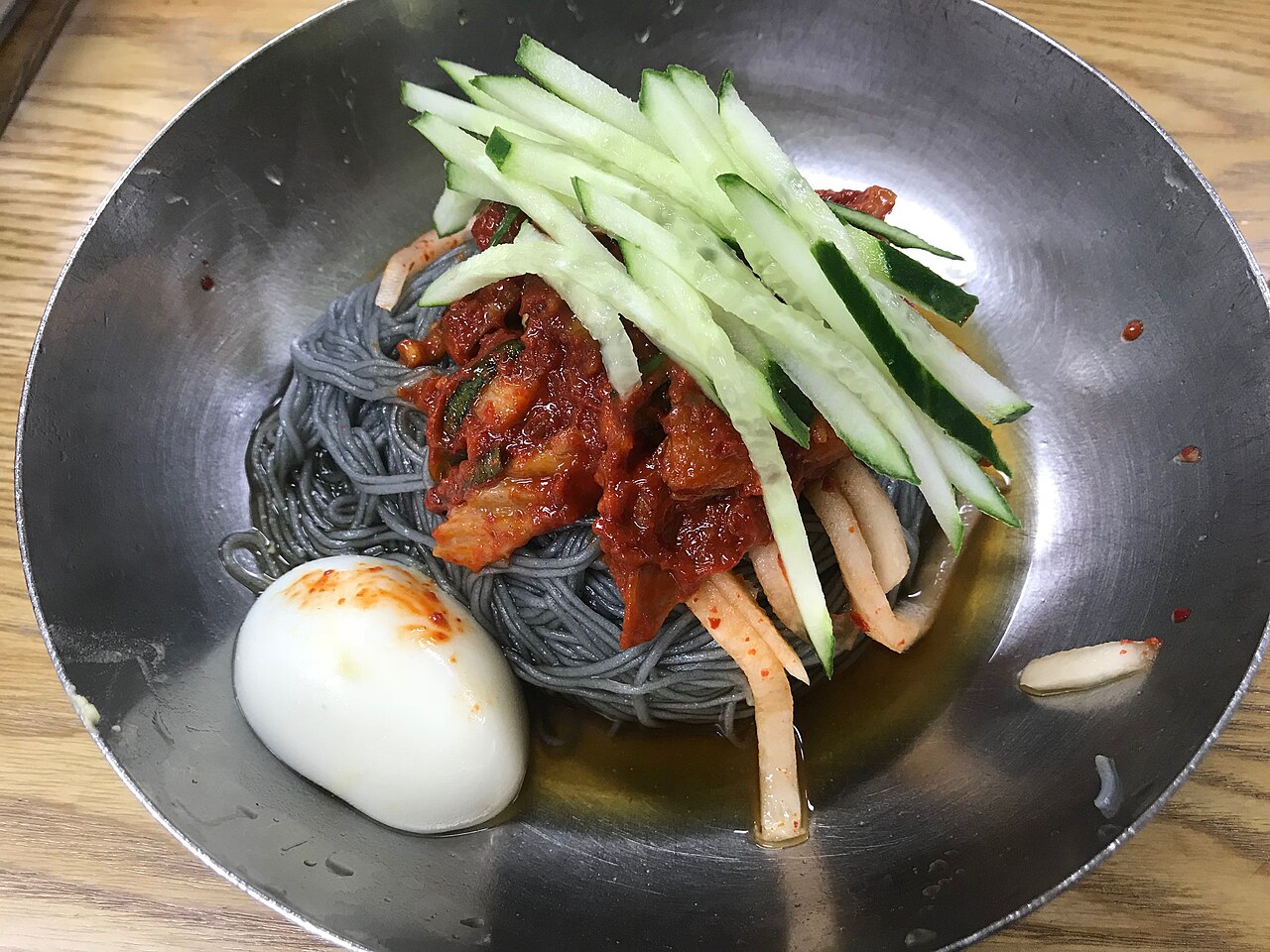
Naengmyeon 냉면
Naengmyeon is Korea's chilled noodle dish.
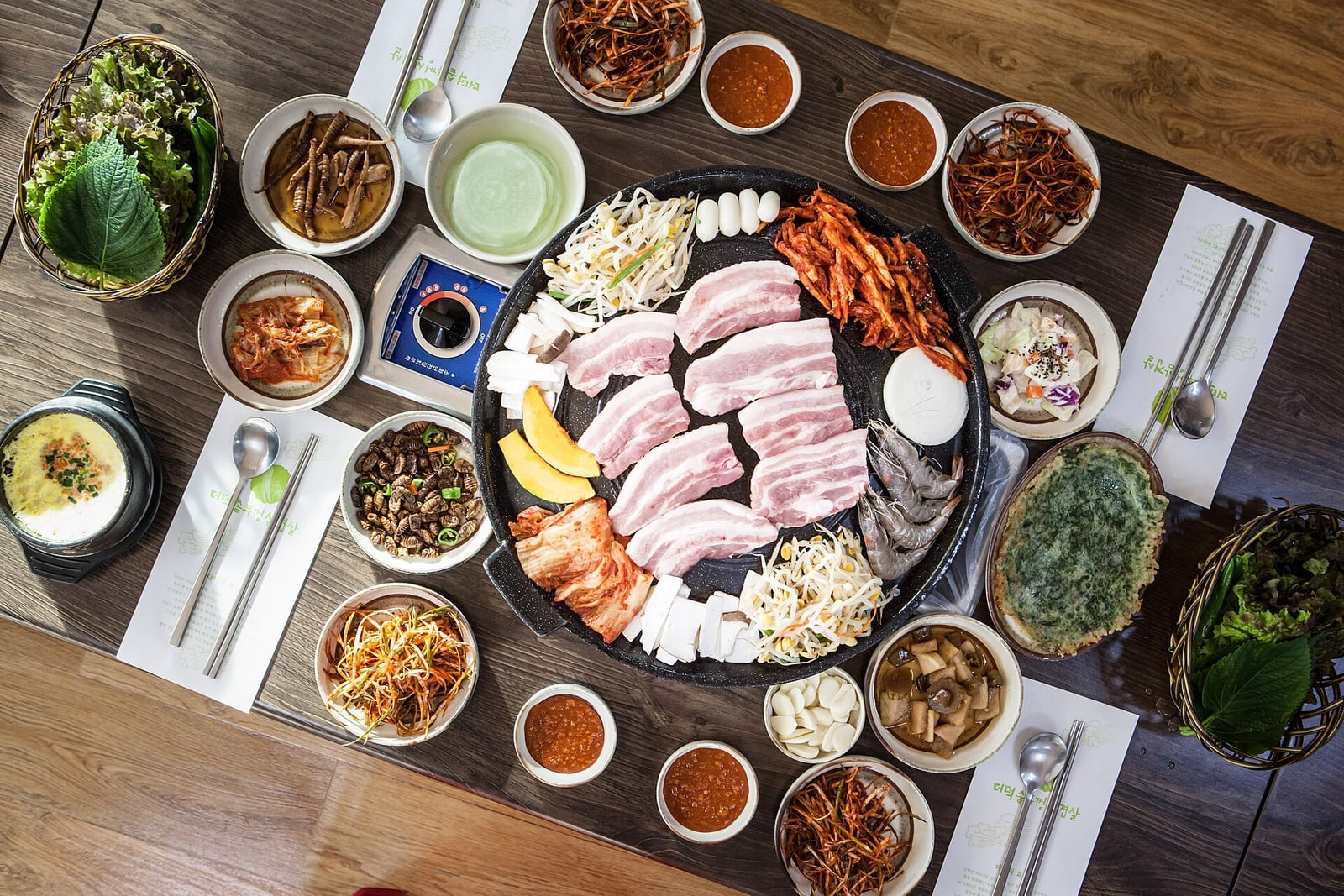
Samgyeopsal 삼겹살
Samgyeopsal is grilled pork belly, Korea's most popular barbecue.
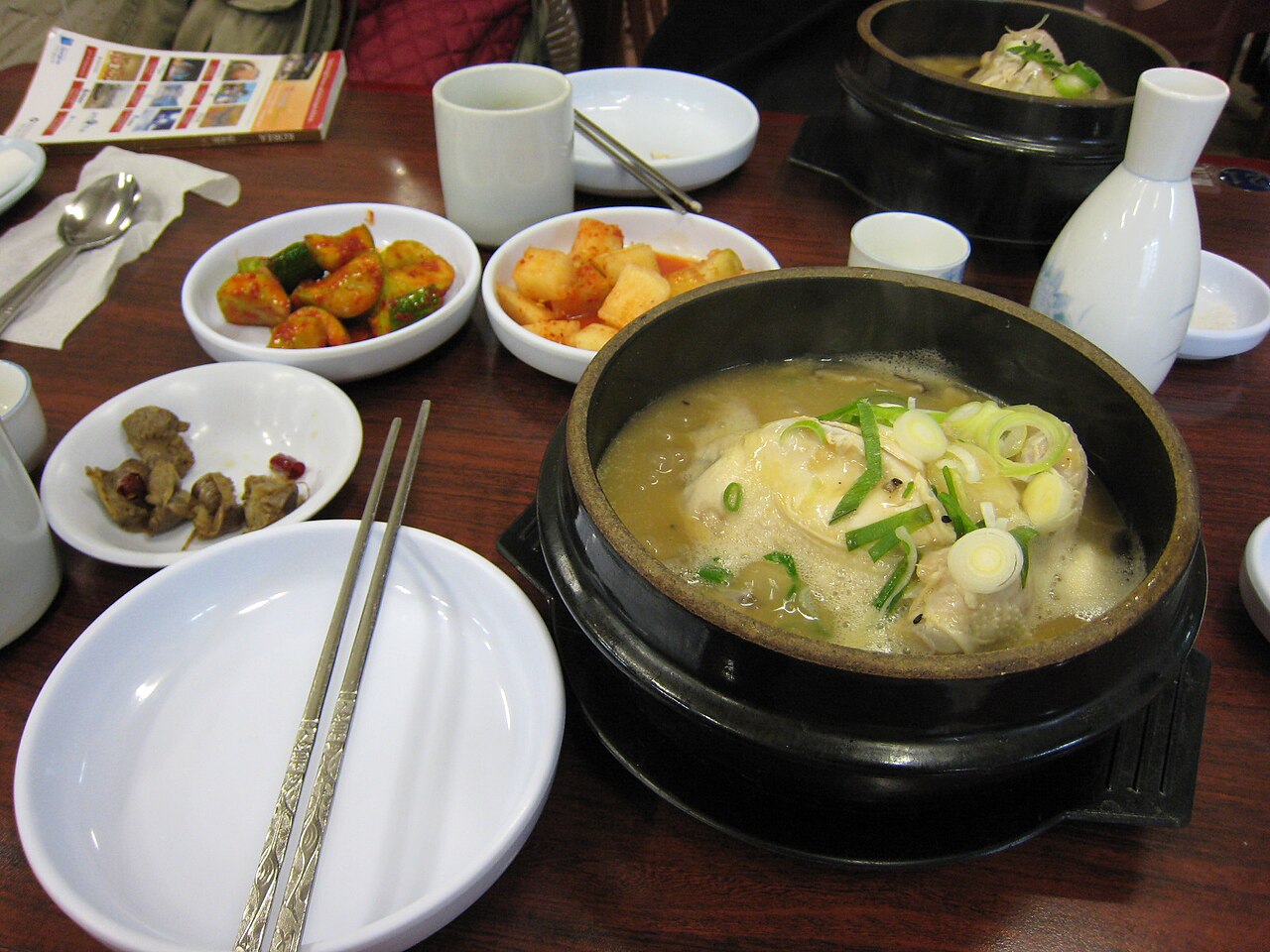
Samgyetang 삼계탕
Samgyetang is a whole young chicken simmered with ginseng, jujubes and sweet rice.
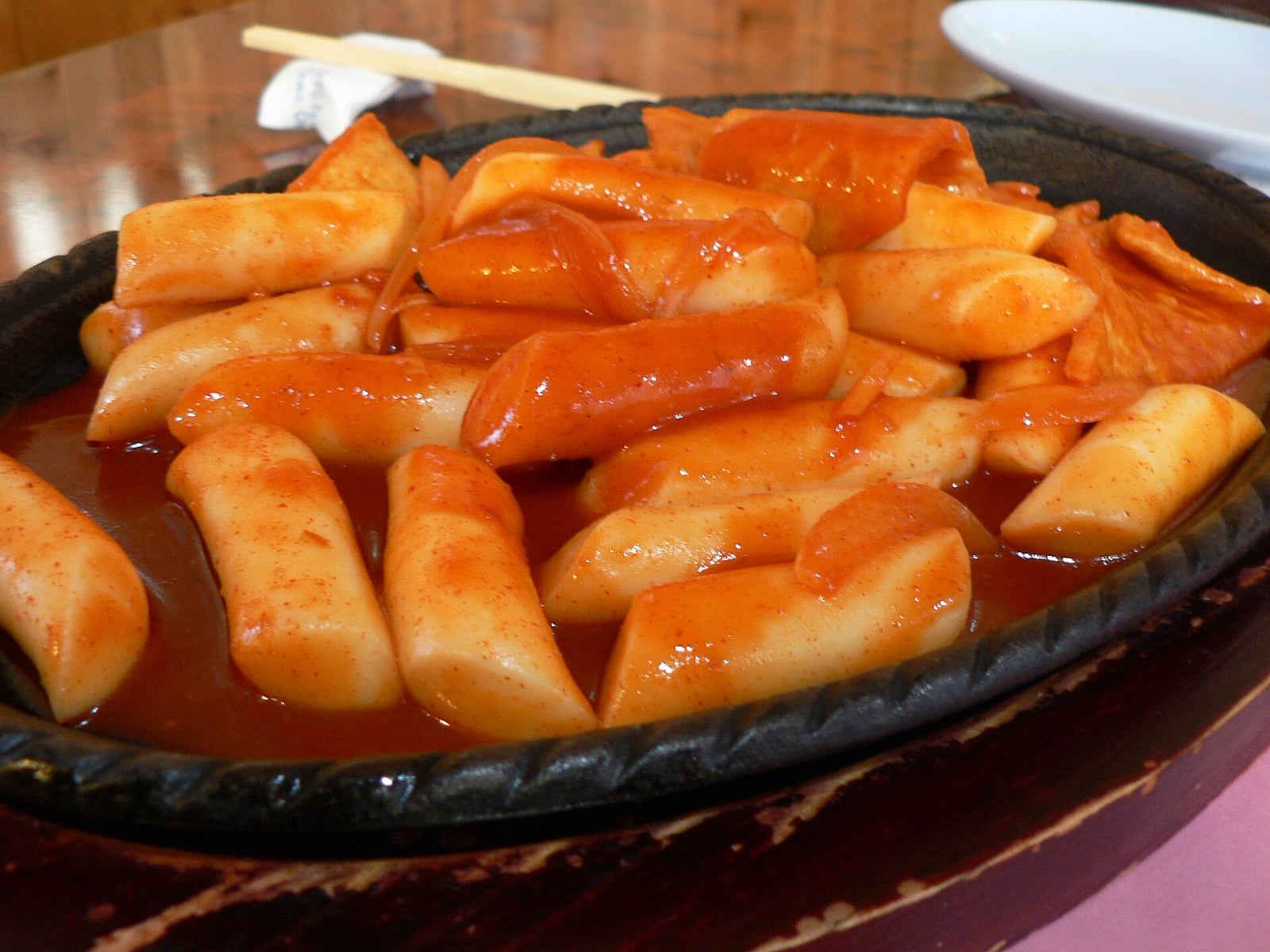
Tteokbokki 떡볶이
Tteokbokki is Korea's chewy rice cake street snack.
Photo credits
- Main photo: KFoodaddict, CC BY 2.0, Wikimedia Commons
- Jjamppong: Jungyeon, CC0, Wikimedia Commons
- Tangsuyuk: 최광모, CC0, Wikimedia Commons
- Jjajang-bap: 경빈마마, CC BY 4.0, Wikimedia Commons
- Jaengban-jjajang: by 아침꿀물 at Flickr, CC BY-SA 3.0, Wikimedia Commons