Baekban and hanjeongsik 백반·한정식
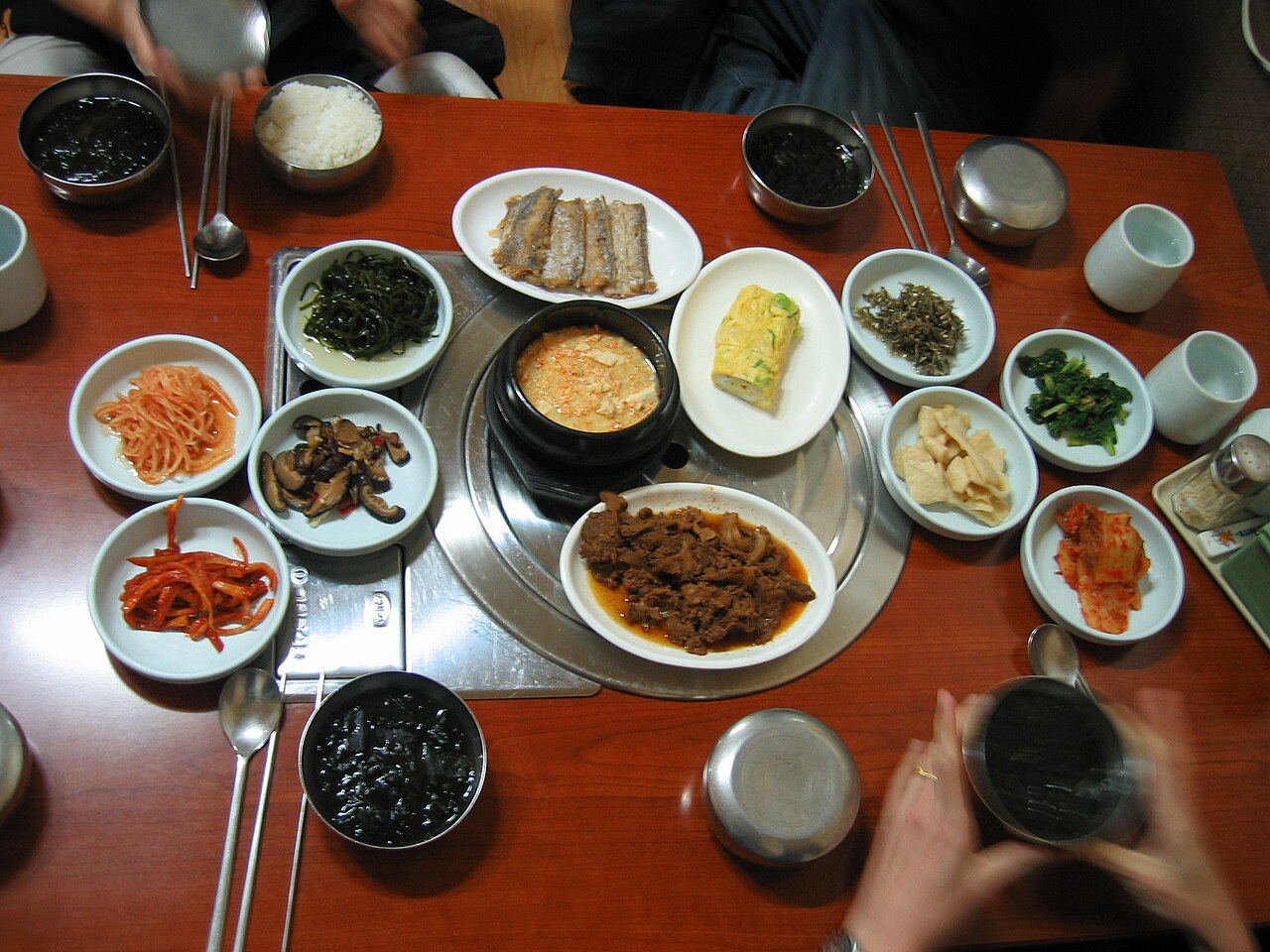
A Korean set meal is built around rice (bap, 밥), a soup or stew and a group of small side dishes called banchan (반찬). Everything arrives at the same time and you eat it together, a bite of rice with a bite of side dish or soup. The meals below are different in size and price, but they are served in this same way.
Most of them are ordered once per person and come with the rice, the stew and the sides included. You do not choose the sides: the kitchen puts out what it has that day, and it changes with the season.
Some names mean a plain, cheap lunch and some mean a big meal for a special day, so it helps to know the difference before you sit down.
Kinds of Korean set meals
Baekban 백반
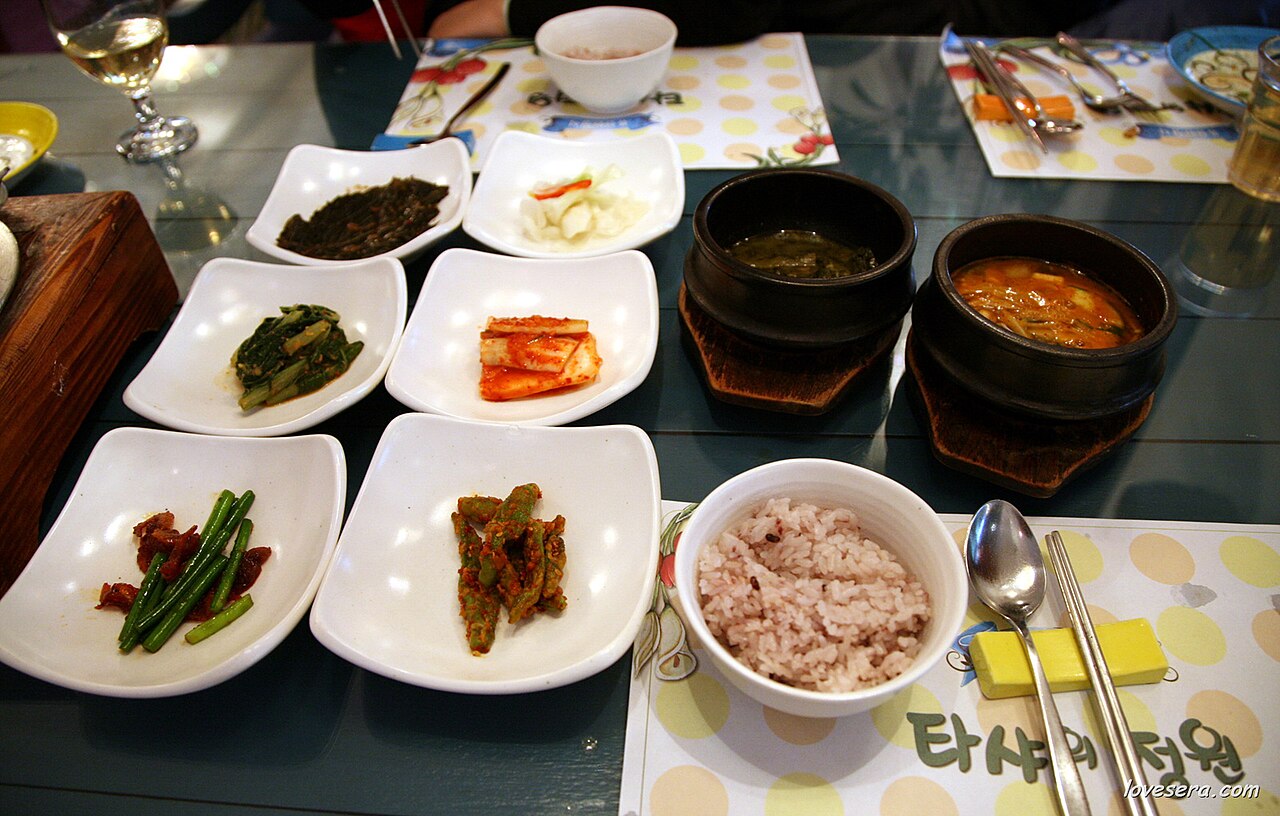
Baekban (백반) is the everyday Korean meal: a bowl of rice, a soup or stew, and several side dishes. It is what many office workers and families eat for lunch. Some restaurants name the main dish, such as kimchi-jjigae baekban (김치찌개 백반), a kimchi stew set, and others serve a fixed daily set with no choice.
Hanjeongsik 한정식
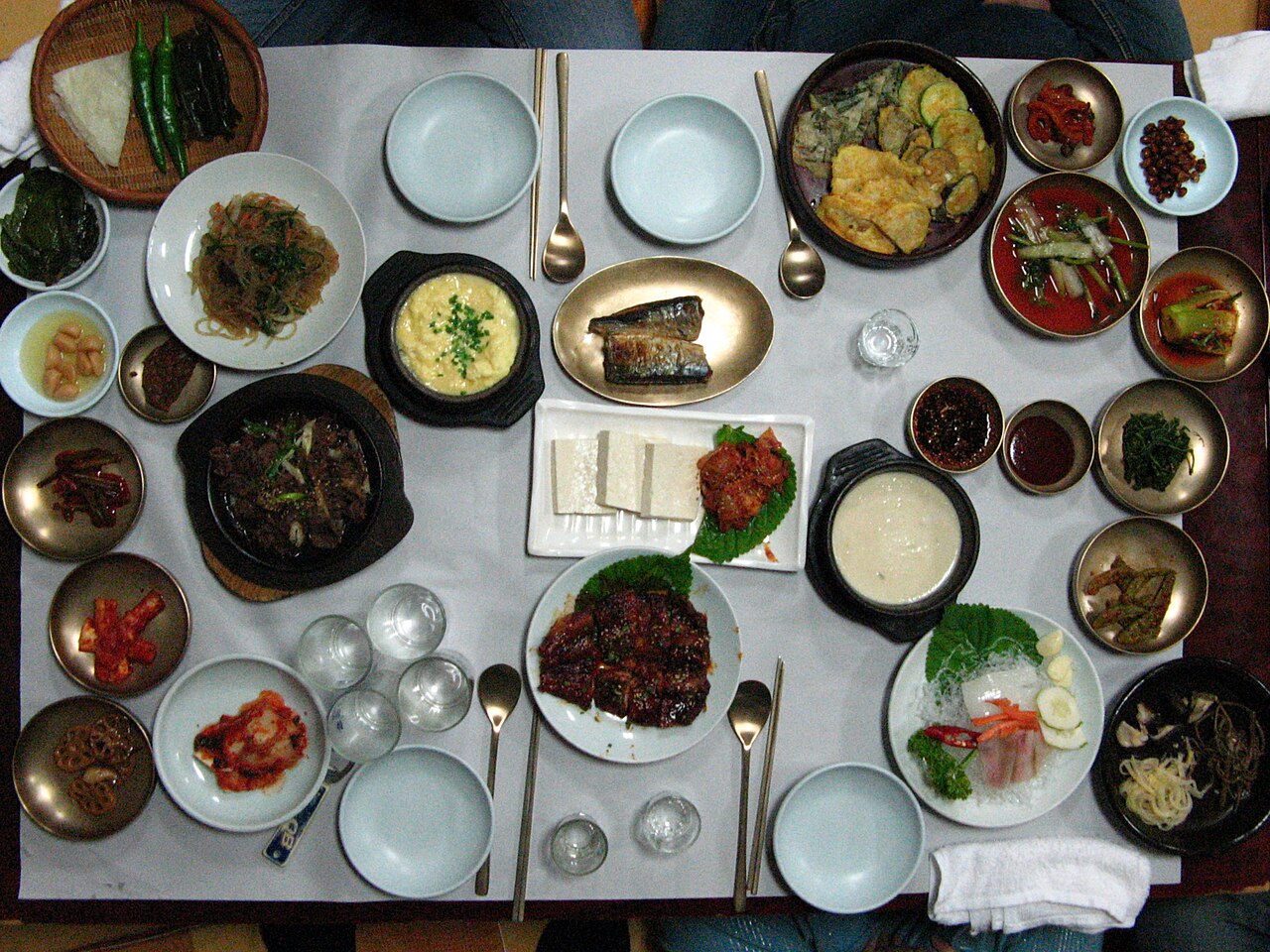
Hanjeongsik (한정식) is a full Korean table d'hôte, with a large number of dishes put out together, or in courses at some restaurants. It usually has grilled fish or meat, braised dishes, pancakes, steamed egg, vegetables and soup, with rice at the end. It costs much more than baekban and is for family dinners and special occasions, so some restaurants ask you to book ahead and order for two or more.
Ssambap 쌈밥
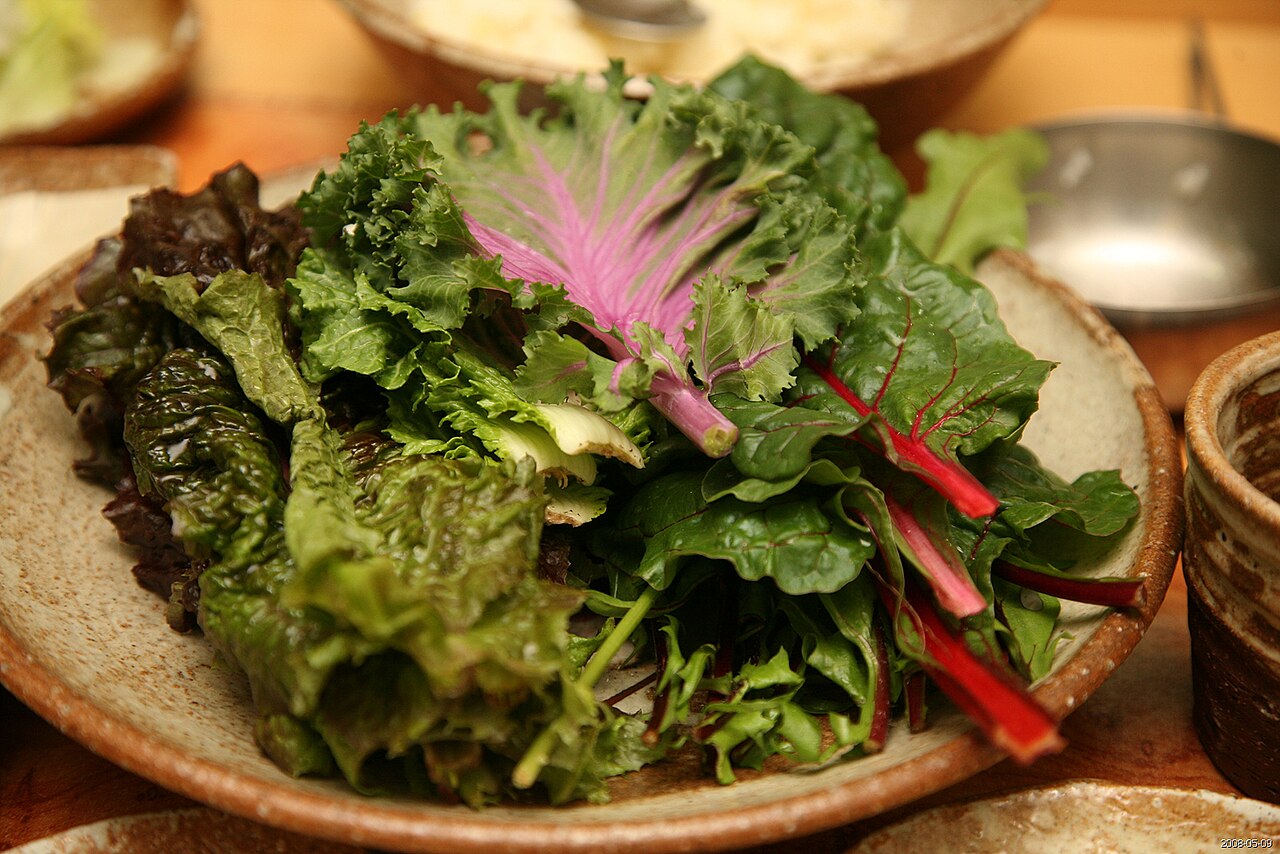
Ssambap (쌈밥) means wrapped rice. You get a plate of fresh leaves such as lettuce and perilla, a pot of rice, a spicy-savory paste called ssamjang (쌈장) and a stew, and you make your own wraps. Put a little rice, paste and a side dish or grilled meat on a leaf, fold it up and eat it in one bite.
Bibimbap 비빔밥
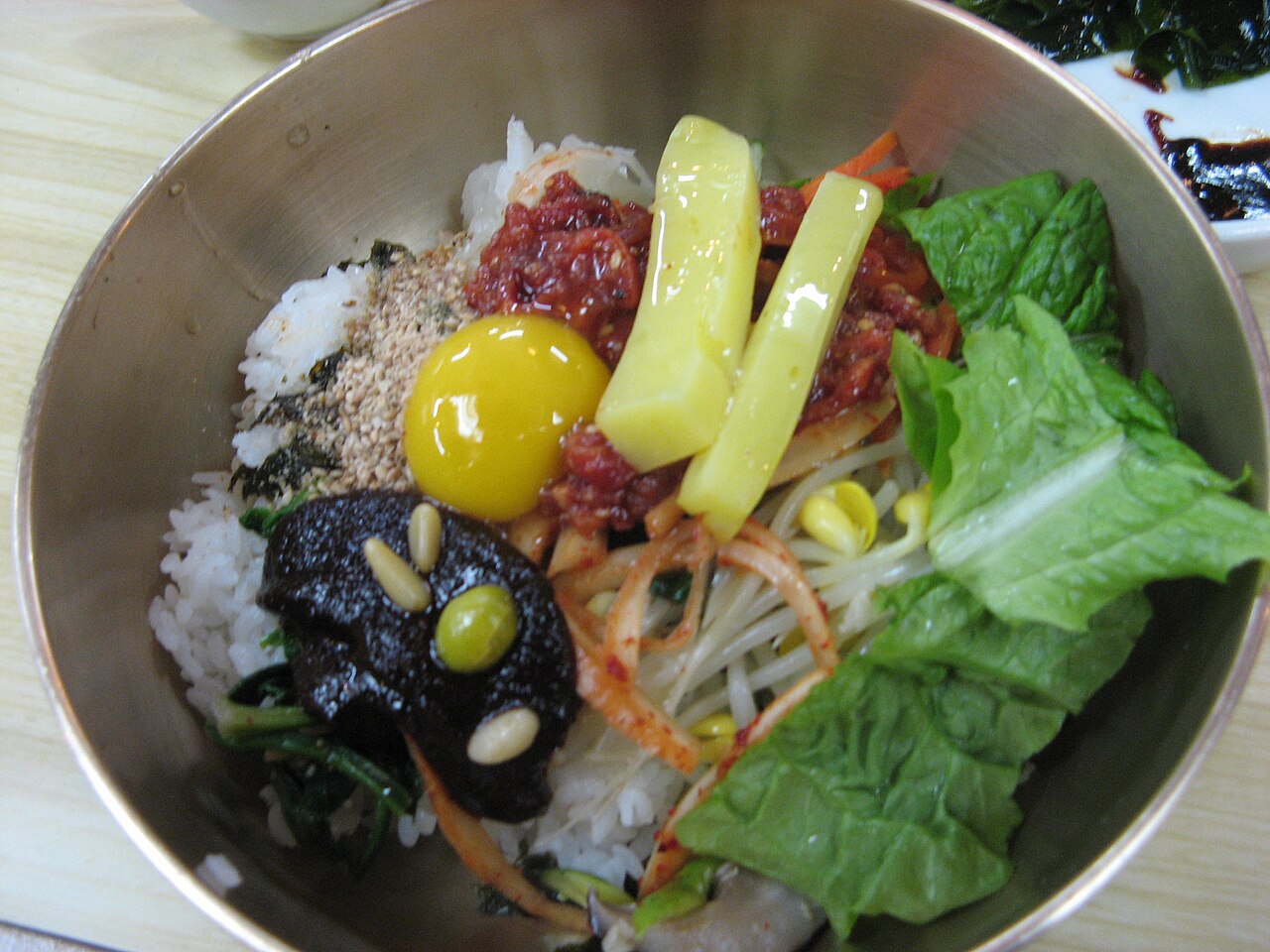
Bibimbap (비빔밥) is rice topped with seasoned vegetables, usually a fried or raw egg, and gochujang (고추장), a chili paste. Bibim (비빔) means mixed, and you stir everything together with your spoon before you eat. Beef, mushrooms and herbs are common toppings, and many places have a vegetarian version, so say so when you order if you want one.
Dolsot-bibimbap 돌솥비빔밥
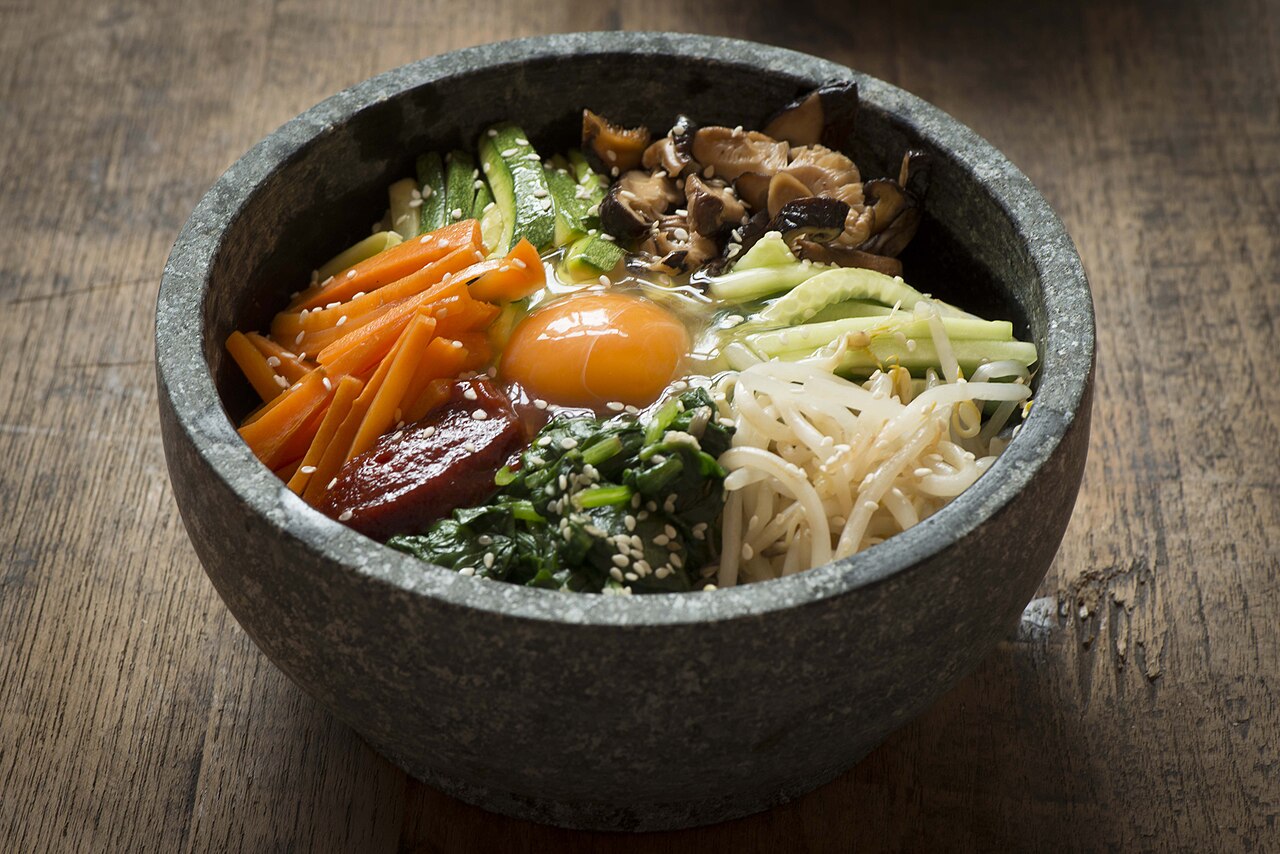
Dolsot (돌솥) means stone pot. The rice is served in a very hot bowl that crisps the bottom layer into a crust called nurungji (누룽지). Mix it quickly, or leave a spoonful of rice pressed against the bowl for a minute to toast it. Do not touch the bowl, because it is hot for a long time after it arrives.
Banchan and refills 반찬
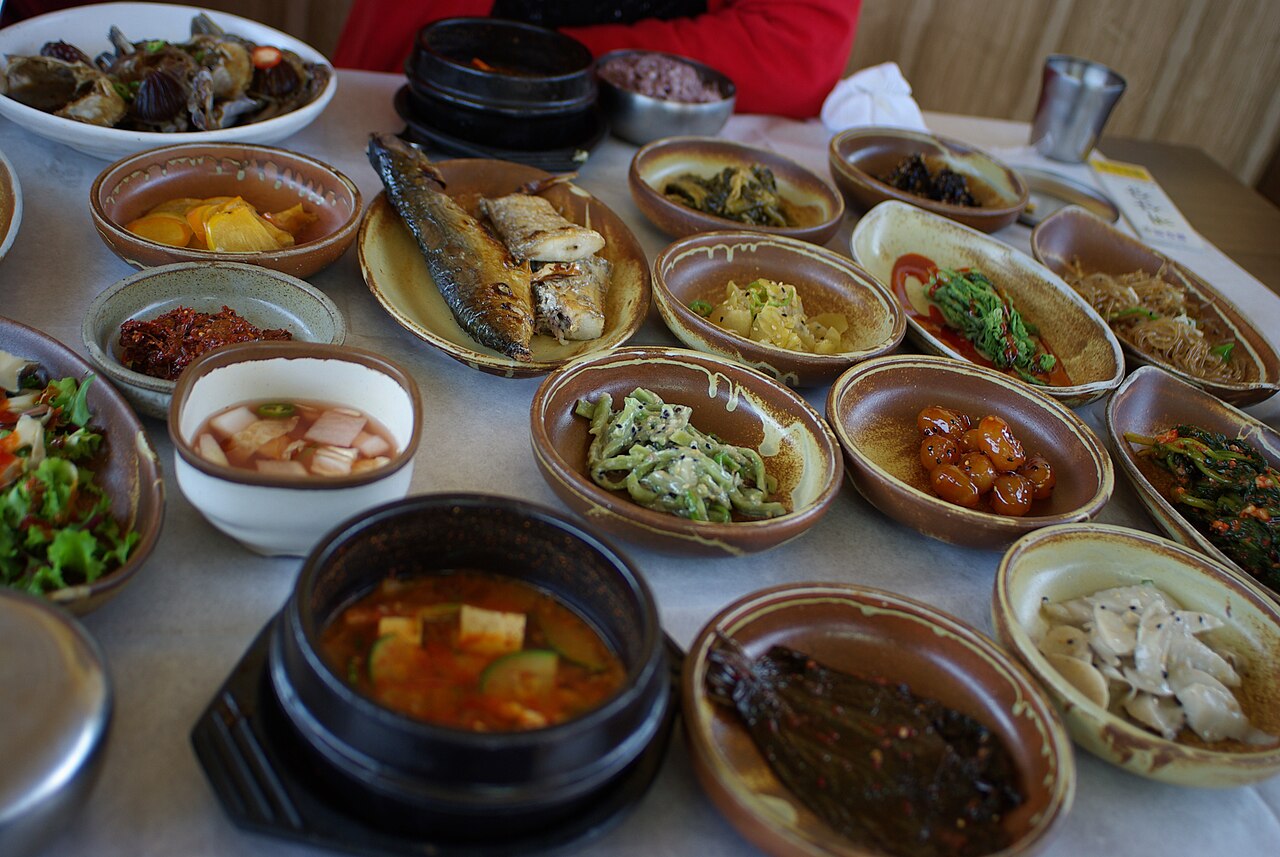
Banchan are small side dishes such as kimchi, seasoned vegetables, braised beans and pickles. They are shared on the table, and at most baekban and ssambap restaurants you can ask for more of any of them at no extra cost. Take only what you will eat, because leftovers on the plate are often thrown away.
How to eat and order
Order one set per person and pay at the counter or table. The rice, the stew and the side dishes are included. Hanjeongsik is more expensive and often needs two or more people and a booking, so check before you go.
To get more banchan, say "Jogeum deo juseyo" (조금 더 주세요, a little more, please) or wave and point at the plate. Most places refill without charge, but side dishes that are a main item, such as grilled fish or meat, may cost extra, so ask if you are not sure.
Use the spoon for rice and soup, and chopsticks for the sides. Do not stick your chopsticks upright in the rice. Eat from the shared dishes with your chopsticks, and finish your rice, since leaving a lot of it is seen as wasteful.
Average price in Seoul
₩11,923 Bibimbap, Aug 2026
Seoul average, Korea Consumer Agency, Aug 2026, for a standard serving.
Where to find it
- Hongdae 홍대 Baekban
- Insa-dong 인사동 Hanjeongsik
- Yeonnam-dong 연남동 Baekban
Photo credits
- Main photo: Juliana Ng, CC BY 2.0, Wikimedia Commons
- Baekban: Junho Jung, CC BY-SA 3.0, Wikimedia Commons
- Hanjeongsik: Richy!, CC BY-SA 2.0, Wikimedia Commons
- Ssambap: Junho Jung, CC BY-SA 3.0, Wikimedia Commons
- Bibimbap: Michael Sean Gallagher, CC BY-SA 2.0, Wikimedia Commons
- Dolsot-bibimbap: Sous Chef, CC BY 2.0, Wikimedia Commons
- Banchan and refills: egg (Hong, Yun Seon), CC BY 2.0, Wikimedia Commons